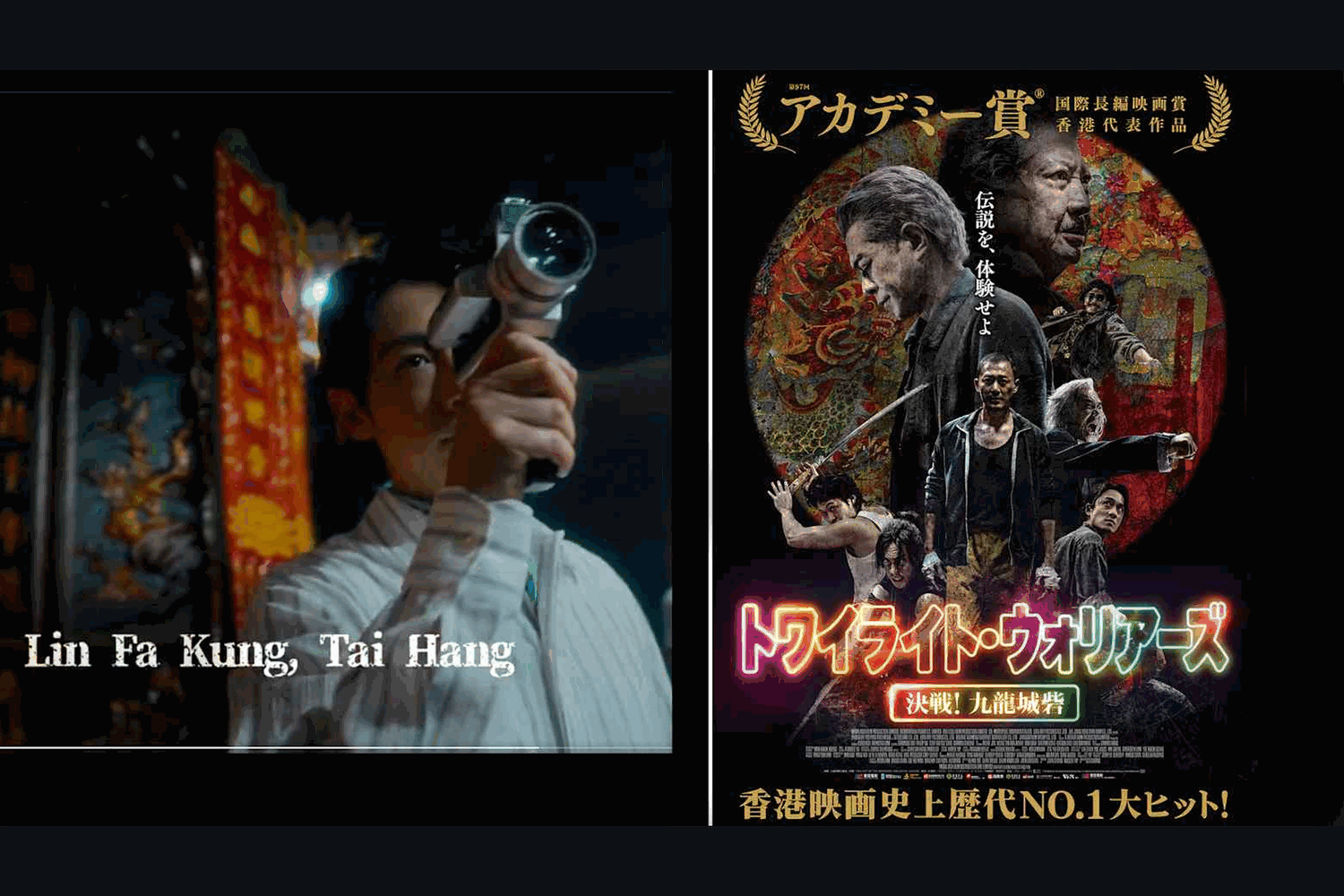
Screenshot from discoverhongkong.jp's Instagram account; Media Asia Film Production Limited, Entertaining Power Co. Limited, One Cool Film Production Limited, Lian Ray Pictures Co., Ltd
Selling Nostalgia, Hong Kong Hides Inconvenient Truth
- Published in
- Nikkei Asia
- Date
- 31 August 2025
Hit movie distracts Japanese tourists from ongoing silencing of dissent — a commentary by Alric Lee, founder of Lady Liberty Hong Kong.
The Japanese theatrical run of "Twilight of the Warriors: Walled In" — the highest-grossing Hong Kong film in Japan in five years — has rekindled a nostalgic attachment to the city among Japanese audiences. With it came a sharp rise in tourism: Japanese arrivals to Hong Kong grew more than 30% year-on-year in the first five months of 2025. This commentary, published in Nikkei Asia's opinion section, examines how that nostalgia has been absorbed into a state-managed image of normalcy.
The staged city. The Hong Kong Tourism Board has converted cinematic nostalgia into tourist appeal — Kowloon Walled City-themed exhibits, and glossy campaigns fronted by Japanese celebrities such as Dean Fujioka and Koki that frame the city as retro charm and heritage waiting to be rediscovered. The commentary reads these productions as a deliberate aesthetic: familiarity and romance pitched precisely to Japanese cultural memory.
What the postcard omits. The openness being marketed was made possible by conditions that no longer exist — the rule of law, press freedom and civil liberties now systematically dismantled. The piece marshals the record behind the brochure: an estimated 1,940 people imprisoned for political reasons since 2019; the shuttering of Apple Daily and Stand News; the June 2025 disbandment of the League of Social Democrats, the city's last active pro-democracy party; and the vanishing of public space, from the banned June 4th Victoria Park vigil to any form of protest at all.
A call to Japan. Given the deep cultural bond between the two places, the commentary argues, familiarity brings responsibility. It urges not only tourists but Japanese artists, influencers and agencies to reconsider lending celebrity appeal to Tourism Board campaigns that risk whitewashing repression — reminding a democracy with its own history of censorship and recovery not to underwrite the illusion of freedom's survival elsewhere.