Global Radio Broadcast Campaign — Glory to Hong Kong
- Project
- CAM-002
- Date
- 8–14 June 2023
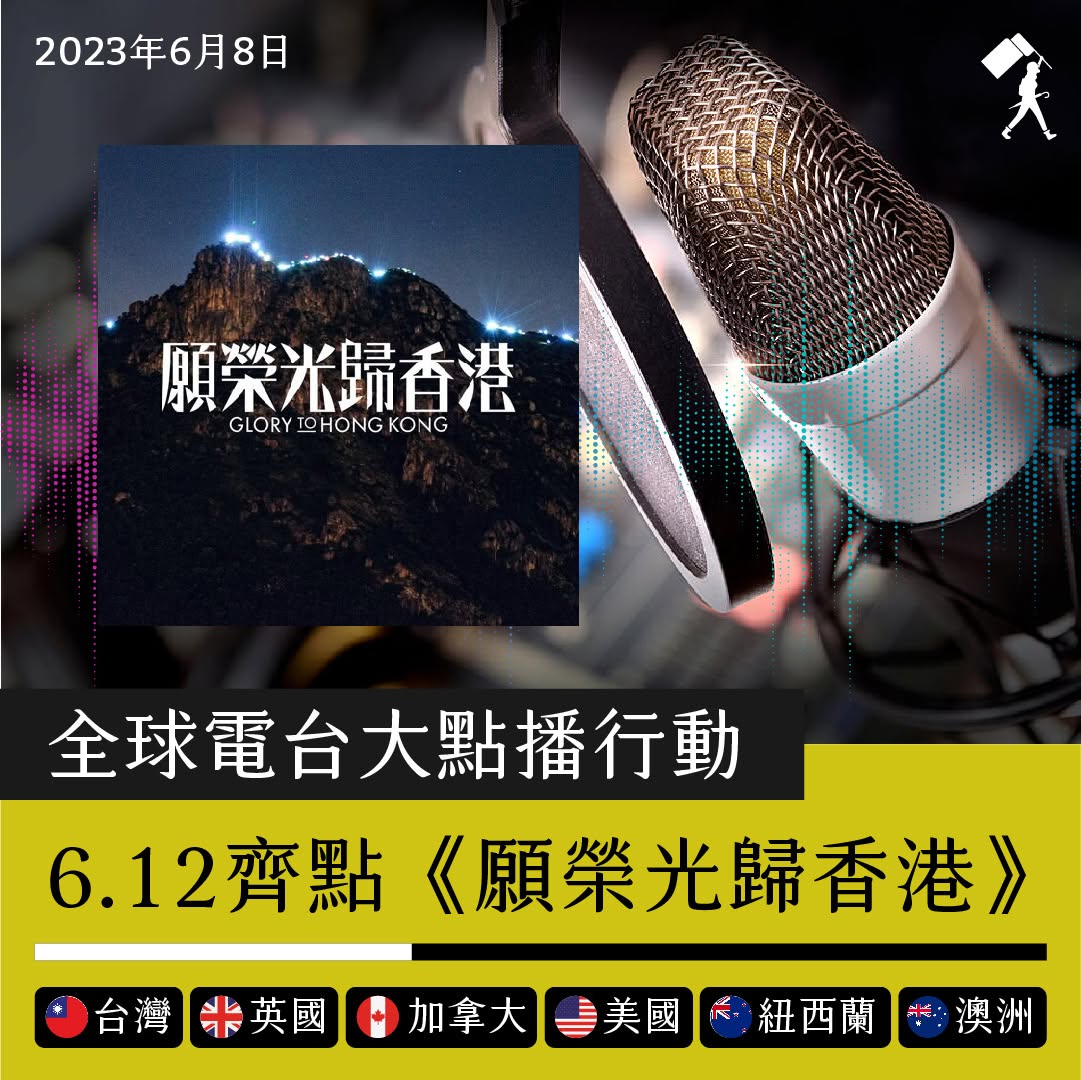
In June 2023, the Hong Kong government applied for a court injunction to prohibit the broadcast and dissemination of "Glory to Hong Kong" (願榮光歸香港) — the anthem of the 2019 protest movement. In response, Lady Liberty Hong Kong launched a coordinated global campaign: calling on Hong Kongers in diaspora to contact radio stations in their own countries and request that the song be played on air.
The aim was twofold. First, to demonstrate that no court order could silence a song that had already crossed borders — that the music belonged to the world, not to the Hong Kong government's jurisdiction. Second, to use each broadcast as an opportunity to explain Hong Kong's situation to a new audience, in a new country, in a new language.
Starting on 12 June — the fourth anniversary of the first major police crackdown of the 2019 movement — participants across Taiwan, the United Kingdom, Canada, the United States, New Zealand, Australia, France, Denmark, and Estonia contacted radio programmes, submitted requests online, sent emails, and messaged hosts directly.
The campaign produced confirmed broadcasts on:
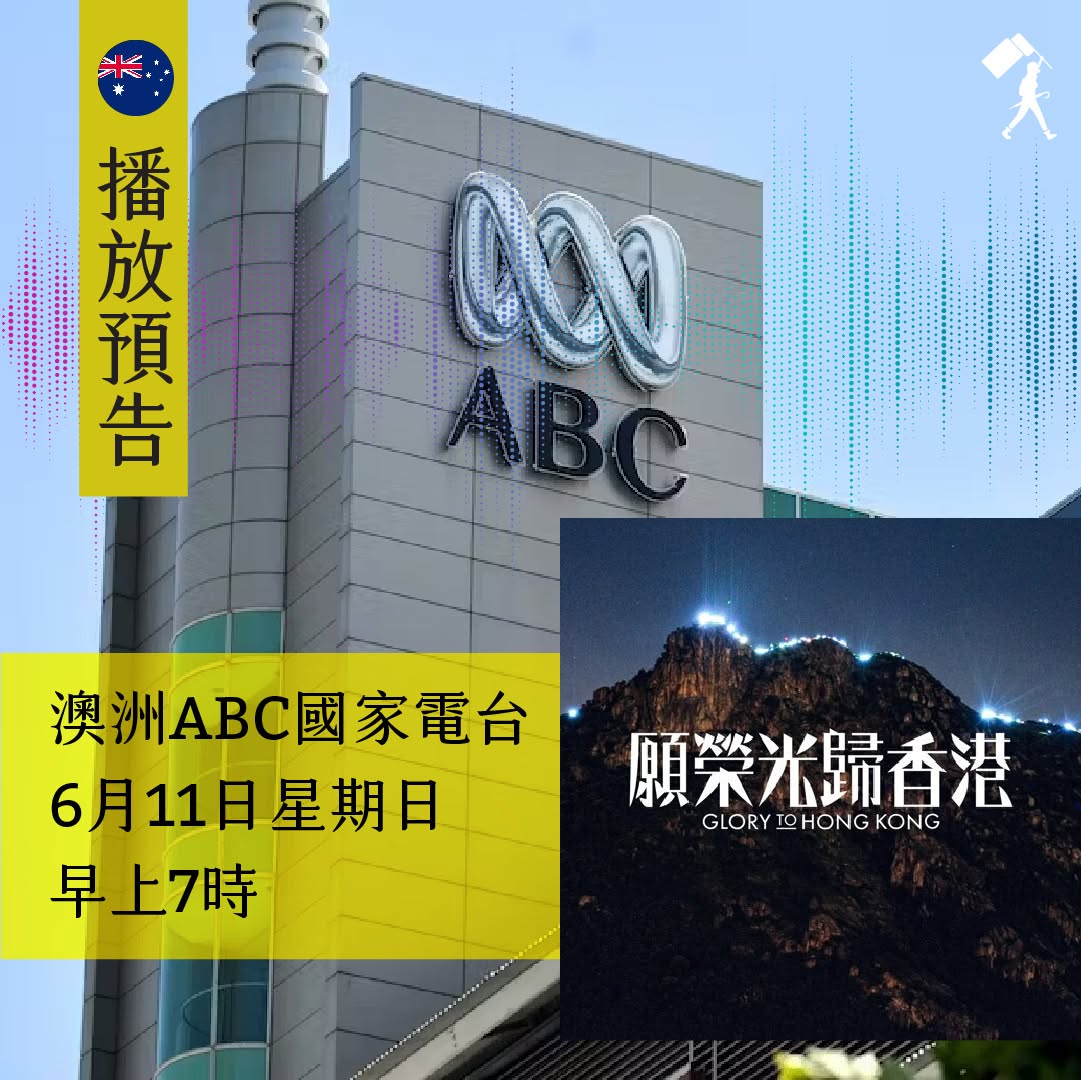
Australia — ABC National Radio, Sunday 11 June, 7:00 am
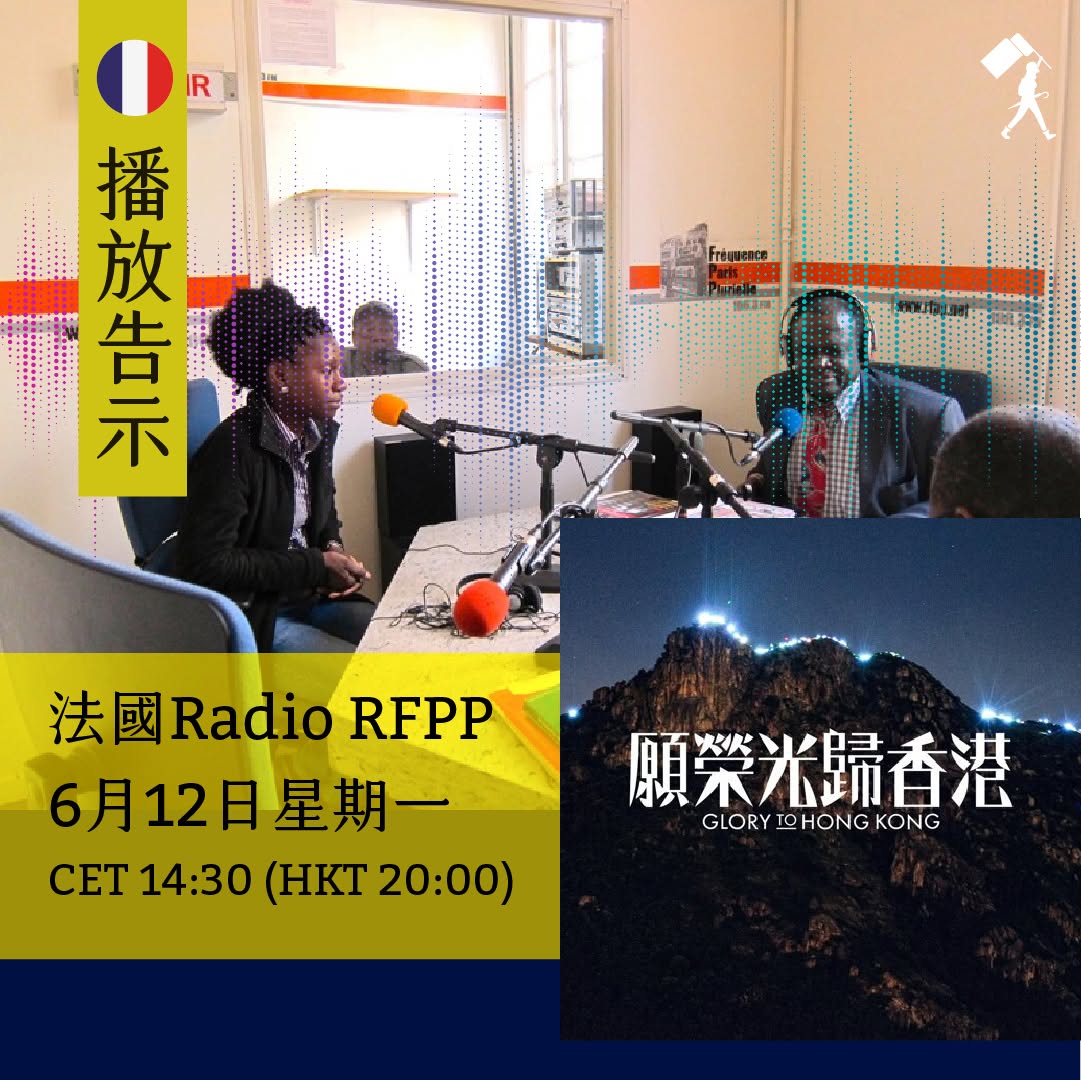
France — Radio RFPP (Fréquence Paris Plurielle), Monday 12 June, CET 14:30 (HKT 20:00)
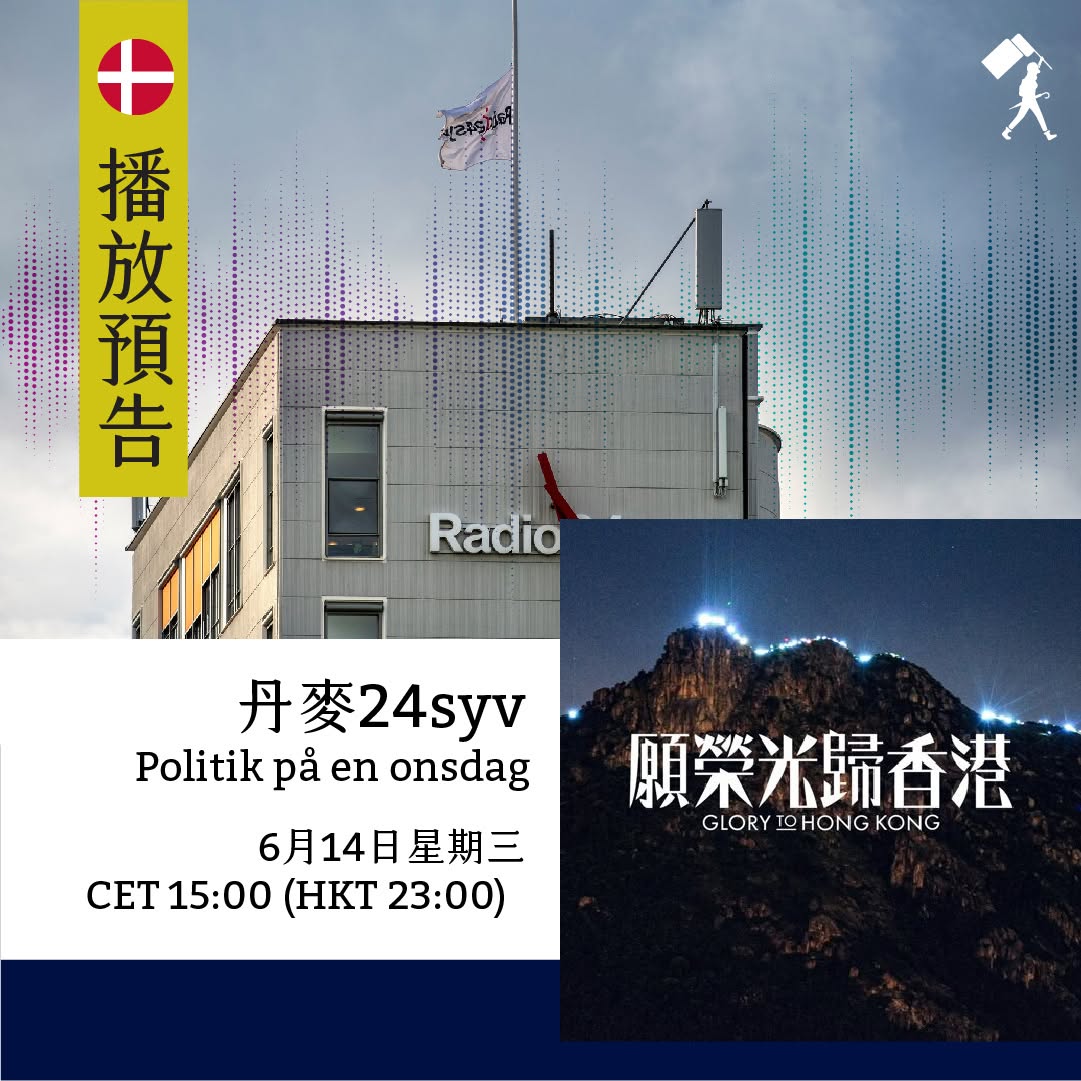
Denmark — Radio 24syv, Politik på en onsdag, Wednesday 14 June, CET 15:00 (HKT 23:00)
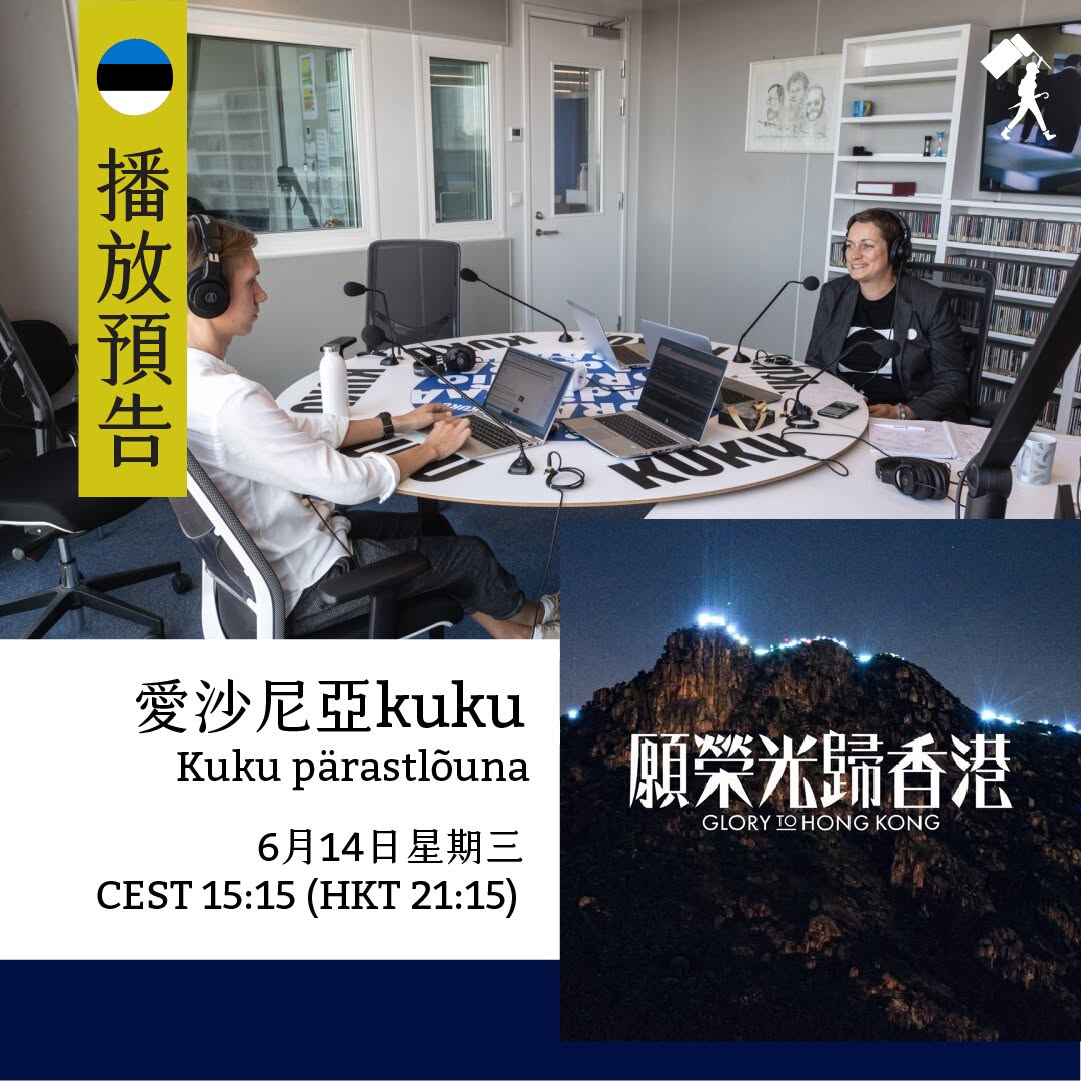
Estonia — Kuku Radio, Kuku pärastlõuna, Wednesday 14 June, CEST 15:15 (HKT 21:15)
Lady Liberty Hong Kong provided participants with a template email in English, a list of radio stations and their request methods by country, and guidance on how to introduce the song's context to hosts who might be unfamiliar with Hong Kong's situation. The campaign drew on the principle that what a government bans at home it cannot ban everywhere — and that the diaspora's distributed presence across dozens of countries is itself a form of political reach.