Chronicle of National Mourning — Creating the 3D Pillar of Shame
- Date
- 8 November 2021
The Pillar of Shame is a sculpture by Danish artist Jens Galschiøt, installed at the University of Hong Kong in 1997 to commemorate the victims of the Tiananmen Square massacre on 4 June 1989. For over two decades it stood on campus as one of the last remaining public memorials to the massacre in Chinese territory — a fixture of Hong Kong's civic identity, and a site of annual mourning.
After the National Security Law came into force in June 2020, the space for commemorating June 4 in Hong Kong collapsed rapidly. The Hong Kong Alliance in Support of Patriotic Democratic Movements of China, which had organised the annual candlelight vigil in Victoria Park for over thirty years, was forcibly disbanded in September 2021 and its leaders arrested. Universities came under pressure to remove June 4 memorials from their campuses. One by one, sculptures and plaques that had stood for decades were taken down — a deliberate, city-wide effort to erase all physical traces of the date from public life. HKU's Pillar of Shame was among the last to go, removed on 23 December 2021.
After learning that HKU intended to remove it, Lady Liberty HK immediately set out to preserve the sculpture digitally — to nullify the repressive methods of the Hong Kong authorities and create resources that empower people to speak out.
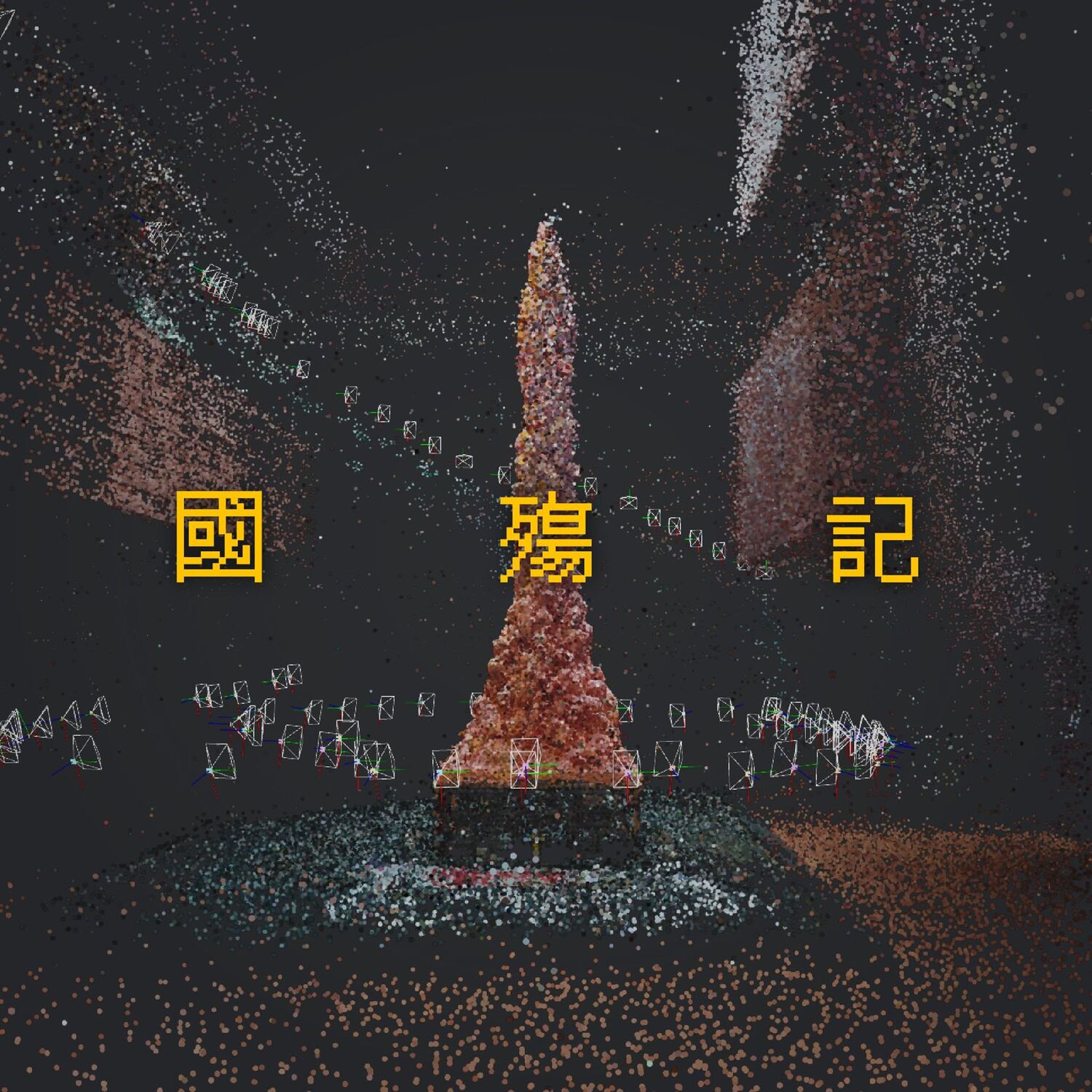
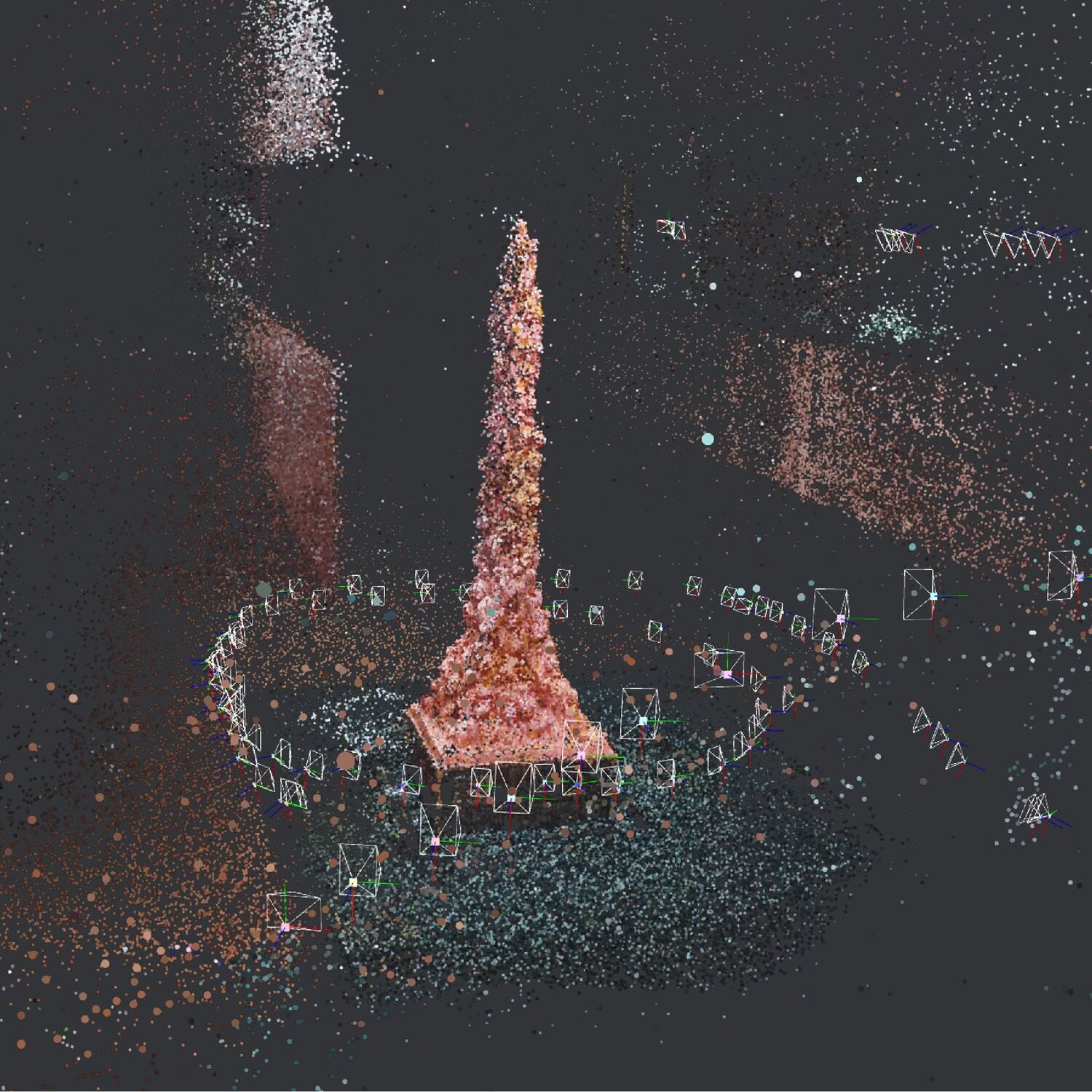
Initially, the team considered using 3D scanning or photogrammetry to capture the Pillar of Shame. Compared to a dedicated 3D scanner, cameras are accessible to everyone and easier to blend in among ordinary visitors photographing near the sculpture. After weighing factors such as equipment, manpower, and operational security, photogrammetry was chosen.
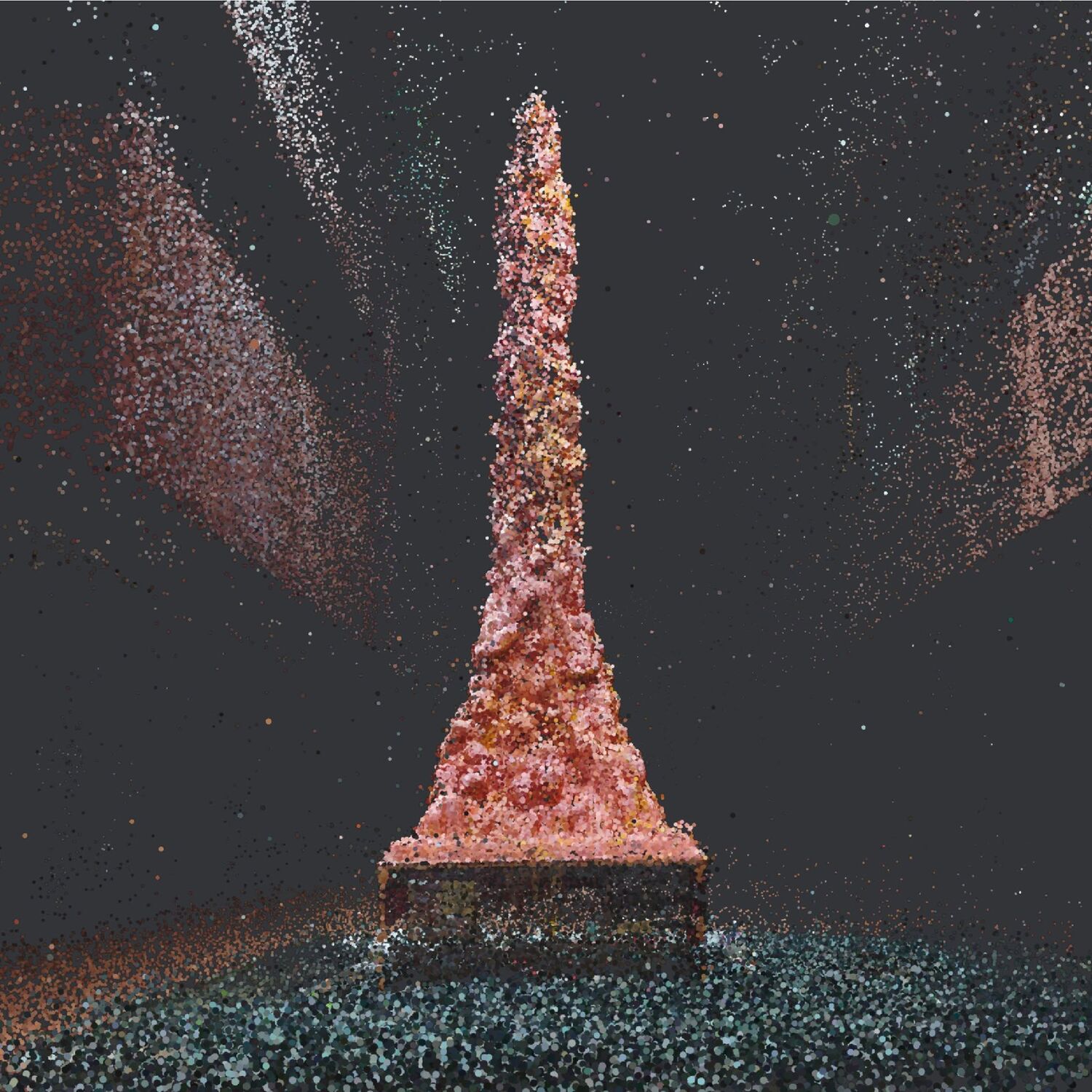
Photogrammetry is a technique that uses software to identify patterns in flat images and reconstruct three-dimensional objects or spaces — in plain terms: feed photos and video into a program and let the computer piece the object back together. The process requires a large number of images; any gaps result in an incomplete 3D model. Light and color variations must also be carefully managed to reduce error. Depending on the number of images used, generating a single 3D model can take two to eight hours, and multiple test models must be produced after each shoot. Patience and time are indispensable.
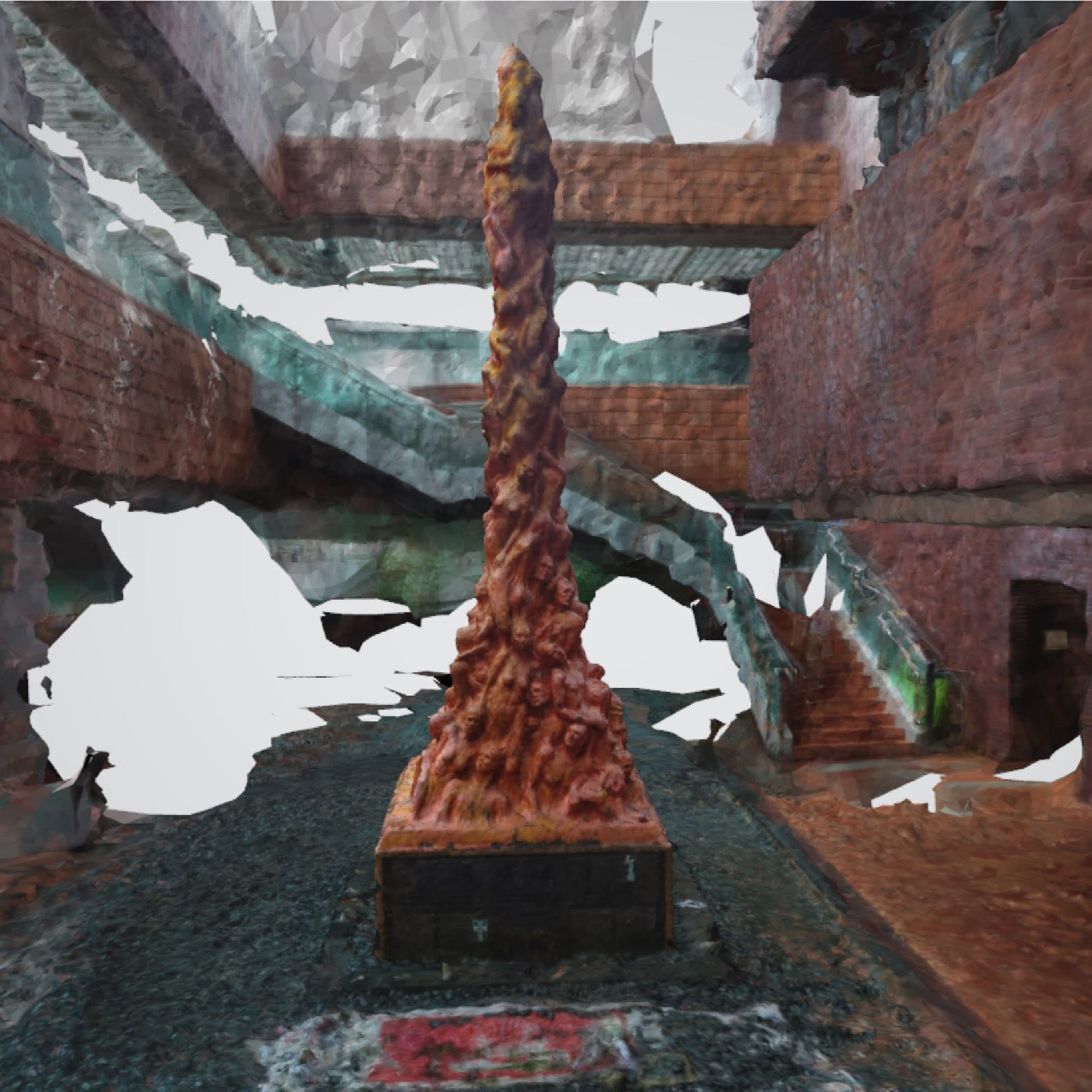
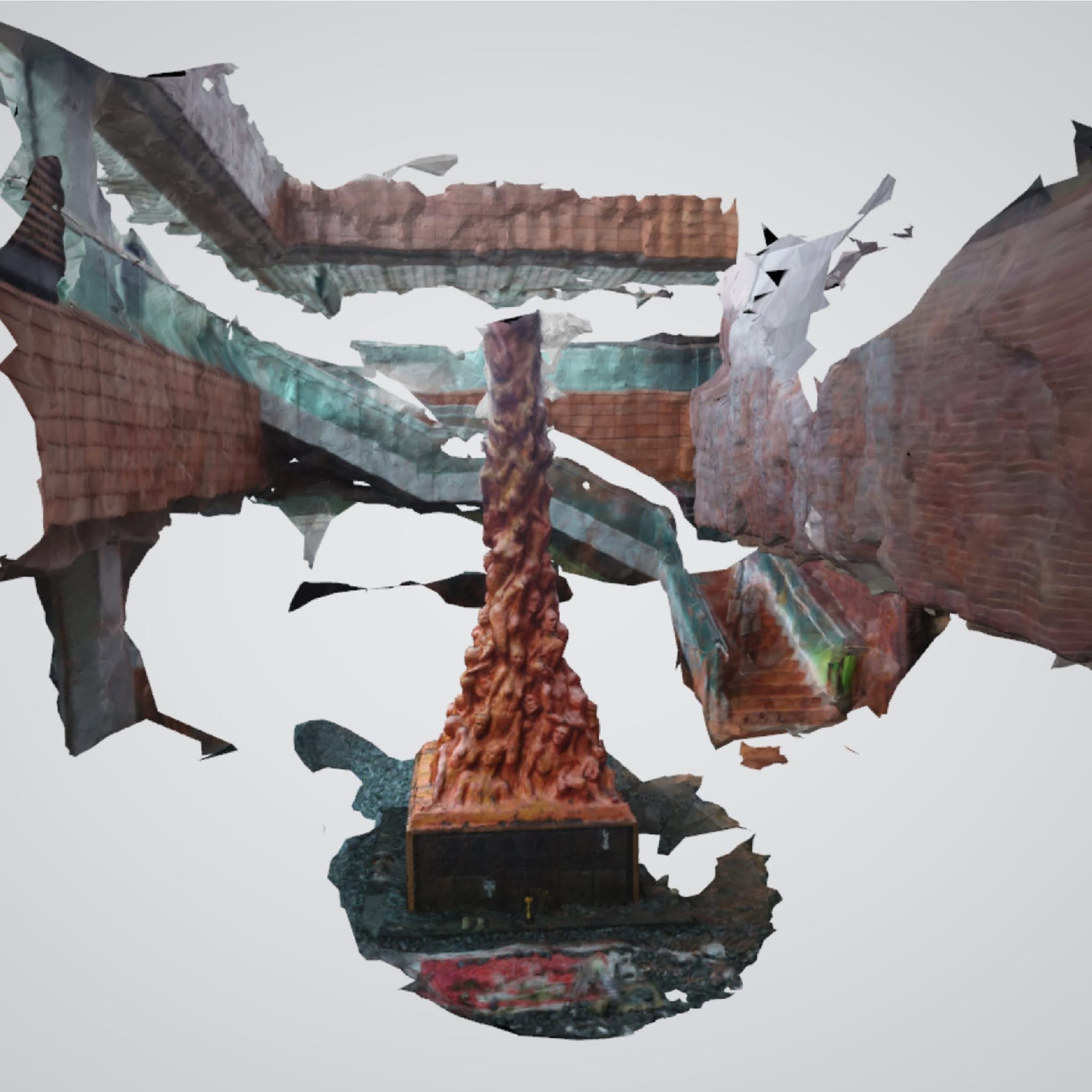
The Pillar of Shame stands nearly seven metres tall. Due to the surrounding terrain and buildings, multiple on-site shoots failed to capture the sculpture in full. In the end, a drone was deployed to fly in from outside HKU and photograph angles invisible to pedestrians at ground level. Security personnel gave chase — but the drone was beyond their reach.
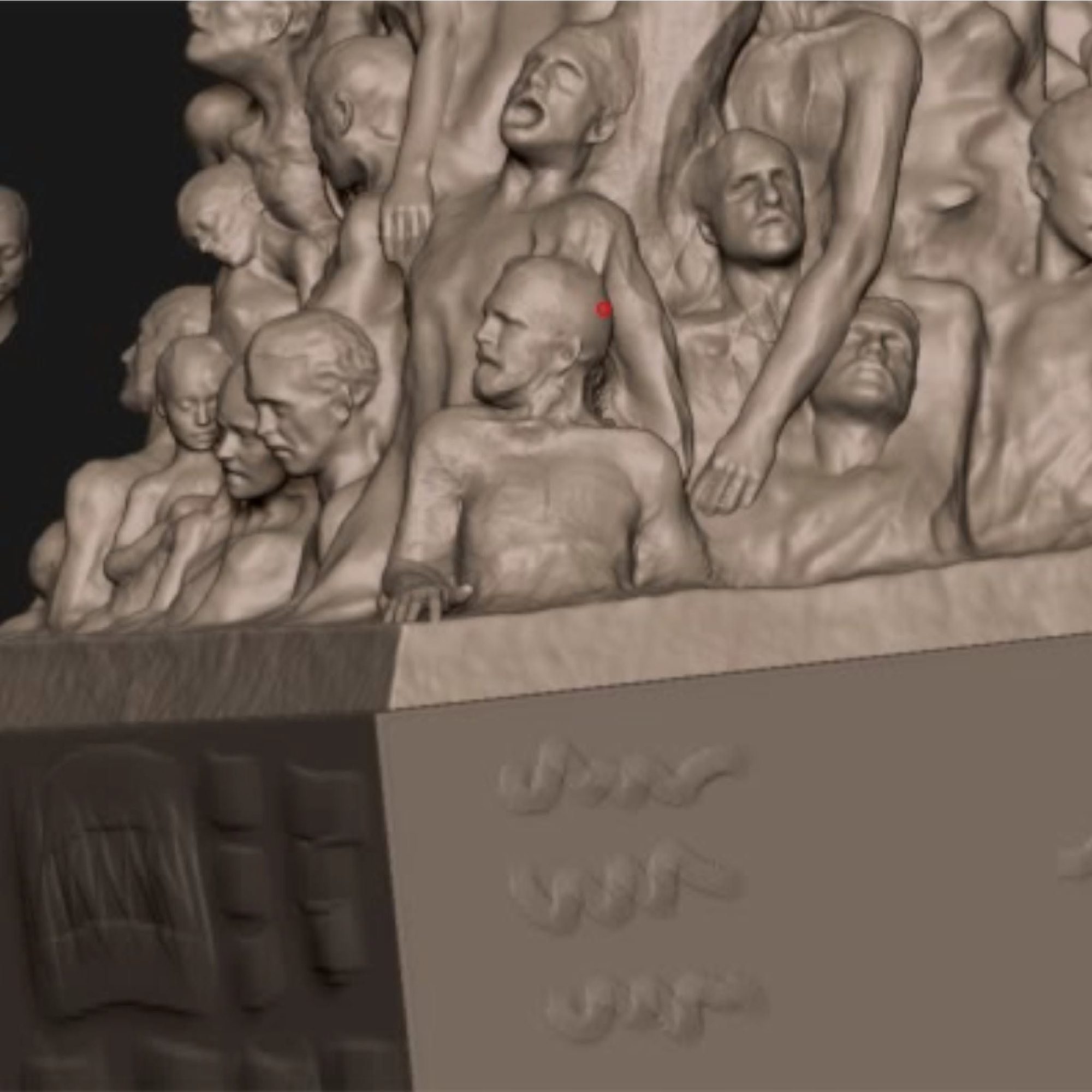
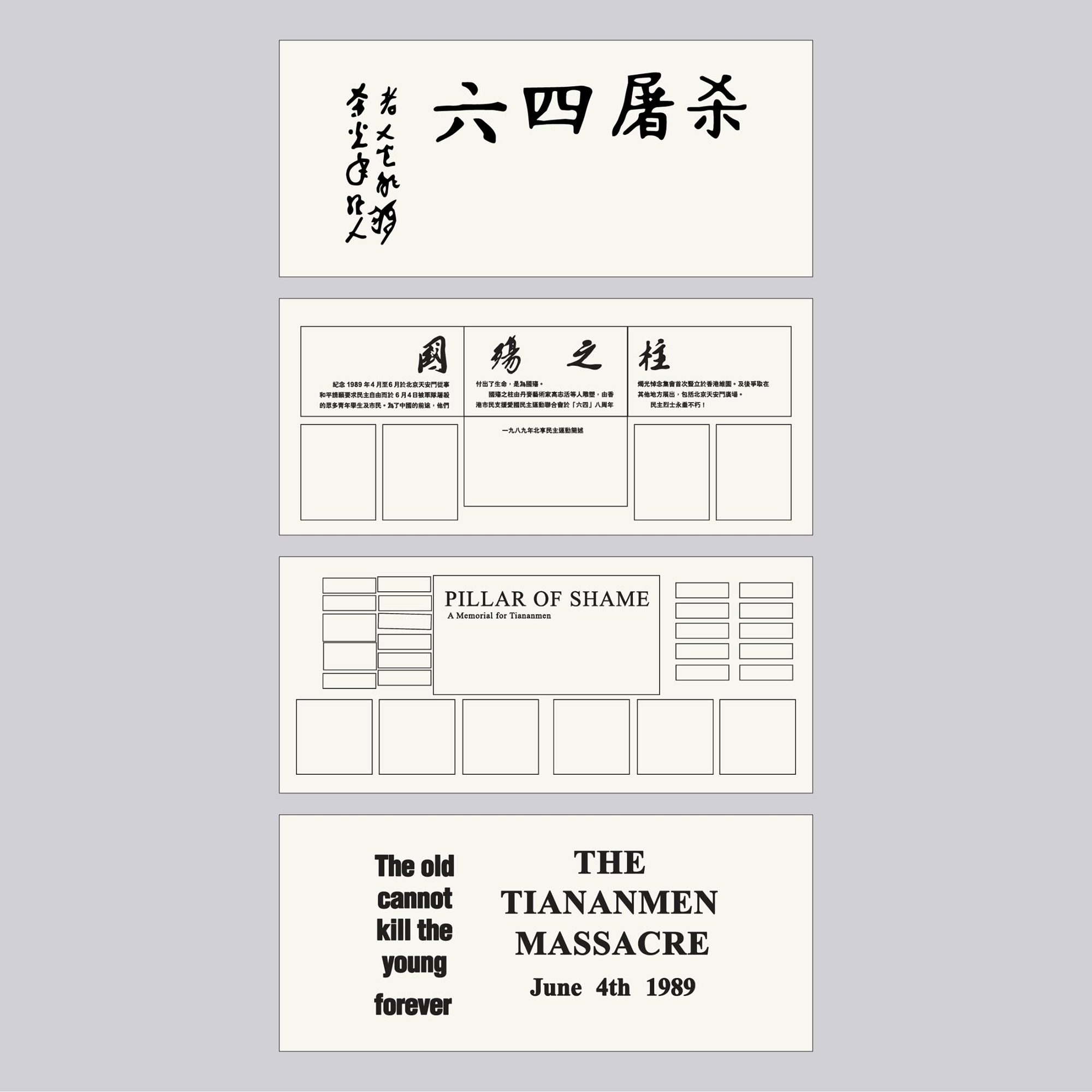
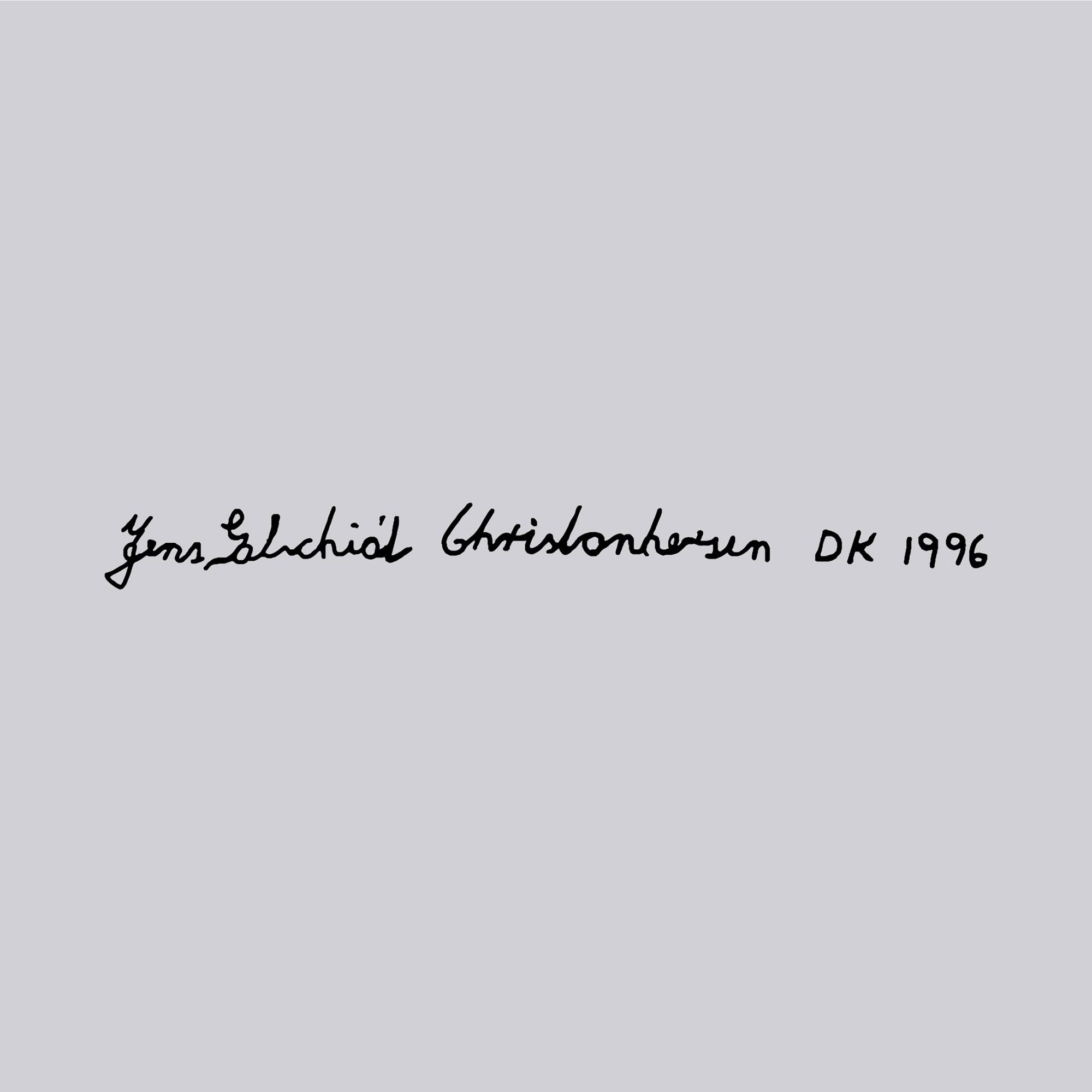
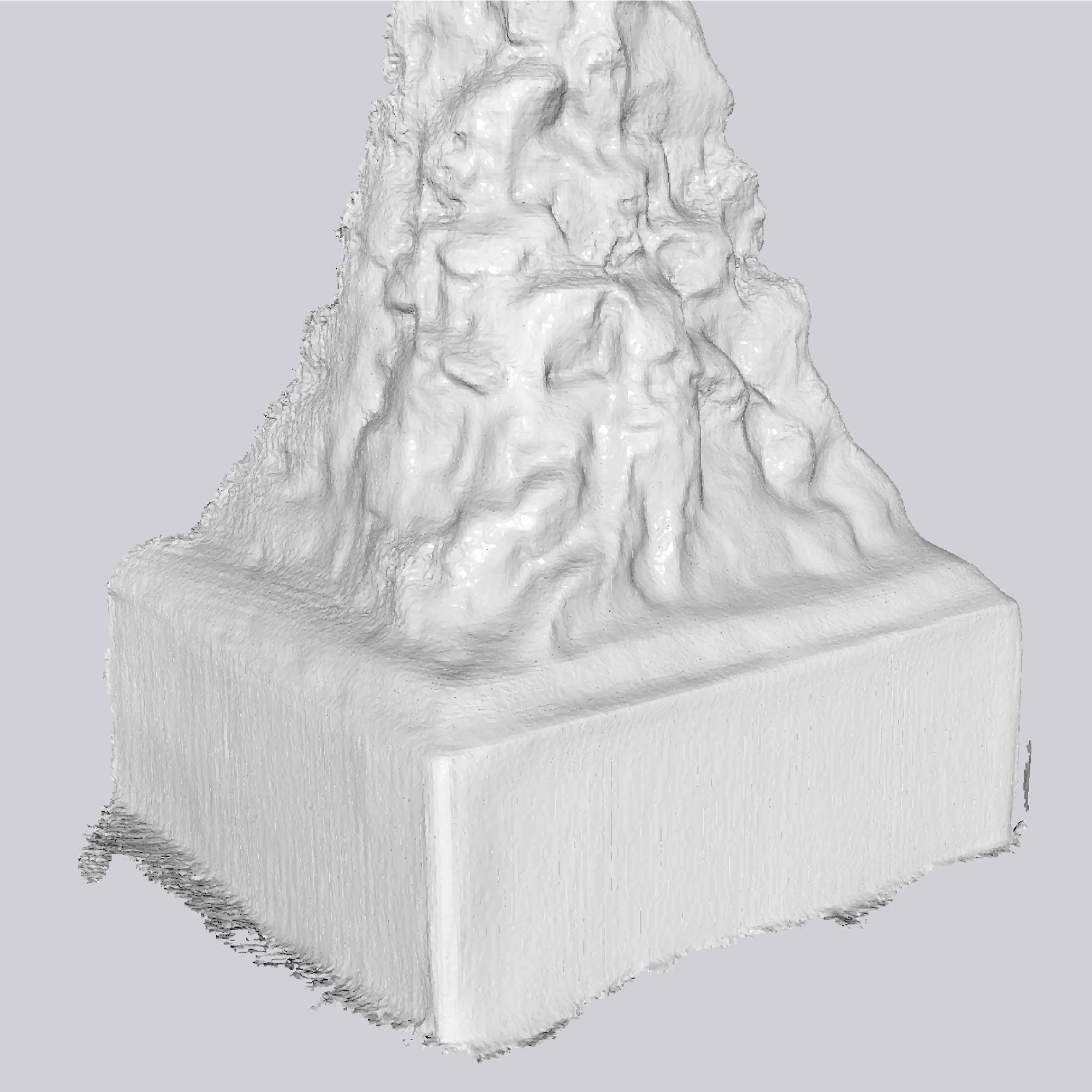
After dozens of attempts, the team finally produced a complete 3D model, though the surface remained uneven and lacked fine detail. To preserve the sculpture's details as faithfully as possible, the inscriptions on all four sides of the base, as well as Jens Galschiøt's signature, were digitized. The faces, postures, muscle textures, and coloring of the 50 figures on the pillar were then painstakingly reconstructed from reference photographs.
After test-printing the file to correct errors, and after several weeks of work, over a hundred photos and videos, and countless late nights — the complete 3D model was finished.
The 3D file was uploaded to Thingiverse for public download. In the years since its release in November 2021, it has recorded over 4,000 downloads — and prints of the Pillar of Shame in various sizes can now be found all over the world.
Download the 3D modelThingiverse · STL · over 4,000 downloads↗