司令漂流記 (Commander's Drifting Chronicles)
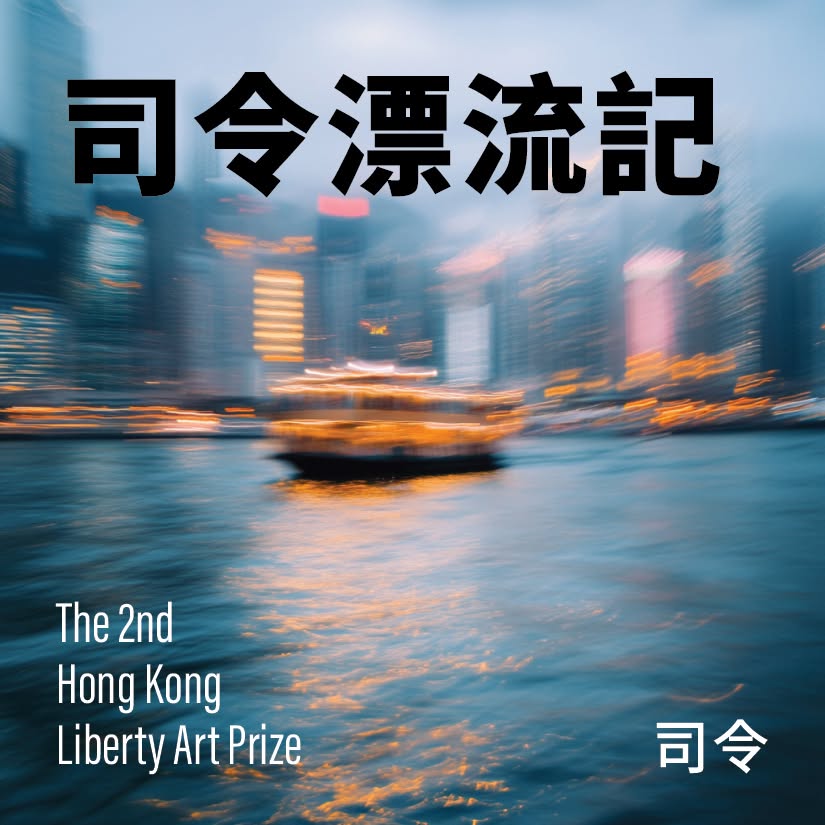
- Artist
- 司令
- Artwork Title
- 司令漂流記 (Commander's Drifting Chronicles)
- Medium
- Essay
- Creation Year
- 2024
- Award
- Category Jury Prize
Description
Foreword: Commander's Drifting Chronicles takes Forrest Gump as its blueprint, using the author's own life growing up and living in Hong Kong as the story's backbone, set against different eras of Hong Kong society. From the first chapter it has been published on the author's personal social media, originally written for friends to read—to encourage people to leave Hong Kong—though it garnered no attention and had zero impact. The Communist Party wants to eradicate our language, and through it eradicate us. A single essay cannot resist totalitarian power, but I believe that the accumulation of many grains of sand can build a tower. Hongkongers, keep fighting!
Creation dates: 2022–2024
Original Work (原文)
作者: 司令
標題: 《司令漂流記》
類別: 短文
前言:司令漂流記其實係以電影阿甘正傳作為藍本,用本人響香港成長及生活點滴作為故事主幹,配以不同年代嘅香港社會作為背景。由第一回開始一直於本人個人社交媒體發表,目的係寫俾朋友睇,鼓勵人離開香港,不過一直冇人睇,全無影響力。共產黨想消滅我哋嘅語言,進而消滅我哋,我一篇文絕對唔可以對抗極權,不過我相信聚沙成塔可以!香港人加油!
創作日期:2022年-2024年
一、尋根,漂流
開咗香港一年,寫啲嘢記錄一下人生嘅旅程,咁啱呢期興「方丈尋根記」, 唔係話斗膽搵方丈嚟比較,只係橫掂二創係我本行咁就唔爭在參考埋文字啦!
咁要改自己花名我就用「司令」呢個朵。關於個花名都差唔多成10年前,源於一套朋友拍嘅片,已經過晒時,冇乜嘢再好再詳細講啦,我反而想講吓果位對我人生都幾有影響嘅朋友,條片嘅導演 Ben。話說我哋就讀同一間小學,嗰陣成日上佢屋企打機,又一齊睇公仔書,志趣相投,好friend嗰隻。升中之後各奔前程,都有一輪冇聯絡,唔記得咗幾時開始佢成日捉我一齊去睇戲,再大少少就一齊出去夜蒲,讀完大學嗰排興玩「戰略高手」, 又成日出去打機打到屋企都唔返,呢條友正一損友不過我相信有好多人人生裏面最好嘅朋友s都係損友嚟嘅我曾經深信仲有keep住聯絡嘅小學同學會係永遠嘅朋友,不過響我做咗老竇之後就真係好少聯絡,仲要越來越少,整整吓一年都見唔到一兩次。Well,人生有唔同階段,呢啲嘢好正常,但係呢位仁兄Ben呢,就真係以一個非常別開生面嘅形式離開咗我嘅世界。放心佢唔係死咗,佢只係某年某月某日突然潛咗水,之後冇再蒲過頭,電話唔聽, message又唔覆,只係能夠從唔同朋友嘅渠道知道佢未死。Anyway啦,總之知道個人冇事就得啦。講多一個關於Ben嘅小故事。話說響中學年代,佢響樓下巴士站搭車返學校嘅時間成日都會撞到一條女同佢唱散紙。我哋之間5用嚟代表條女嘅暗語就係散紙妹。唔知係咪呢一個經歷啦,佢就好鍾意「早班火車」 呢隻歌,上車含情脈脈咁樣𥄫實條女,好想識佢,但係又心如鹿撞唔敢上,成個情景fit晒!小故事去到呢度就完,佢同散紙妹完全冇下文,持續咗一段好長嘅時間佢都唔敢上,為咗呢件事我成日都鬧佢,呢啲接近AV開場嘅情節我等咗一世都未等到。
咁咁小事又有乜好寫呢?其實同身邊嘅好朋友分道揚鑣我真係好感慨,仲要唔係單止佢一個,可以話出走英倫令我同我身邊最好嘅朋友們完全割裂咗,當中有政治上嘅分歧,亦都有對去留唔同嘅睇法。再過幾年我就五張嘢,回憶返當日認真討論條女搵你唱散紙「點算呀點算呀」真係恍如隔世。歲月催人,年紀大咗,我見到好多人大大吓忘記咗自己係邊個,我唔係要求人人出於污泥而不染,而且每一個人響社會裏面嘅經歷都截然不同,奢求不忘初心根本離曬地。但係至少,人唔應該連善惡都唔識分吓話?
二、對你嚟講香港係乜嘢?
近聽一個講座問到「對你嚟講香港係乜嘢」,果張slide show咗幾張相,其中包括奶茶同埋菠蘿油,用呢啲嘢代表香港我不能同意更多,不過我另外會再加多一樣小食:龍鬚糖。唔知大家對旺角西洋菜街一座唐樓門口果檔龍鬚糖有冇印象?我細細個就係住喺嗰度,而賣龍鬚糖嘅阿伯睇住我大,亦都請我食唔少龍鬚糖。當被問到我對香港嘅印象,我就諗起龍鬚糖阿伯,7雖然回憶起上嚟佢姓甚名誰都唔知,阿爸阿媽都淨係叫佢龍鬚糖,仲講到好似好熟咁,真係慚愧!我嘗試上網搵,希望可以搵到一啲佢嘅相,或者呢個都幾iconic嘅人可能有接受過一啲訪問呢?可惜搵唔到,因為佢已經唔喺度啦,接受訪問嗰個係佢老婆。不過我對佢屋企人完全冇印象,應該從來都冇見過,所以對篇嘢都冇乜感覺。
對於呢位icon本尊我就好有印象,可惜我冇能力單憑印象將人象畫出嚟,只係可以大約畫個輪廓。印象中佢一定着淺色衫,同埋有條圍裙仔,因為整龍鬚糖會整到佢成身麵粉。我有全程觀察過龍鬚糖嘅製作過程,佢將一舊硬嘅糖,徒手撚到變軟,之後會攞一條木錐响舊糖中間轉過窿,然後拉下拉下將舊糖變成絲,好多時呢個拉糖嘅動作會引來好多人圍觀,而呢幢唐樓嘅住客都好習慣叫班圍觀嘅人借歪俾我哋出入。下次再講另一個對香港嘅印象
三、旺角中僑國貨
次講完龍鬚糖,今次講吓對香港另一個印象,旺角中僑國貨。我住果幢大廈除咗樓下有檔龍鬚糖之外,屋企對面嗰條馬路仲有中僑國貨。
中僑國貨地底嗰層好似supermarket咁,賣嘢食嘅。印象中阿爸阿媽叫我去買午餐肉或者豆豉靚魚,就係要去中僑買。由地面嗰層掃上去到第二高嗰層,全部都係垃圾,只有最高層嗰度有啲文具同埋中樂樂器賣。咁9所以除咗地底嗰層supermarket之外,我淨係會上頂層嗰度買文具(最老土嗰啲文房四寶)、白飯魚、乒乓波板、或者喺度搞下人哋啲中樂樂器。另一個對中僑個印象就係佢嗰塊好光好掁眼嘅廣告牌,基本上夜晚唔開燈都可以,因為成間屋都好光。如果冇記錯深夜時間會閂燈?因為我都有印象深夜時間間屋會好黑。
基本上呢間老土國貨公司都算係陪伴住我成長,雖然我對佢冇乜感情,但係到佢執笠果一刻都令我幾愕然,原來個世界啲嘢唔係永恆嘅,唔係永遠響你身邊垂手可得,就好似香港嘅自由同埋價值觀一樣,好脆弱、好容易被極權奪去。
四、美而亷
來冇諗過寫呢個香港印象,美而亷餐廳,大家話當年提起,咁又加埋呢一篇落去啦!
其實旺角西洋菜街除咗樓下有龍鬚糖,對面有中僑國貨,行出唐樓嘅右手邊有間好大嘅美而廉餐廳。印象中間餐廳門口右手邊有個面向大街嘅櫥窗蛋糕,當然啲蛋糕響餐廳入邊堂食又得,響櫥窗外賣又得,呢個layout都仲未算懷舊。更加懷舊嘅係,呢間美而廉係有兩層嘅,行入門口有半層好高樓底嘅大廳,左手邊就係樓梯上上11層,上層雅座只有半層,呢種懷舊layout都幾經典,旺角啲舊扒房執下執下唔知而家仲有冇保留呢啲古董。食物方面完全冇記憶,不過屋企人提起嗰時我哋鍾意餐包查完牛油之後加啲砂糖落去,咁邪惡嘅嘢小朋友最鍾意,而其實佢唔提起我已經唔記得咗呢種咁邪惡嘅食法另外呢間美而廉仲有一個好特別嘅人,係一個啞佬嚟嘅,點解我咁記得佢呢?因為呢條啞佬會同我老竇「傾偈」,啞嘅又點傾呢?盲嘅都可以偷睇國家機密囉,啞嘅點解唔傾得啊?唔係唔係⋯其實佢係會同我老竇盡量用身體語言表達佢想講嘅嘢,講唔掂會寫紙仔,而我一直都唔明點解我老竇會咁好耐性同佢溝通,今日寫完呢篇嘢我會再問吓佢
五、我阿嫲
頭一轉,暫時唔講香港。
細個有一段時間漂流到澳門跟阿嫲住,大概係因為阿爸阿媽太忙唔得閒湊細路。老老實實我係一個好黐阿媽嘅小朋友,我就唔係咁鍾意住澳門啦,不過阿嫲同澳門的確係我成長嘅一個重要組成部份。我好有印象我細個跟我阿媽經澳門關過大陸買餸喎!咁有印象係關於兩件事嘅:第一件事,呀嫲響街邊魚檔買嘢講價,講唔掂轉身就走,賣魚佬拎住個膠兜同幾條魚追番上嚟,比着你就梗係以為自己贏晒俾錢走人啦,但係我阿嫲冇比勝利沖昏頭腦,佢數下有幾多條魚,發現少咗一條,最後都係冇買。我好驚訝呢個世界上有人賣嘢咁狡猾,而更驚訝嘅係,我呀嫲原來好醒!第二件事,係關於我嘅衰嘢。話說我係一個好鍾意扭計嘅小朋友,同阿嫲買餸見到街邊有雪糕賣,就扭計話要買。呀嫲話嗰啲雪糕唔好食㗎,唔買!我唔信!死都要買!呢個時候呀嫲開出一個條件:買咗唔好食你都要同我食晒佢。我心諗你都戇Q嘅!呢個世界邊有雪糕唔好食㗎 ?結果?難 · 食 · 到 · 嘔 畀個咁大嘅教訓我,你話佢幾識教細路呢?
六、打土豪分田地
回講到佢係一個智慧老人,又係好識得教細路(對付我),今回就講吓佢親口話俾我聽嘅家族血淚史。其實我同呀嫲相處嘅時間唔係好耐,小學中段已經返咗香港讀書,之後都係兩三年返澳門過新年嗰啲時間會見吓佢。已經唔記得係邊一次返澳門,我已經係一個成年人,大約係讀緊大學期間?都唔記得同佢傾開乜嘢話題,但係傾吓傾吓佢就話俾我聽其實我阿爺屋企係中山大地主,幾個山頭全部都屬於我哋15嘅,我爸爸細個嘅時候有幾個工人服侍⋯我真係好震驚,因為我響我老竇口中得知、又或者我親眼所見,我屋企從來都唔有錢,甚至係幾窮,咁好嘞,點解會搞成咁嘅呢?點解由細到大你都冇同我講過呢啲嘢嘅?唔記得咗佢有冇答過我第二個問題,不過第一題嘅答案如下。時間真係已經好久遠,我唔記得呀嫲exactly用乜嘢wording答我,大約佢係話我哋係比共產黨抄家嘅,我阿爺係大地主家族裏面嘅14少爺,佢好多兄弟都走唔甩死於批鬥。另外我記得嘅一啲零碎片段,譬如跪玻璃跪到成地血、仲有喺啲屍體當中份死,到夜晚先知推開疊響自己身上面嘅屍體逃亡。不過我相信果啲零碎片段唔係屬於我阿嫲或者阿爺嘅親身經歷,佢哋應該係冇穿冇爛走甩咗嗰隻,不過啲家產就俾人共晒,逃亡到澳門做窮鬼。而呀14少亦都不事生產,所以我老竇童年時期好窮,直到佢哋幾兄弟都出晒身,屋企環境先至開始改善。雖然印象中阿嫲冇用過「打土豪分田地」呢啲術語,不過最近呢幾年聽得網台多,對中國近代史加深左認識,開始覺得呀中山大地主舐嗰次嘢應該就係打土豪分田地啦。當年14少逃過一刧,今日輪到我孫少爺逃難到英倫,爺孫隔代受到同一個邪惡政權共產同迫害,你話歷史係咪不斷重複?既然對上果次有跡可尋,咁你覺得之後嗰幾年甚至10年20年終国又會向邊個方向走?香港冇咗英國人罩會點樣被攬炒?我冇答案,亦都唱唔出明天會更好,只係希望惡化速度唔好太快,可以有更多人逃離嗰個鬼地方,Before it is too late.
七、讀「名校」
流返到香港響澳門回流香港,因為成績太屎而且又要夾硬入讀九龍塘「名校」,所以要repeat。其實我個腦由出世到到返香港嗰段時間都唔係好work,淨係識得睇電視,中英數冇一科讀得掂,仲要讀名校真係拉牛上樹。最記得首校歌係英文,我當時嘅程度真係未必數得晒廿六個英文字母,好彩音樂嘅嘢只要你跟得17到個旋律念口簧,好容易過到關其實由三年班開始直到小學畢業,我一直都喺度九唱渾渾噩噩好快又過一年,唔知點解突然師傅到,成績好好,响C班考第一。雖則C班唔係最好成績嗰班,A班先至係,但係真係人生高峰,從此我都未試過考第一。然後升咗去A班,認識咗一班人生裏面最好嘅朋友。嗰時係80年代中,梅艷芳紅到爆、我擁有人生第一步Walkman、周星馳開始響電視機跑出、亞視咁垃圾嘅電視台都有今夜不設防睇、屋企出現第一部任天堂灰機、第一次跟阿媽去食高級日本餐廳、去戲院睇第一滴血、英雄本色、殭屍先生⋯⋯,香港冇民主但係民間有自由,生活多姿多彩,呢個年代真係美好到爆!小學時代嘅我,真係不知人間疾苦,對社會、對政治毫無認識,我仲曾經問我阿嫲點解新聞報告冇大結局?咁悶嘅電視節目永恆咁播,但係好睇嘅劇集、卡通片做一陣就冇。對將來,我只有阿爸阿媽不斷灌輸嘅「讀完大學,坐冷氣房,䟴䟴腳,月入過萬。」其實我哋呢一代人真係生活得太好,缺乏歷練,以至2019年嘅時候被巨變殺個措手不及。
憂無慮嘅小學生活到1989年泛起一絲漣漪1989年5、6月,我仲係讀緊小學六年班,就快畢業升中學。當時沉悶嘅新聞報道突然間變得火熱,嗰啲新詞匯譬如「震壓」、「戒嚴」聽到我頭都暈,其實當時嘅我甚至對「北京」完全冇概念,由細到大睇新聞都有以巴衝突,民眾死傷嘅畫面一啲都唔新鮮,做乜你哋今次咁大反應?關我哋乜嘢事?補充番少少先,之前都曾經提及,我阿爺果家人因為鬥地主死晒,所以我一直以來都係冇鄉下嘅,除咗跟我阿嫲去買餸返過大陸之外,我根本對嗰一大片土地零認知、亦都零接觸,更加講唔上有乜嘢感情。當年其中一件事件就係超級大show 「民主歌聲獻中華」真係嘩~~~~~~!乜嘢明星都有得睇,幾大陣仗啊!歡樂滿東華都冇見過咁多人!今日睇返當日大部份喺枱上邊嗰班大義凜然、道德高尚,今夜不設防講六四嗰陣,我都仲係唔明點解啲大人咁凝重,直至相關嘅討論伸延至校園裏面,我先有少少意識到,或多或少都係關我事嘅!但係我哋班小學雞講六四嘅層面都係相當狹窄,大部份都係copy啲大人示威嘅 slogan,例如「鄧小平下台」、「小平你好,你好胡塗」,諸如此類啦吓。不過我可以好肯定咁講,當年有關六四嘅討論,我肯定啞晒,就好似今日d港豬一樣,我甚至唔討厭政治,因為我根本唔知係乜嘢。諗返起當時嘅心情,我又好似有啲明白點解有啲人可以對香港2019年發生嘅事冇意見冇睇法,如果用一個成年人嘅心智去同一個六年班小朋友比較對係合理的20話。收返香港之後,我曾經有一段長時間應為,只要中國繼續發展,人民得到幸福,即係所謂嘅「同軌不同速」,再過幾十年應該冇人會再記得六四,咪由得支聯會每年維園自己搞囉。望返轉頭,當日對未來嗰種樂觀,真係異想天開嘅海市蜃樓。「讀完大學,坐冷氣房,䟴䟴腳,月入過萬」?睇清楚你身處乜嘢環境未?
九、地下鐵
好鍾意,係好鍾意搭地鐵,事緣有段古:小學三年班未識自己搭車,開頭都係搭校車,直至一次唔記得咗點解遲咗放學,行到出去操場所有校車已經走晒。我好醒咁立即行去校務處,諗住打電話返屋企求救,點知攞起個電話先醒起屋企轉左電話號碼,而我仲未記得個新冧把⋯⋯喺操場徘徊咗一陣唔知點算,我自己行咗出學校門口諗嚟諗去都拆唔掂,悲從中來喊咗一陣。呢21個時候諗諗吓,搭咗咁多次校車,其實我係記得點樣沿路行返屋企,雖然應該會行到仆街,但係點都好過企响學校門口唔知做乜,於是我開始行。由九龍塘一直行到太子,我住旺角,應該好快可以行到返屋企,但係係呢個時候我見到太子地鐵站。頂!九龍塘都有地鐵站啦戇Q!不過無論如何搭一程地下鐵都好過繼續行,搵吓個身有幾蚊散紙,就試吓走入地鐵站買飛,然後第一次自己一個搭車返屋企。
地鐵方向清晰,比我嘅感覺好安全,由於果次救我出危難,我對地鐵好有好感。亦都由於呢一次嘅經驗,我就同屋企講唔再需要搭校車,之後好快就自己返學放學,嗰種可以自立嘅感覺好好,我更加愛上搭地鐵。從此地鐵成為我出入代步嘅首選,如果目的地可以搭地鐵去得到,我多數唔會揀其他交通工具,我一直都係一個左膠,相信報新聞嘅唯一目標就係陳述事實,直到無線新聞完全不堪入目為止。同樣地,我相信公共交通嘅唯一目標就係疏導人群,直到721同831兩日地鐵唔開車,任由白衣人22同黑警走入車廂毒打市民為止。從此,無論要轉幾多程巴士我都唔搭地鐵,而有機會再聽返嚟陳百強嘅「幾分鐘約會」,佢開始唱「地下鐵碰⋯」我已經飛咗首歌,碰你老母!對唔住呀Danny仔,唔關你事,喺香港景物依舊,人面全非!
十、揀中學
知由幾時開始香港讀書好大壓力,其實我嘅小學生活又唔覺得有乜咁大不了,除咗三年班轉校難頂少少之外,可能我由始至終都唔係好知自己身處乜嘢環境,又或者人生嗰個年頭六年班要做學能測驗,學校裏面都係大量操我哋做中英數三科嘅multiple choice,我又唔覺得係乜嘢好困難嘅task。自從「開竅」之後都唔覺得讀書係乜嘢好困難嘅事,總括嚟講都係輕輕23鬆鬆鄧梓峰,但係有件事真係唔知點拆 — — 揀邊間中學。直到今時今日回頭望都覺得呢件事好不可思議,嗰個年頭冇嗰啲乜乜升學指南,冇得上網,果份中學list一大炸名,唔知邊間打邊間,根本就同買六合彩冇分別!既然都唔知點楝,梗係假手於人啦!叫我大佬幫我填左張form,佢揀乜嘢學校我都冇睇,就咁攞返學校交,點知中途殺出個程咬金,連總,佢見到我張form就話:嘩!你寫埋晒拔萃喇沙嗰啲入唔到個喎,咁啦我哋成績差唔多,你照跟我呢張寫啦!
講呢句說話果刻其實就嚟要交form,我都冇時間諗,就求其跟住佢改咗就即刻交,當然,嗰啲係咩學校我都係完全冇頭緒 終於派咗間男校,斷送左我多姿多彩嘅性幻想,呀唔係,斷送左我多姿多彩嘅中學校園生活人生真係充滿好多偶然同埋必然,如果我唔係冇關心過我大佬點填張form,又點會心裏面完全冇底,臨急臨忙去改張form?如果唔係改咗張form,又點會派咗去嗰間學校?件是完全random到不得之了,我唔係話好痛恨入咗嗰間學校,我中學年代嘅迷失無論去到邊都必然發生嘅,就好似香港被攬炒一樣。
十一、迷失的五年
學讀書嗰種順景去到中學消失咗,做乜都提唔起勁,可以話回望果五年就好似冇過過一樣。其實去到中五要考會考嘅時候,我甚至有啲懷疑係咪我智力有問題,點解啲嘢咁深嘅?而家都搞唔掂,我有冇能力讀落去?多年之後,當我讀完Higher Diploma同埋個degree之後,我先至可以確認我嘅智力係正常嘅。只係原來由唔知幾時開始,我已經唔可以再乖乖地坐响文法學校裏邊上堂,嗰種每日要着住制服、悶到25核爆嘅授課方式、定時定候響鐘、恭恭敬敬坐定定、監獄式嘅生活我根本一啲都唔fit in!咁關唔關男校事呢?點都有啲嘅,其中一個提唔起勁返學嘅原因係,成日都會諗起以前幾唔想返學都好,返到去可以同女仔玩下、調戲下佢哋,點都可以調劑下生活,而家?最慘嘅就係,個人又開始大咗啲,返到學校只有男人嘅世界令到青春期嘅荷爾蒙分泌無從宣泄,仲要日日坐八個鐘頭監!其實冇黐線都幾唔正常!
好啦,咁果五年係點樣過㗎呢?我將絕大部份嘅時間投入去睇港漫,同埋周星馳。如果冇咗呢兩大支柱,我諗我會抑鬱。識我嘅人都會覺得我好黐線睇周星馳睇到識背,其實我從來冇同人講過,响呢個成長背景底下周星馳對我有幾重要!時移世易,香港漫畫我已經冇睇超過20年,而周星馳已經成為中國嘅周星馳,好似厭棄無綫電視一樣,好多估唔到會放手嘅嘢都已經放曬手:地下鐵、奶茶餐蛋治、仲有方便到極嘅港式生活。初初嚟到英國成日都覺得好唔實在,覺得自己身處另一個國家好不可思議,但係其實做人最緊要學識放開已經折舊變味、唔再適合你嘅,同埋要因應自己或者環境嘅轉變,去尋找適合你嘅,工26作如是、朋友如是、情侶甚至夫妻如是、響邊度生活亦如是。
十二、篤魁
果開始寫司令漂流記有一個目的、有一樣嘢想人帶走,主要係為咗分享以下呢件事。
話說中四、五其中一年,個仆街班主任唔知發乜嘢神經鼓勵篤魁:舉報你嘅同學,如果內容屬實,被舉報嘅人就會記一個缺點,而舉報嘅人就會記一個優點。我心諗你都戇Q嘅,呢個世界邊度會有人貪個少少便宜出賣朋友?一如既往我每次心諗人哋戇Q一樣,冇幾耐就舐咗嘢。某一日,又響嗰啲極度沉悶嘅課堂與課堂之間,我眼瞓到不得之了,我伏低喺張枱度瞌眼瞓。呢個時候一個坐我附近嘅同學走來拍Q醒我,而我男性荷爾蒙失調嘅情況底下俾人咁拍法,我就大叫一聲「X你老母」,當時件事點完我就唔記得咗,應該果位路人甲俾我X完就係咁不了了之。點知過咗兩日,條仆街班主任上堂嘅時候叫我起身問我「兩日前響轉堂嘅時間你係咪大聲講粗口?」仆你個臭街真係有人篤背脊!俾人篤到咁應,而且確實全班都知,我冇辦法否認,唯有用生命值硬食一個缺點⋯⋯我當然都冇辦法確定係邊一個篤我,但係我就好肯定只要有個機制鼓勵舉報,你身邊一定會有人出賣你,無論嗰種獎勵係幾咁微不足道,只要有一個壞嘅機制存在,無論好人壞人都會做壞事,呢啲係人性!呢嗰亦都係今日大陸要將佢嗰套腐蝕人心嘅制度帶嚟香港我走夾唔唞嘅原因,因為我領教過,我更加唔想我個女生活响一個人吃人嘅世界裏面。要污染一個人嘅靈魂,令佢冇道德、冇底線、跪喺度做人,其實好容易,放佢入醬缸,個心逐漸變黑又得,立即變黑亦得,得咗!強國文化,冇#所以我成日叫人走#此地不宜久留只宜狗留#個心黑咗真係救唔番
十三、搣街招中大獎
學嘅五年空洞差一點點無限輪迴好似黑洞一樣嘅中學生涯以慘不忍睹嘅中五會考作結,連求其搵間鷄學校升中六都搵唔到,冇人收,最後原校重讀中五。之前一兩回提過,我根本完全唔fit in文法學校嘅生活,再繼續響呢條錯嘅路行落去我只有死路一條,不過由於冇着落,我就往最差嘅方向發展。不過就好似大陸搞爛晒香港嘅時候英國佬伸出援手一樣,老李呢個時候叫我一齊去試吓雛妓學29院。請咗假去睇吓咩環境,勢估唔到嗰日佢哋即時收生,我哋交完form坐在响一個大嘅Lecture The突然咁樣玩搞珠我好緊張,每一個被嗌名嘅人都好開心咁走出個Lecture theatre再上去department度做Registration。印象中我係比較遲被嗌名嘅,嗰種很想要吧但係又患得患失嘅心情真係來回地獄又折返。終於嗌到我個名,吓?真係得咗?
上完department做registration,禮成。同行嘅老李亦都收咗,我哋一齊離開學院嘅時候我問佢係點樣得知雛妓學院仲收緊人,佢話係睇報紙見到嘅。果時我話「之前撲中六撲到仆街,而家搣張街招就中大獎咁兒戲?」唔好理佢個過程有幾random幾兒戲,幸運地我脫離咗文法學校嗰條最錯嘅路。我返學校通知將會離開,而我喺圖書館學會嘅其中一員,臨走前走去圖書館打一陣躉,圖書館阿Sir話「自從你重讀中五之後我都未見過你笑,你而家終於笑返啦!」我而家諗返,果然種係重拾自由嘅笑容,同我響香港失去左,但係今日身處英國攞得返嘅,如出30一轍。
十四、自由環境快樂人
Higher Diploma嗰三年最大得着係發現原來學校環境對我影響係咁大嘅,嗰種鍾意返學就返學、鍾意遲到就遲到、鍾意唔上堂就唔上堂嘅自由反而令我讀書更得心應手。以Math為例,中學五年以廣東話授課,完全唔知佢噏乜春,響雛妓學院以英文授課,哈!好明喎,其實都唔係咁難啫!曾經冇辦法爬上去嘅高牆,今日輕鬆跨越。我讀理科但係Phy Chem Bi 冇一科讀得掂,其實開始讀雛妓學院都幾淆底,擔心自己個底唔好又一31次讀唔掂。但係由於環境自由咗,小學嗰種順景返晒嚟,我又開始唔需要花太多effort都應付到學業,所有不安全感好快就冇晒。另外一個大轉變就係睇公仔書唔再需要偷偷摸摸,響Lecture theatre上緊堂嘅時候大模廝樣睇都冇人理你。其實我一直都有疑問點解睇公仔書要咁偷雞摸狗,而多年之後我發現,就係一個處處犯禁嘅環境令我窒息,冇晒動力做任何事。
今日香港有學生舉報老師,學校對學生亦都變得相當高壓,做人如履薄冰,步步為營,仲可以分到幾多RAM去讀書?到而家,其實我知道我對我個女嘅影響只會越來越少,至少我可以做嘅就係去比一個自由嘅土壤佢成長,做一個快樂嘅人,將來係龍係鳳,睇佢自己造化!我唔係話嚟咗英國就成為大贏家,風調雨順,大魚大肉,大把鬼妹。雖然最尾嗰句係真嘅,但係大家做父母嘅,真係要認真問自己我哋畀緊一個乜嘢環境我哋嘅至愛成長?呢個環境同你老竇老母比你嘅有乜嘢分別?仲有去外國生活嘅環境好唔好得過依家你响香港比到佢哋嘅?
十五、睇電視嘅小確幸
不過唔緊要,橫掂我都唔係寫影評,有啲嘢冇咁容易過時。
其實一路睇First Love我一路諗緊可唔可以將個故仔放落2019年大革命做背景,女主角因為街頭抗爭俾死仆街黑警扑頭扑到失咗憶,點都合理過俾車撞到失咗憶掛?而我個腦裏邊一直都幻想整一張Excel 將每一集嘅橋段同埋發生嘅年份記錄低,咁就可以慢慢諗點樣將個愛情故事放入33去一九年嘅context入邊。少林功夫加唱歌跳舞,係咪有得諗先?講咁多 First Love,其實我想講嘅係我真係好耐冇一家人坐喺度睇電視,曾經每日發生,每日晏晝睇卡通片、每晚追劇嘅日子,唔知點解好似恍如隔世。我個女出世嗰陣我就抱住佢睇天與地,到佢大啲我都仲有追王祖藍啲戲(譬如老表你好嘢),我當年都幾鍾意佢,直到知道佢舐共為止。自從梁振英條冚家剷上台之後,香港嘅氣氛變得越嚟越窒息,當無線變咗亞視之後,佢又否決香港電視發牌,我當日都有去圍政總,叫做由廢老跨出第一步為自己平權,其他嘅嘢都係歷史。
其實我真係好鍾意宅在家同屋企人睇電視,一路睇一路傾,慢慢建立shared memory,生活中嘅小確幸唔係就係咁樣嘅咩?可惜共產黨呢個邪惡政權始終都容不下一個自由開放嘅香港,我唯有響應嗰位唔知係黑警定係公安同志嘅號召,離開香港,去做自由閪。
十六、屋企部電話有得fax
除咗大陸收返香港,對於我嘅大事就係由雛妓學園畢業。一轉眼三年過去,畢業之前報咗科大同埋唔記得中大定係港大,總之冇大學收,咁就唯有死死地氣出嚟做嘢。我記得搵咗一頭半個月工,已經響屋企悶到想死。想當年搵工係要Fax你嘅CV出去,好彩當年屋企部電話有Fax功能,依家同啲細路講都幾肯定佢唔知你噏乜春。想當年搵工其實唔難,有好多朋友一畢業好快就已經有嘢做,我都唔例外。由於響屋企實在太悶,我不斷下調要求嘅人工,去到$8500終於有反應,有一間位於葵興嘅玩具廠收咗我,不過個Offer係$7500,我實在太悶,乜Q嘢都應承。返咗一個禮拜,有另一間家電廠有反應,過去見工, Offer $8500 ,仲要返紅磡近好多,嗱嗱聲返去玩具廠辭工say Goodbye。咁就開始左我短短一年嘅家電廠生涯,亦都係我人生第一份正職。
1997除咗以上講嘅兩件大事之外,另外一件我最深刻印象嘅就係陳奕迅嗰首與我常在。開始響家電廠工作嘅時候未需要返大陸,響香港Office有另一位工程師成日喺度播收音機,當時正值與我常在推出嘅時候,首歌勁Hit,日播夜播勁洗腦。我亦都第一次用自己賺返嚟嘅錢去買咗呢隻碟。就係咁,同好多香港人一樣,我就開始咗鍾意陳奕迅十幾廿年,好鍾意佢啲歌嘅製作,好鍾意聽佢現場演繹。雖然佢老竇貪污嗰單嘢我抱住食花生嘅心態,睇吓佢會唔會仆街。點知佢冇,仲可以東山再起,繼續推出好多好好聽嘅作品,咁我又繼續聽啦。不過人生嘅嘢真係話唔埋,你點估到2019年之後36佢會衰支持新疆棉呢?我老婆話我咁憎佢,係因為我好鍾意佢,可能係啦,不過我嘅人生唔•需•要•呢啲出賣香港嘅仆街!呢一點我非常肯定。
十七、賤民
電廠係至今我唯一一份打香港人老細嘅工,做一次真係以後都怕怕,香港嗰種七日法定假期真係同印度種姓制度冇乜分別,即係乜嘢?即係做賤民。農曆新年又俾佢扣幾日假,刻薄到不得了。呢份亦都係唯一一份我需要長期返大陸嘅工作,由於以後都怕咗,所以永遠都唔再做廠。想當年入職冇耐,公司間大陸廠就開張。拜完神,食完乳豬,無啦啦有條友俾個紙盒我叫我帶返香港。37當時返咗工唔係幾耐,唔知你乜頭乜路,我要求打開個盒睇吓,係一堆電熱水壺嘅發熱器,咁都冇咁驚。就係咁,響步步為營同埋柒吓柒吓之間,展開左我嘅中國經驗。如果我話我做廠係賤民,咁我身邊嘅中國員工嘅景況就可想而知。人工比我更低、工時比我更長、待遇比我更差。咁當然啦,當中都有啲人上人,譬如做廠長嗰啲陀地、又有行行企企食飯幾味嘅跑腿、亦都有(傳聞)要比香港領導玩嘅女員工。做咗短短一年,未至於見盡大千世界,但都算係都睇到唔少人生百態。
當時我跟嗰個大佬培哥有一日同我講: 「20年後我就退休啦,到時你仔細老婆嫩,工作機會又會比大陸仔搶晒,到時都唔知你點算。」唔知佢係咪良心發現講咗一個咁大嘅concern俾我聽,我記到今時今日!再加上我成日望住佢,覺得我最叻都係好似佢咁做工程部大佬,咪又係做到仆街?踎響度冇發展冇將來,嗰時我得嗰20歲出頭,梗係此地不宜久留啦!不過開始咗做之後就的唔起心肝走,終於都係等到上帝再一次出手呼喚,我先至可以走出呢個人生困境。
十八、裙拉褲甩,屎淋尿瀨
電廠老細廠丹爺好鍾意禮拜六晏晝響大陸廠叫人開會,而其實禮拜六Officially係返半日㗎。我呢啲咁嘅small potato尤其無辜,你叫啲大佬留低開會關我Q事咩?唔知點解餐餐我都要留低。其中一次令我裙拉褲甩嘅就係星期六晚約咗friend睇風雲,俾佢kill咗個晏晝趕到落旺角嘅時候都差唔多開場,好彩冇遲到。我好記得睇完套戲去食飯喺度講劍聖中暑好好笑,而我當時應該好肚餓。上帝召喚我離開家電廠果下,都響差唔多情景之下發生。話說以前響九龍塘轉車返大陸,左邊出口通往City,右邊出口就出閘去九廣鐵路,當時兩鐵仲未合併要出閘轉車。而响家電廠返工嘅嗰一年,每一次0去到九龍塘,我都只係想向左走,唔想向右走,我唔想咁就一世,大學裏邊仲有好多女等緊我!唔知係咪許願許得多,大約一年之後,上帝終於有回應。
帶我去報雛妓學院嘅老李響呢個時候問我報唔報City,橫掂都冇嘢輸,報咪報?完全唔記得當時到底發生過什麼事,某個星期六老李突然通知我講當日係報名嘅deadline,而收到呢個消息嘅時候我仲響大陸廠裏邊。丹爺當日又玩星期六下晝開會,你·好·嘢!雖然deadline係星期六嘅夜晚,但係我連form都未填,點搞呀?好兄弟老李只係給予我無限信心嘅一句:「放工返香港直接去City,份form我幫你填。」完全冇印象當日響大陸有幾咁屎淋尿瀨,只係記得我踏入City嗰一刻係一個平靜嘅黃昏,City嘅平台好寧靜,我嗰一刻做咗成個禮拜野已經好攰,老李將一份填好咗嘅form交俾我,我將少少個人40資料填埋簽個名,將份form丟入去收form嘅窿窿度,禮成。就係咁,老李繼會考失敗之後再一次救我出火坑。人生有個真正朋友的確好~~~~~極!!
十九、20年前嘅預言,連年份都中埋!
似終於講到入大學,但係我同家電廠嘅淵源唔止咁淺。讀大學唯一嘅暑假,我又返咗去做兩個月野。
其實係咁嘅,唔記得有心定無意,我留低咗隻杯。趁着放暑假,就返上去攞杯,同埋想一封冷冰冰嘅H R出嘅信,anyway,無意中𢯎撈𢯎咗兩個月,對於手緊嘅我來講係最好嘅安排。由於我嘅身份只係一個暑期工,所以呢段期間好少同長注大陸嘅培哥交流,反而就同華萊士加深左認識,同埋認識咗另外兩位新兄弟。華萊士係一位比較資深嘅工程師,我離開家電廠之前佢已經入咗嚟做。不過大家交疊時間比較短,嗰時同佢唔係咁熟。另外兩位新兄弟係當時新晉嘅小鮮肉馬菲同呀奇 。嗰兩個月暑期工我胡渾咗啲乜嘢已經完全冇印象,不過就因為成日同呢三條友去篤波而成為咗好朋友。
上帝響好多年之後借住馬菲對手救我出另一個火坑,呢一筆遲啲再講,今集想講吓華萊士帶俾我嘅港資廠哀歌。幾年前華萊士約我出嚟俾咗一個電熱水煲我,話俾我聽佢會結束佢嘅生意,隻水煲就係佢最後一個project。由於要散貨,所以比一隻我。佢話:「港資廠冇得做啦!仲頂住嗰啲都係因為唔捨得執咗間廠,艱苦經營。」其實我大學畢業之後親眼見唔少港資廠倒閉,最常見係老細交俾第二代之後生意就仆咗街、又有大環境影響,譬如金融風暴、仲有啲buyer買嘢越買越北,啲低檔嘢根本唔輪到南方嘅廠做。不過42由咁近距離嘅朋友親口講親身經歷俾我聽,我覺得份外唏噓!培哥20年前嘅預言,連年份都中埋!
然間醒起一套90年代不得不提嘅一套日劇,Long Vacation。
上網摷返套戲係1996年上映,我睇嘅時候大約係98、99年,讀緊大學嘅時候。睇嗰陣已經過咗氣,不過橫掂讀大學真係得閒啲,而且套戲當年差唔多人人都睇過,就問老李借咗套VCD睇。嗰個年代睇日劇啊、卡通片啊,嗰啲都係靠翻版VCD,畫質好差,YouTube都未有耐出現。今日數下數下,套戲上映已經差唔多30年⋯你老味真係唔認老都唔得。老實講,當年睇都係為咗趕潮流,對套戲其實冇乜大感覺,只係最記得竹野內豐夜晚送松隆子走之後唔見咗人,睇嗰陣我代入感好重,就好似自己條女同第條麻甩佬唔知去咗邊度鬼混咁,心情鬼咁複雜。最近同老婆煲返套劇,木村同山口智子真係演得好有feel,廿幾年前睇嗰陣可能我真係太年輕。故事講到因為木村心情唔好已四圍亂逛,山口就一路跟住佢,行吓行吓傾吓偈木村嘅心情都好返啲,終於行到去海邊兩個人就錫錫。錫完之後木村就挨響山口嘅膊頭,既怕羞又暈浪咁款,唔知當時係呢兩位演員嘅自然反應,定係scripted嘅動作?我就覺得好有初鏈嘅感覺,初鏈呀,我嘅初而每一集主題曲La La La Love Song音樂一起,就算唔識日文,你都可以跟住唱まわれ まわれ メリーゴーラウンド,每一個登記場人物都風華正茂,尤其過咗將近30年,由我第一次睇嗰陣係一個20幾歲嘅靚仔,到到而家變咗做阿伯,個music video裏面啲人都仲係咁靚咁有型,有一種吸返啲仙氣嘅感覺。雖然呢30年裏面我從來都冇一刻可以接近呢班角色咁有型咁靚,但係我都achieve咗好多嘢(雖然44好多都只係自我感覺良好嘅嘢),而香港亦都由一個好快樂好有朝氣嘅地方變成一個普通中國沿海城市。我喺呢度得到咗好多嘢,但係最後我失去左呢度。所以我唯有繼續寫,將我嘅香港寫出嚟。
廿一、輸選舉老李入City好快遇到熟人,我哋嘅中學同學古烈。古烈當時讀緊Yr 2,响大學裏面已經係活躍分子,我哋順理成章跟住佢四圍去玩女人,啊唔係,係去玩!
原本我對於讀大學一啲期望都冇,唯一嘅目的淨係想攞張沙紙,不過既然係去玩,又可以識吓女,梗係二仔底死跟啦!古烈嘅計劃係上校刊個莊,上莊要選舉,選擇要組班。佢搵咗一個朋友做內閣主席,佢做副主席,而我就係喺隔離搖旗吶喊嘅內閣成員,即係嘍囉。古烈睇中我畫得吓公仔,搵我畫咗一幅直幡,背景係中式山水畫,淡黑白高山流水,配一棵彩色松樹。另外一個promotion item就係十二生肖書簽,為咗慳水慳力,我哋響Windows裏面揾咗八至九個現成symbol artwork,唔夠數嗰啲我就模仿相同風格畫出嚟,兩個企劃我都幾滿意,可惜最後都係因為黨內分裂、加上對手強勁而輸咗選舉。當時到底發生過什麼事以致黨內分裂,我其實唔係好清楚,其實我對身邊發生嘅事敏感度真係好抵,我老婆成日話我tunnel vision,我反駁唔到。至於強勁嘅對手係另一個校內活躍分子,其實都係我哋嘅朋友,不過佢為咗當時條女倒戈,我哋人脈唔夠佢廣⋯我唔係小氣bad mouth佢,都已經咁多年啦,我冇嬲!諗返起呢啲上莊經歷雖然係戇QQ,但係其實相當愉快,而且毫無壓力。對比起今日啲大學郁啲又拉又鎖又開除學籍,我真係好凳依家啲靚仔難過。對邪惡政權阿諛奉承、對莘莘學子窮追猛打,你哋有乜嘢資格去學人春風化雨?呢啲咁嘅大學連學店都稱不上,執Q晒佢啦!
廿二、上毒撚莊古烈檔嘢接咗之後,我畀老李拉咗去上另一個莊,今次係電腦學會。電腦學會,顧名思義係一個毒男匯聚嘅地方,我冇乜目標,只係得閒就响society room (下稱soc房)打下躉。電腦學會同戰棋學會share同一張枱。戰棋學會,顧名思義喺一個極度毒撚嘅道友堆,我哋soc房果地,橫掂返學都唔係上堂,有地方流連好過冇。電腦學會之上有一個大學聯校嘅聯會,我哋嗰一屆相當不愉快,又係由於年代太久遠,而我又係成日戇QQ唔知發生乜嘢事嗰個,只可以大約講幾件我記得嘅事。戴定頭盔先,口述歷史未必準確,本人忠黨愛國,絕不製造假新聞及違反國安法!
開始嘅時候我被通知要上大學聯會,咁就去開會啦,由於B大係上一屆聯會主席,佢哋就好似做東道主咁host啲會。印象中開咗一兩次會, K大話退出,好似話同個host有拗撬,我開始覺得件事鬼鬼地。經商議之後,我哋決定繼續上莊,就算我覺得冇咗間一流學府好樣衰。經過呢件咁突兀嘅事件之後,我開始發現B大根本係好有野心要繼續做聯會主席,唔係我哋嗰一屆嘅問題,係上一屆嘅B大主席問題!突然B大代表起身離隊走埋,我估計係因為K大事件令到佢哋host嘅地位動搖左。不過我哋都仲繼續決定上莊,啟動一個類似聽證會嘅上莊程序。聽證會當日突然有幾件新嘅B大代表彈出嚟話要上莊,仲話要選主席,我當堂着咗火,你班撚樣玩48夠未?我就玩夠啦!我記得我攞住支咪企起身講「我諗今日大家formal dressing 出席呢個會議都係相當有誠意上莊嘅,不過嚟到呢一步我唔會繼續!」我唔知我嘅態度對其他人有咩影響,不過我估其他人都唔會諗住繼續做掛?結果組唔成,要上一屆冧莊頂埋佢。呢個世界總係有啲莫名其妙嘅野心家做一啲令人摸不着頭腦嘅蠢事,上莊做主席如是、鎮壓香港人做特首如是、入侵烏克蘭如是、以人類命運共同體之名統治地球亦如是。
廿三、冇尾飛陀然話返學唔係上堂,不過要完成大學學位當然都冇咁簡單,好彩有幾個同年入讀year two嘅貴人相助。直接入讀year two當然係好事,不過個問題係班裏邊所有人都已經埋晒堆,我哋呢幾個外來人唯有自己埋另外一堆。呢幾個人都係來自雛妓學院,背景類同,但係由於我響出邊碌左一年,本身就唔認識。我哋畢業之後頭幾年都有時不時出嚟聚,不過整整吓我就同佢哋失咗聯,應該都係我成日叫都唔49到啦。呢班同學裏面得呀焚一個嚟咗英國,咁唯有用佢來做代表。響上述嘅環境底下,同呀焚佢哋幾個,無論請唔情願都好,響班裏面做乜都喺埋一齊,而我呢個我要出現抄功課,你有冇見過咁大支野嘅先?到破解嘅方法,我一聽佢哋嘅解決方案就知道個project一定掂!
其餘嘅嘢就係響workshop裏面搵啲爛銅爛鐵揼個裝置出嚟。我當然都有鋸吓鐵、諗吓個Assembly點砌,只係 concept定咗之後其他嘅嘢都容易搞,而我哋亦都輕鬆完成Professor定出嚟嘅task。但係個project最後出乎意料地低分,呀焚佢哋好慶,因為有啲組別連個task完成唔到都高分過我哋,搵Professor理論,我記得個結論係其他組嘅report做得好,佢哋知道仲慶,「不如唔好整個Task淨係鬥寫report得啦!」佢哋講出嚟果下我笑咗。不過都冇professor符,最後不了了之。至於我點解可以食花生冇感覺,過多一、兩回分解。
廿四、好多嘢被淘汰,包括我本人八年除咗上網開始普及,無線電話亦都係。當年Sunday以$88一個月無限通話作為招徠,全民湧去出電話,我都出咗部Nokia 5110。到咗呢個年代,我哋唔再需要覆call機、唔再需要就住就住打電話、或者飛線去人哋度癡人哋嘅分鐘,到今日回望我都認為係無線通話一個好飛躍式嘅突破!講起Nokia點都要提一提同古烈響大學時代鬥玩貪食蛇,開始嘅時候鬥倒難分難解,大家不斷突破51自己最高分數,最後我俾佢拋離左,跟住先冇機不離手咁大癮。咁當然打機就唔只係限於當年嗰啲手機遊戲咁流啦!想當年手提電腦尚未普及,返到學校用電腦要去電腦房,印象中啲電腦應該係唔俾裝game玩,不過我都係照download一啲試玩版過吓癮,橫掂啲電腦restart之後所有嘢都會洗晒。
啱啱提到嘅係呢間電腦房第一間好大、照顧到全校學生需要嘅巨型空間,幾百部電腦,每五六部電腦中間就有一部針Print,即係print嘢嘅時候發出好刺耳嘅聲音嘅嗰啲printer!你可以想像到嗰間電腦房幾嘈!今時今日,以上提到嘅所有古董都已經淘汰晒,當中包括我本人都已經被新香港淘汰咗,但係當時嗰種冇王管、自由開放嘅環境,今日嘅年輕人已經無辦法响香香港嘅大學裏邊體會得到。但係其實讀大學到底係乜嘢一回事?對我嚟講最重要嘅係嗰種開放嘅氛圍,雖然有syllabus,但係其餘嘅所有嘢都無拘無束,學術同埋思想自由先至係孕育未來社會棟樑最重要嘅養分。今日Poly出入都要閘住嘟卡,我見到就作嘔!
樂嘅時間過得特別快, year two眨眼就同我講拜拜,所有同學都為佢哋嘅final year project(FYP)搵老細。我又係唔係好記得當時發生過什麼事,只係記得跟住群眾走去唔同Prof幫老細吹⋯呀唔係,就留低繼續吹。如果你有類似嘅經歷,你就會知道啲人其實唔係揀project topic,而係揀老細。即係點?揀個位高權53重嘅老細,如果佢Nike你,你就可以響學校打橫行。相反如果你老細冇料到,咁就仆街囉。我對呢啲權力遊戲體會好深,因為響雛妓學院舐過嘢。我響雛妓學院嘅FYP係跟一位初嚟報到嘅lecturer,好明顯佢係人微言輕嗰隻。我個project要成日落去workshop借機器用,workshop啲staff見我大佬冇乜權勢、我又係一條樣衰衰嘅死𡃁仔,久唔久就嚟𢭃我問我響邊度嚟㗎,明明交涉過幾百次,都好似完全未見過我咁,唔俾我用workshop啲機。
響workshop A玩咗一輪,我老細幫我響workshop B爭取到借機,咁我就去B做嘢。點知玩咗一輪,班契弟又將我踢返去workshop A,如是者我成為一個不受歡迎嘅人球,流離失所。所以我好清楚跟到一個大老細同埋巴結其他契弟對我個project嘅重要性。不過年少氣盛嘅我同林涼水一樣,唔係唔舐契弟,係唔識舐。況且我成日唔返學,唔好講話搵大老細收我,我連身都埋唔到。咁點算好呢?響跟住群眾衝入老細房嘅時候,其中一位老細嘅project topic係寫電腦program,即係coding。群眾一哄而散⋯⋯只係留低咗我一個。我當時雙眼發光,心諗,寫program?咪即係只係需要對住部電腦,唔使四圍舐契弟?結果果位孤獨嘅老細嗰一年,只有我一條𡃁。
廿六、唔係唔舐,係唔識舐續講FYP,因為雛妓學院嘅不愉快經歷,加上我成世人都唔識舐契弟(嗱唔係唔舐,係唔識),所以對於學院裏邊發生一啲唔公道嘅事件,我睇得好淡。亦都所以前幾回提到同呀焚佢哋個group project 有achievement但係低分嗰單嘢我可以冇感覺 — 我俾契弟玩大嘅!我唔怕契弟,因為我最契弟!哈哈哈哈!ypass 舐契弟嗰part就得啦。當然我唔知City啲staff契唔契弟,總之我唔想再去探索呢啲嘢,浪費生命。好,寫code,更準確咁講,寫C++,而我極其量只係識得用吓Word、Excel,同埋上吓網,到底我係點畢到業嘅呢? 古烈有提議過俾錢叫人寫,咪玩啦,錢從何來?嗱!呢個時候又要唱「人生有個真正朋友的確好~~~~~極」啦!
接近year學期尾,我只係將大約七八成嘅code完成,而呢個時候compiler 就不停出error,金 · 翅 ·仆 · 街 · 鳥 !不過由於時間關係,我一早準備咗精靈球,放出小精靈印度小王子幫手。其實呢位小精靈係響英國讀完書回流香港嘅小學同學,大學major讀電腦,係少數我覺得「佢好聰明」嘅人。不過咁樣搵佢執手尾令佢唔係幾好老脾⋯「你呢組code寫乜嘢啊?咁累贅嘅?」「一行寫得完嘅嘢你寫五行做乜__嘢呀?」「點解呢組code會擺響呢度㗎 ?前後掉轉晒嘅喂?」如是者,我哋兩個坐咗喺嗰間好嘈嘅大computer room裏面兩日,只係兩日,印度小王子 就好似淘金咁樣從我寫出嚟嗰堆嘢篩出黃金,compile 到冇error。與此同時,佢附送嘅抽插服務令我腸道無比暢通,人生最痛快嘅事莫過於此。
廿七、唔瞓覺苦練嘅技能終於大派用場program run得到,我就走去搵老細做一次demo。雖然做得到預期嘅function,但係其實佢唔係幾滿意:「我預期個program會有user interface,不過我睇你都冇時間寫埋落去,不如而家專心打埋個 report,個project一定合格嘅,分數就睇埋你個report先啦!」過咗海就神仙,嗱嗱聲着手開始打report。其實從雛妓學院嘅經歷,我好清楚打report需要兩樣嘢:你有乜嘢想講,同埋點樣將你想講嘅嘢輸入電腦?響學院嗰個report,除咗鬧Q班契弟全年玩我之57外,我冇嘢想講。另外,就算有好多嘢想講,點樣輸入幾千甚至過萬字嘅report呢?呢個時候,唔瞓覺玩ICQ苦練嘅技能終於大派用場。雖然說不上快,但係一路望住個電腦Mon一路將諗到嘅嘢打落個keyboard度嘅動作已經相當流暢。再加上個program係我寫嘅,我先至係個program嘅阿媽,抽插我嗰位印度小王子極其量只係呀爸,我有好多嘢想講。
除咗時間緊迫之外,要完成個report冇乜難度。我記得臨deadline要交report之前嗰一晚,我仲響大學裏面一間神秘 computer Room做通宵,間房邊個book我已經完全冇晒印象,只係記得身邊係有朋友一齊通宵達旦趕project。做到就嚟天光嗰一刻我同身邊嘅人講:「搞掂!」離開computer Room嗰一刻整個校園相當寧靜,就好似老李幫我交大學報名表果一個黃昏咁。我走廿八、我要好似佢咁有型咁講英文由於我喺班裏面冇乜相熟朋友,唯有搵呀焚佢哋嚟做觀眾,講咗幾張slide,我就run一次個p題,我印象中冇人問嘢,咁就搞掂!呢類型表演我好早已經有覺悟,做得好又係一次,做得唔好又係一次,只要做完冇觀眾柴你台,你就過到骨。球証(i.e. Professor)一早講過我會合格,加上觀眾全部都係我嘅人,魔鬼隊根本就sure win! 不過完咗場之後呀焚佢哋話:「乜你全程唔使睇稿就全英文係咁噏都得嘅?」由於問完之後,令我諗咗一諗,所以好有印象。重申一次,因為我有好多嘢想講,所以唔睇稿係咁噏就好似響汽車維修員身上搵到士巴拿一樣,係好正常,亦都好合理嘅。至於英語嘅表達能力,就唯有由史泰龍嘅第一滴血開始講起⋯⋯回帶返去小學時代入戲院睇第一滴血,當呀將軍搵Rambo做嘢講一大輪disclaimer,乜Q嘢如果你個嘩~~~~~~~!!!我·要·好·似·佢·咁·有·型·咁講英文!!!從此我睇西片都會好留意啲鬼佬鬼婆點樣講英文,再加上我哋日常生活或者校園裏邊接觸非常多嘅港式英語,令我好自覺應該要靠邊邊站。唔係話我英文好好,我啲 Grammar錯晒,我啲spelling一Pat屎,甚至今時今日工作上講嘢都會甩甩咳咳,不過叫做溝通到啦,人哋知你唔係native speaker,又唔係考試,自自然然會就住你。講咗咁耐其實都係想說服睇到呢度嘅你,喺外國生活真係冇乜好怕,而且英國真係好左膠,至少60呢一刻個trend係左膠緊,個世界會變,你唔知佢哋會膠幾耐,既然而家咁好時機,何必留喺香港受呢?
廿九、初級工程師,毋需經驗YP所有嘢告一段落之後,只係剩返考試。其實我個心已經專注唔到響學業上面,考試嘅時候已經搵緊工。大學畢業之後第一份工做咗將近10年,而去interview嗰陣我記得仲考緊試,畢業證書喺入咗去做先後補嘅。入大學之前響家電廠做嘢嘅經驗話俾我聽呢個世界有一個工種叫做safety complience,我嘅工作包括切版親自送去呢啲公司,佢哋嘅Office地方靚唔在講,裏面啲工程師話你啲嘢肥就肥,好似好權61威咁,而最重要嘅係,office hour之後永遠冇人聽電話。我心諗,班友唔使OT,第時可以做呢啲工就好啦!最後當然做果行厭果行啦,對呢份工嘅美麗的誤會遲啲再講。Job hunt左冇幾耐,居然比我見到一份safety嘅工喎!德國公司請初級工程師,毋需經驗咁就掟份CV過去。間公司仲響City對面,我記得嗰日係喺學校溫緊書中途走去interview。入到去喺group interview,一條鬼佬同時in三個人,其實係問一條問題,叫我哋三個分別作答。
問乜就梗係唔記得晒啦,不過最後佢揀咗兩個fresh graduate,我同埋新記。我哋兩個返工嘅第一個月係畀公司掟去上海training。冇錯,係train一個月,到今日回望都覺得係so到核爆!由interview到簽約,所有嘢都發生得好快,基本上我考完個試就已經差唔多準備出發去上海,唔需要再經歷冇嘢做等運到嘅日子,再加上我非常急於畢業搵錢還grant loan,咁快搵到工真係感謝主!下幾集講上海,計家電廠之後我對中國人嘅第二印象。
三十、第時大陸有明星咪好得人驚?
係咁, 2000年7月1號,考完試冇耐第一日返工就漂流咗去上海。呢個係德國公司大中華區嘅大型training,搞咗一兩屆之後就以後都冇再搞,可能使得太多錢啦,而且好多人training完就走,完全係開倉派米,老襯到極!出發前我都擔心佢哋投資咁多喺我身上會唔會問回報,好似入完精神時光屋,啲人梗係expect你出嚟打斯路⋯好彩唔係咁。同新記去到酒店安頓好已經係黃昏,我哋出去食飯,求其響酒店對面麥當勞食咗一餐,10零20蚊,同香港麥記價錢差唔多,不過響打後嘅日子裏面我哋發覺街邊食嘢多數都係幾蚊鷄, 當年響上海食麥記喺老襯咗嘅。酒店方面雖然唔係啲咩五星級大酒店,不過我哋兩條友孖公仔上去諗住會share房,點知係一人一間房,咁樣住成個月真係爽。自己一間房,夜晚我梗係睇電視啦!
上海酒店嘅電視冇得睇無線,當年研究咗一輪,發現咗一套幾好睇嘅電視劇。男主角係胡軍,當時睇都未知佢係乜水,直到後來睇藍宇先識呢條友個名。套戲係講解放軍救洪水,又係嗰啲大內宣嘢啦吓, 當年懵盛盛唔抗拒,而套嘢係拍得幾好睇。第一次睇嘅時候響度百無聊賴轉台,轉到嗰個台見到有條友A表情有少少哀傷咁抬頭望住個夜空,呢個時候另一條友B就走嚟搭佢膊頭(AB其中一個係胡軍),好似安慰A咁,然後B就攞煙出嚟點畀A抽。B想攞多口出嚟自己食,點知發覺已經冇晒。A見到咁環境,將食緊個口煙遞俾B,然後兩個人一口煙兩份食,望住個夜空唔講嘢。由於全程冇對白,淨係靠兩個演員做戲,我印象好深刻,因為個場景冇對白勝過千言萬語,我覺得處理得好過無線劇多多聲。我當時心諗再咁發展落去,第時大陸有明星咪好得人驚?
卅一、印象嚟㗎咋,傻仔!
戰兢兢咁展開上海training之旅,其實成個響Office training嘅過程都冇乜特別,就係成班人坐埋響間大房裏邊不斷上lecture,好理論,一啲都唔practical 。呢班人來自中國五湖四海,唔知點解咁多年之後我都仲好記得-位來自北京嘅同事。呢位同事係我人生認識嘅人裏面最煙鏟嗰個,任何時間,只要唔係上緊lecture,佢都係食緊煙。對煙鏟呢個人咁有印象除咗一鵬勁誇張嘅煙屎牙,仲有因為每一次都稱呼佢全朵「撩之話」。雖65然仲有其他好多大陸同事都冇英文名,但係呢個人比較high profile,略帶知識分子嘅氣息,感覺比較文明開化,同我印象中家電廠嗰啲農民好大分別,就好似漆黑中嘅螢火蟲一樣。我哋每朝都響酒店食早餐,自助形式嗰隻,食完先返工。通常都可以見到一群同事喺度狼吞虎嚥,同印象中食屎屙飯,呀唔係,係淨係識食飯屙屎嘅死農民比較吻合,所以一個文明開化咗嘅大陸人對我嚟講別具意義。
當然佢唔係唯一一個,當時上海嘅trainer係一位更有書卷味,學識好淵博嘅老行尊。佢講嘢仲幾幽默嘅添,有一次佢點名叫我答問題,我答完之後到另一個同事答下一個問題,嗰個同事答到甩甩咳咳,應該唔係好識standard裏面嘅英文,當時呀Trainer窒咗佢一句:「人家司令的普通話說得都比你好」除咗呢兩個人之外,當時響上海遊客區流連,大部份人都身光頸靚,同我以往返大陸嗰種不安全感非常衝突,好似返咗香港咁。咁當然啦,唔係度度都係咁,農民嘅身影響上海街頭都係隨處可見、遊客區以外嘅地方都係污糟邋遢。一個響大陸之內,但係又相對安全嘅環境、一班身光頸靚,又好似文明開化咗嘅大陸人、同埋一套拍得幾好睇嘅大陸電視劇,令我預計將來會有大陸明星,塑造左我二千年嘅時候對中國人嘅第二印像。
卅二、嗰個人有冇捱得過嗰一關?
海公司請食飯,第一餐嘅時候,我見到抬頭唔係好多餸,於是基於唔好執輸嘅心態食咗好多,好快食到飽飽地,點知嗰啲只係頭盤嚟 即係啲頭盤已經多到令我誤以為嗰啲係正餐。其實當時每一餐食公司嘅都·好·多·餸,每一餐都多到食唔晒,雖然未至於窮奢極侈,但係我覺得都幾折墮。餐前餐後同啲上海人傾偈,間唔中佢哋傾傾吓都會唔覺意用咗上海話,響呢啲場合我都會用「唔67明你噏乜」嘅表情去引發一啲文化差異帶嚟嘅嘅笑聲。有一次席間佢哋高談闊論講六四,我同新記好詫異,問佢哋乜呢啲嘢講得㗎咩?嗰位同事嘅回答令我好難忘,佢話國家而家好開放㗎啦,冇乜嘢唔講得。每次我醒起呢單嘢,尤其而家香港都搞成咁,感覺特別複雜:一、二千年嘅時候兩個初出茅廬嘅香港大學生,返大陸係會非常避忌,「響公眾場所六四唔講得」係我哋好自然啟動嘅自我保護機制。
二、如果冇記錯,大約六七年前100毛響上水訪問中小學生講類似嘅話題,其中有一個問:呢啲嘢呢度講唔講得㗎 ?當時我有啲火滾,你老味呢度大陸咩?三、到底呢20幾年大陸發生過什麼事?依家啲人好似完全唔知六四係乜嘢咁個喎,甚至有種說法話當年軍隊係被迫開槍鎮壓暴徒⋯⋯當時嗰班大學生真係死得好冤枉。而如果暴政不倒,2019年犧牲咗嘅所有人將來只會同一個下場。四、武漢肺炎好勁嗰陣上海封城,有啲上海人將個雪櫃推出去露台,打開晒啲門話俾人聽屋企已經冇嘢食,比共產黨封左響屋企等死。我好想知道嗰個話「國家而家好開放」嘅人,有冇捱得過68嗰一關?五、終於,依家香港都冇得舉行六四燭光晚會,但係對香港嘅傷害有幾深,嗰班愛国賊、賣港賊,根本一啲都唔 care。
卅三、左膠前,香港人向來都白鴿眼,睇唔起大陸人,我就唔同啦,我好左膠嘅,雖然點都會有啲身為香港人嘅優越感,但係呢一個月嘅上海之旅同班大陸人平起平坐,我覺得將來嘅中國會好有希望。好明顯我當時相信左所謂嘅同軌不同速,大陸嘅文明程度終於有一日會趕上嚟。我·真·係·柒·到·冇·人·有!有兩個柒例我想講一講,第一個係關於around呢段時間睇電視,唔記得係無線定係亞視,重播新最69佳拍檔,演員陣容有許冠傑、麥嘉兩隻膽,拖張國榮同埋利智兩隻腳。上網check套戲係1989年上畫,即係當時睇緊一套11、2年前嘅戲。套戲講乜就梗係完全冇印象,但係我睇得好唔高興嘅係套戲有好多利用利智係大陸妹呢個身份而玩佢嘅橋段。主要係笑佢講廣東話唔正,蠢蠢地咁上下嘢啦。嗱,寫呢段嘢嘅時候我無翻睇過套戲,我寫緊廿幾年前嘅回憶,可能我錯,如果你有機會睇套戲,話俾我聽我係咪有幻覺。
我當時心諗,其實香港人都幾面目可憎個喎,我哋憑乜嘢覺得自己高高在上嘅呢?係,大陸同胞以前係窮,但係都唔洗拍套戲係咁玩人啊?低級趣味!不過我心裏面都好清楚,我自己係響呢股歪風底下成長嘅,只係我大咗變咗左膠。第二個柒例,係關於江澤民當年講環保政策。我記得睇新聞佢好豪氣咁話「環保,功在一時,利在千秋!」我對大陸佬講嘢半信半疑,但係都睇到好感動,覺得如果佢真做,咁國家終於有救啦!過多十年八載,從一啲廠佬口中聽返嚟,話所有環保政策都係政府屈錢嘅籍口,無論你花幾多精70力都冇可能符合要求,只有俾錢疏通先至可以保平安。覺得睇唔起人唔啱,係歧視?聽一兩句口號就覺得國家有救?柒人,認真你便輸了!
卅四、唔通我唔簽咩?
於漂流返到2000年嘅香港⋯好快響上海嘆完一個月就漂流返香港正式開工,其實實戰層面可以話嗰一個月training冇乜幫助,好彩當時跟住孖T做嘢,邊做邊學,都可以話好快上手。同team嘅leader大佬明更加係我嘅伯樂,離開咗香港之後都仲要搵大佬幫手,相關嘅故仔有機會再寫。好快過咗三個月試用期,公司隊份約俾我簽,寫明離職一年之內唔准轉去同類型公司做,我心諗71唔係呀話?我已經係全公司最低級嗰個,如果玩幾年你唔升我,我又唔可以轉去行家度,何來成為過塘嘅肥魚?我好坦蕩咁同大佬明講呢啲不平等條約我好難簽個喎,佢當時叫我放心啦,都冇人理呢啲嘢嘅!不過當時同佢真係相識冇耐,我仲係好懷疑。點算好呢?份約就收咗,唔可以拖太耐,去或留要盡快決定。不過其實都冇得揀吖,唔通我講一句「我唔簽呢啲不平等條約」然後起身走咩?不過因為呢件事又引發咗我好多思考喎。
係咪一定要留響香港發展先?唔知幾時去過一個新加坡搶人才嘅Event,令我好認真咁諗係咪應該行走出香港睇吓呢個世界?不過由於唔捨得離開阿爸阿媽,放棄咗呢個念頭。係咪一定要做呢行先?左諗右諗呢一行嘅技術含量真係相當高,我相信知識就是力量,做呢度點都好過痞響廠。如果有一日Made In China仆咗街,我都可以掛住「國際機構從業員」呢個行頭走出去。雖然到而家Made in China仲未仆直,但係走難嚟到英國都搵到相關嘅嘢做證明我呢個睇法冇錯。決定落筆簽紙,估唔到一做就近十年。
卅五、強迫金月入職,做咗半年野,話咁快就開始交強迫金,即係話我差唔多整個職業生涯都係響度被打劫緊,諗返起都欲哭無淚。
當日公司開大會嘅時候我都仲喺度烚吓烚吓,入到房先知原來嚟緊要扣人工交強迫金。不過左膠嘅我相信政府,對香港好有信心,覺得每個月儲少少錢將來做退休金都唔係一件壞事吖,條款仲寫到明,如果你永久離開香港仲可以攞返啲錢添,況且都講到明老「強」,都輪到我贊唔73贊成啦!就係咁大部份香港人一樣,我假設我可以響呢邊土地上面繼續安居樂業咁生活落去,為事業打拼,為性慾,呀唔係,為緣份結婚生仔,響呢幾個大前提底下,為社會貢獻,直到2019年香港嘅喪鐘響起。其實由梁振英上場至到佔領中環開始,已經覺得香港好唔對路,但係我哋香港人對大陸政治真係好唔了解,如果唔係當時就應該去贖回一次強迫金先,可惜這個世界沒有如果。
快鏡去到2019年7月21號,啲黑社會響元朗站恐怖襲擊香港市民,所有黑警唔見晒,呢次係第二次警示要快啲攞錢走人,可惜我摷左幾個option,譬如台灣、澳洲、紐西蘭,一係唔夠錢,一係唔夠資格,走唔到人,我都係唔識去提取返強迫金,就算當時共狗不斷放風話「咁唔鍾意香港你咪走搞咗一大輪,終於等到BNO有聲氣,我都唔糾結去英國做咩好,契弟走得摩!可惜呢個時候共狗已經以唔承認 BNO為理由拒絕申請贖回強迫金。唔知係咪由立法果一刻開始已經寫好咗呢個劇本嘅呢?其實呢個世界上係咪得我一個死左膠「相信政府」、「覺得每個月儲少少錢係好」、「條款寫到明可以攞返」冇可能彈弓手?我哋呢班BNO固然攞唔番辛辛苦苦儲儲埋埋嘅血汗錢,但係未走嘅人,係咪仲相信呢個出爾反爾、背信棄義、毫冇廉恥嘅仆街政權?你係base on 乜嘢assumption響香港生活如常,張身家性命財產交託比共狗政權?仲要無了期去供果一份可能攞唔番嘅強迫金?
卅六、2000年後的吃喝玩樂先響德國公司裏面,居然有傳閱公仔書嘅文化,認真盞鬼! 經傳閱小組介紹開始睇「鋼之鍊金術師」、「OnePiece」、同埋「狐忍」,簡直久旱逢甘露,呢個時間啲日本漫畫已經擺脫晒「北斗之拳」 或者「龍珠」 嗰啲邊畫邊諗嘅弊病,睇得出劇本好完整。日本仔呢啲不斷改善嘅文化我哋真係永遠都跟唔上,去到今日 「咒術迴戰」 仲可以更上一層樓,反觀香港仲好似係黃小虎打緊火雲邪神?真係同某人永續執政一樣咁停滯、咁落後。除咗「鋼之鍊金術師」 比較早完,唔記得咗由幾時開始跟甩咗「OnePiece」 同埋「狐忍」,好似係因為阿女出世?「OnePiece」 睇到全世界去救火拳艾斯,「狐忍」 就睇到自來也戰死,到今日都仲未追番⋯但係佢哋已經變晒粵語殘片出嚟做嘢搵到少少錢就身痕,呢個時候「戰略高手」 登陸香港,呢間嘢應該算係第一代PC機舖?當時第一間舖坐落於尖沙咀清真寺斜對面,$30一個鐘,任食任飲,有最新款嘅電腦遊戲,出公海玩又得,約埋成班friend經內聯網打亦得。Ben當時透露佢每次都會響「戰略高手」 流連八個鐘,好似返工咁,真係玩到傻咗。有一次我同印度小王子約埋一齊出去打機,搵嚟搵去都搵唔到Ben,諗住算啦,兩條友都照去打啦。點知一打開度門就見到條友神色好凝重咁喺度打緊機,而家諗返嗰個情景都覺得好好笑。其實當時嘅香港大家可以埋頭苦幹咁樣做嘢,工餘時間可以盡情咁玩,雖然未至於大富大貴,但係可以安居樂業,大家都相信啲錢係會繼續嚟,對比起今日係咪有啲恍如隔世?2019年黑警響清真寺門口用藍色水炮車射譚文豪又係咪足以洗刷大家昔日響尖沙咀流連忘返嘅喜悅?我知以上嘅問題好廢,因為今日仲有大把人北上消費,到底係其他人太善忘,定係我太執着呢?與其好似成日對住空氣講「走啦走啦,唔走冇命啦」,我係咪應該同李家超講「加油你得㗎」?希望大家活得安好。
001年9月11號,你果晚身在何處?
我嗰晚約咗朋友唱K,on the way去嘅時候,響街上面可以見到嘅screen都display緊一棟大廈着火,似乎有大事發生。當時未有smartphone,好多嘢冇得即時check。上到K房同啲friend交換情報先知道美國遭受恐怖襲擊。嗰晚響K房由斷斷續續唱吓歌睇吓新聞,因為實時目擊第二架飛機擊中世貿第二座大樓,變成成班人坐定定響度睇住悲劇發生,震撼到不得之了,好似世界末日77咁。好記得Ben Steenbeck話第二架機襲擊嘅時間根本就係等所有傳媒set好晒鏡頭之後先,係要你班美國人束手無策睇住悲劇發生,聽到我毛管都戙埋。然後兩幢大樓先後倒塌,應該嗰次係人生裏面第一次睇新聞睇天光,第二次已經係721,無獨有偶,兩次都係恐襲。
個世界亦都從此改變左,老美開始淨係掛住反恐,外交上吹鷄需要其他國家支持,包括中共同普京呢兩個邪惡政權,可以話之後嘅反恐日子係眼白白睇住呢兩個仆街坐大,曾幾何時大陸響新疆話要反恐,個世界都冇乜回響就知。隨着時間過去,阿爾蓋達同拉登呢啲名字變得家傳戶曉,而佢哋同侯賽因都先後被美國粉碎。據說阿爾蓋達係美國佬養大嘅,源於牽制蘇聯入侵中東阿富汗。係咪百分百真確我就唔知,但係今日嘅中共何嘗唔係美國佬養大嘅呢?響香港發動恐襲係咪冇成本嘅呢?大大聲講2025Made In China超越美國同侯賽因話自己有大殺傷力武器有冇分別呢?我冇水晶球,但係即管放長雙眼,睇吓邊個仆街先!
卅八、蘋果改變左我嚟打工嘅嘢,離離合合好經常。前幾回提到嘅人,大佬明、新記等冇幾耐都離開咗德國公司,而公司玩架構重組,將初級工程師從project Team拆開咗,我變相困咗喺公司嘅底層。我哋嘅manager唔係冇比甜頭我,但係人工加得少少,點都唔及升職咁吸引,踎咗兩年之後我覺得點都要跳出去。Around呢段時間我介紹咗老李入行,我都唔想㗎,係你咁啱嗰排冇嘢撈我先介紹㗎,我唔係有心79害你㗎,冤有頭債有主,你去搵刀仔插大髀啦⋯⋯ 就係咁我哋就由小學一齊上到大學,再由大學去埋同一間公司做嘢。咁都不特止,後來我哋響另一間公司再一齊共事,呢啲後話。呢段時間嘅另一個改變,就係我開始有錢請阿爸阿媽飲茶,而呢啲嘅時間我就喺度睇蘋果,透過閱讀同埋反思改變左我一啲世界觀同埋基本信念 但係我依然係一名大中華膠。譬如我出席某個畢業典禮,當奏出義勇軍進行曲嘅時候,場內好·多·人·笑咗出嚟,對比起今日呢啲行為會比黑警拉真係今時唔同往日。
呢個時候大陸收返香港都已經有四、五年,但係呢個畫面話俾我聽普遍香港人仲係好睇唔起大陸,當時我心諗「你班仆街笑乜嘢?你們不是中國人麼?」而家寫出嚟真係柒到想搵窿捐。Struggle離開,job hunt 左一排終於有料到,另一間公司有offer。返去德國公司辭職,因為人工升幅好大,冇諗過佢哋咁都會留我,魚唔過塘真係唔肥。睇返自己嘅資料原來我升職嗰日係2003年1月1號,呢一年香港人損失咗好多嘢,新香港唔會再講過去,不過我會記得。
年頭,神秘病毒由中国入侵香港。而家咁講唔知有冇觸犯23條⋯⋯應該係話由香港傳染到中国咁樣講大話真係寫唔到落去,是但啦,共產黨隱瞞疫症,毁滅香港,禍國殃民,對人類文明負貢獻!據說成件事嘅起因係一條大陸落嚟嘅Professor明知自己舐咗嘢照走落嚟醫,變相四圍播毒。據說SARS就係咁由佢下榻嘅酒店從社區傳播開去,全香港被殺個措手不及。我就係咁樣第一次經歷瘟疫,當時我家住牛頭角,SARS響我哋個屋苑四圍傳播得好行,病毒由淘大花園傳播開去,德寶花園、牛頭角下村、德福花園不斷出現新個案,如果冇記錯,最終我果度死好命冇舐過嘢,真係人傑地靈。起初仲未人人戴口罩嘅時間,去咗睇一場黃子華嘅棟篤笑,佢出場嘅時候戴住口罩,行出嚟第一再過冇耐全民都戴口罩,公司都開始一啲safety measures,返到公司要量體溫,每日要做record。好快,條街死寂,啲食肆嗌晒救命,香港經濟受到重創,但係我仲係成日躝街,所以都目擊好多蕭條景況。雖然係咁,因為德國公司做嘅係歐洲生意,嗰段時間勁爆數,忙到仆街。當時疫症得以被圍堵響亞洲地區、歐美等地只有鈴聲個案,全靠世界衛生組織及時對香港發出旅遊警示,迫中共合作調查。此後中共亦都開始滲透世衛,先捧上一個陳馮富珍做總幹事,再legacy 落去下一個譚德塞,以至於武漢肺炎爆發嘅時候呢個世界已經冇人可以再阻止病毒蔓延。依家有傳聞話武漢肺炎係實驗室洩漏造成嘅,唔係因為食野味。起初我聽到覺得難以置信,衛斯理咩?不過諗深一層,呢啲玩病毒、玩DNA嘅實驗又唔係啲咩新科技,啲鬼佬外判俾啲差不多先生玩出個大頭佛,又唔係咩天方夜譚喎!諗返轉頭2003年嗰鑊啲病毒嚟得快去得快,又會唔會係一啲缺乏野外求生本領嘅實驗室產物呢?
事飄流2003年,當年嘅大事仲有七一倒董大遊行,不過我冇參與,所以根本冇乜好寫。
唯一有意義嘅係呢件事直接或間接影響到董建華之後下台,香港響曾蔭權年代短暫擺脫咗呢條冚家剷嘅陰影。可惜之後就立即俾呢條廢柴報復,連環送上梁振英同埋林鄭月娥兩粒災星,然後香港就好似冇咗然後。其實當年我嘅思想仲係好藍絲,我唔抗拒23條立法,我只係覺得倉猝立法好傻,搵葉劉淑儀出嚟83推銷好蠢,做政客做到咁抵俾人交差到撻皮啦!不過又有人話屁股決定腦袋,邊個坐落去都會做呢啲柒嘢,可能啦!始終背後嘅木偶師都係嗰班一腳牛屎嘅共產黨。董建華亂港八年之後,共產黨礙於國際形勢,手起刀落,換咗曾蔭權上去。若干年後一單法庭新滿力量)」,冇咗蘋果日報,呢段嘢我只係嚮網上面摷得到太陽報quote返出嚟。可以咁indirect 去officially document對呢條蠢材嘅負評實在太搞笑,簡直係周星馳,我好入腦。
2005至2012年曾蔭權主政7年期間香港相對太平,比較有印象嘅係佢話「坊間都有好多二百零萬嘅樓」,轉個頭啲樓已經升到六、七百萬;「要愛國者治港」,比多2000年你都唔會有客觀標準,愛國賊就一大班;「親係親近市民嘅親,疏係疏遠市民嘅疏」,由於佢講呢句嘅時候非常之咁憤怒,後面少咗「X你老母」四個字硬係覺得爭啲乜嘢咁⋯就係咁樣經歷兩任特首,大陸收返香港15年而表面上冇乜大改變,我亦都開始疊埋心水等2047仆街先算,心諗到時屙尿都冇力,個世界變成點都應該唔關我事掛?所以我成日話我哋香港人冇乜歷練,冇見過世面,太天真。
卌一、響呢度有咁耐年資,你玩我唔死嘅... ?
年我第二次上插畫學院學畫畫,原因係我發覺我最鍾意嘅始終都係畫公仔,所以10年之後終於再扚起心肝返去學畫。
原本響德國公司嘅工作相當穩定,我幾肯定今次可以完成個課程,可惜事與願違,兩年之後我被迫離開呢間公司,亦都再一次暫別我嘅畫公仔事業。響零七至零九年呢兩年裏邊,長期同幾個同學仔同班,雖然已經冇乜聯絡,甚至印象有啲模糊,但係我久唔久都會懷念當時嗰段85日子⋯之後,無論喺香港定係我嘅心態都已經永遠回不了從前。可能係我腳頭唔好啦, 2007年升職做Team leader之後,我哋嘅生意就一落千丈,之後我哋被迫遷、比較有能力嘅兄弟鳥獸散,收入唔夠冇得請人,不斷down size。但係我當時竟然聽我老竇講「響呢度有咁耐年資,梗係留低啦」,終於等等等,等到出事。呢段被羞辱嘅經歷之前響Facebook都寫過,今次精簡啲寫出嚟,再長篇大論就變怨婦。
響條Team不斷down size嘅過程裏邊,雖然我Manager個名得以保留,但係我已經冇得帶team,實質h,連自己張寫字枱都冇埋。算!「我響呢度有咁耐年資」,你玩我唔死嘅!再過冇耐,由於Office冇空間,管理層要求我哋所有人去scan晒所有實體File。雖然話公司唔掂,但係我嘅工作量始終都唔少,所以我決定星期六返於都爆咗。當時係我第一次確切體會到「此地不留人」呢句說話,搵咗一輪工有Offer起身就走。原理同2019年啲仆街藍絲土共話「咁唔鍾意香港你咪走囉」一樣,我唔會同自己講「香港真係好靚」然後揸頸就命,BNO有得走我就立即行動。雖然去同留對於每個人嚟講都有一系列唔同嘅考慮,但係留響一個安全嘅地區,觀察香港嘅改變唔係一個理性啲嘅選擇咩?
卌二、讓子彈飛流到下一份工之前,今集講下一套大陸神劇 「讓子彈飛」,為我重新定義乜嘢叫做群眾,乜嘢叫做市民或者公民,同埋乜嘢叫做老百姓。
好細個嘅時候,響電視機度聽到黃霑講「我相信觀眾嘅眼睛係雪亮嘅」,我非常記得呢句說話,原因係佢向每一個睇緊電視嘅人送高帽,包括我呢位小朋友。唔知係咪佢第一個講,總之呢句說話不斷被引用,而我亦都潛移默化相信「我哋」嘅眼睛係雪亮嘅、「我哋」有一套comm87其實套戲講乜嘢我唔係好記得,除咗入戲院睇果一次之外,我冇響其他渠道翻睇過。總之就係關於姜文、葛優兩個奸雄入侵陀地周潤發嘅地盤,三個人展開一場又一場你死我活嘅大鬥法啦吓。啲主線大約咁上下,反而有一個細節我睇完之後覺得唔係好舒服,所以就特別記得:旁觀三大惡人大鬥法嘅群眾。基於上述嘅原因,我相信群眾係有智慧嘅、有道德嘅、有人情味嘅,咁就同「讓子彈飛」裏面嗰班面目模糊嘅牆頭草概念上有好大衝突啦。
乜群眾面對惡人做壞事視而不見嘅咩?乜群眾係乜都冇意見乜都漠不關心嘅咩?乜群眾係冇道德邊個贏就拜邊個嘅咩?我相當反對咁樣描寫群眾,但係事實又似乎錯唔晒,就硬係講唔出當中嗰種唔協調出響邊一度。直至某一個中聯辦官員(好似係黃光亞)唔叫我哋做「香港市民」,反而用「香港老百姓」稱呼我哋,我當時好似明白咗啲乜嘢咁。由細到大我哋都學習要愛護公物,唔好亂拋垃圾,要尊敬老人家,要關愛弱勢社群,要關心社會88所以要出嚟投票,呢啲全部都係「香港市民」,或者一個成熟「公民」應負嘅責任。相反,冇睇法冇立場,冷漠唔思考,唔重視公義,最大鑊係做人冇value,嗰啲就係「老百姓」,或者「藍睇返今日共產黨已經完全剷除香港整個公民社會,教育制度正向培養小朋友成為老百姓嘅方向走,我相當反對每一位有小朋友嘅家長響香港唔知留守啲乜嘢,真係要眼白白睇住啲細路成為仇視外國嘅小粉紅?定係你覺得學校嘅教育影響唔到佢哋呢?你唔好信我講吖,你翻睇一次「讓子彈飛」,睇吓裏邊嗰班老百姓嗰種窩囊癈幾咁慘不忍睹!你咁有信心認為香港教育制度冇辦法令佢哋變成啲咁款嘅廢柴?我唔係話外國嘅月亮特別圓,鬼佬放個屁都香,又或者響外國做自由閪特別馨香,但係響一個普通中國沿海城市成為一件大陸閪係冇前途㗎 !
卌三、走夾唔唞!
德國公司緣盡之後我加入咗一間黑店,賴·大·野!我唔打算詳細講呢段經歷,因為唔知點解應該仲有朋友喺裏面做緊,而且個老細好鍾意告人,所以我連花名都唔會幫佢起。總之果年幾係我人生出入最多次差館報警嘅紀錄,至於原因,斷估唔會係因為善於經營嘅結果掛?日日比追數公司打電話嚟X我都唔會係job discussion嘅一部份掛?出糧俾我唔係大晒掛?算我90唔好彩啦,不過我講過好多次我會用我一生人嘅時間去bad mouth呢間公司。嗰段時間我有參與嘅政治事件係六四燭光晚會,事緣嗰年食環走去搞支聯會嘅民主女神像,激發好多民眾上街聲援,我係其中一個。本身六四我好少參與,甚至我當時認為如果共產黨可以提供一個美好嘅將來俾人民,有啲嘢可以放低。事實證明我錯晒。但係響呢段咁艱苦嘅時間裏邊,我結咗婚❤️同埋好快我哋就有咗BB。響回憶裏面充滿煩惱、無助、憤怒、同埋恐懼嘅office,永遠都有老婆打嚟同我講佢有咗嗰種甜蜜。
發現自己入錯咗黑店,突然間有一日諗起馬菲講過話如果搵工記得通知佢,佢公司有referral scheme,咁我又膽粗粗打俾兄弟睇吓有乜好路數囉。點知咁啱嗰一刻佢公司有中層起身走,fit晒我嘅履歷,interview之後一拍即合,仲留響黑店日日俾人X咩?走夾唔唞啦!其實點解仲要留響香港畀李家超嗰班仆街冚家剷騎響你頭殼頂敗壞香港呢呵?
卌四、唔通搵何俊仁做咩?梁振英好嘢!
馬菲再做同/事嗰間係瑞士公司,size嚟講係大公司,不過經營模式就好山寨。同類型公司嚟講我都唔算轉過好多份工,呢一份做咗兩年,但係我諗做嘅嘢應該有六年Outpu加盟瑞士公司之後我第一樣做嘅嘢就係請假,因為我個女出世。其實響德國公司最後嘅歲月我開始讀一個master degree,去到呢段時間讀到最後一科,做project。響工作、讀書、同埋做老竇合併92起嚟嘅完美風暴之中,我奇蹟生還,有好多嘢真係要趁後生做。當時係2011年,我哋好快知道BB係個女。響幫阿女改名嘅時間,我第一個係諗到一個乳名叫「妹豬」,唔知點解,總之我好鍾意,咁就叫到而家啦。響黑店同埋瑞士公司工作嘅呢段時間裏邊,我成日搭的士。原因?咪因為做嘢做到好夜囉。響香港好多人對的士佬好多負評,其實我對佢哋又冇乜嘢,可能我好彩掛?
響黑店做嘢做到夜晚10點可以claim的士錢,亦都係一個好重要嘅誘因令到你留夜啲,橫掂夜少少搭的士仲快過搭其他交通工具返到屋企。由於由北角搭的士返屋企嗰一程車費都幾和味,公司用開八折的嗰個Number嗰條的士佬整吓整吓會同我講「司令呀?好,我而家即刻過嚟!」瑞士公司放工相對冇咁夜,不過為咗早啲返到屋企,我會搭的士再轉火車。呢個時間正值曾蔭權任期屆滿,過渡至梁振英政府嘅時候,有一晚搭的士發生咗一段幾有趣嘅對話。上車吹左兩嘴講時事,我正想表達對梁振英不滿嘅時候,阿的士佬就話佢支持梁振英。我即時將我所有嘅不滿,大約10萬字左右嘅演說吞返落肚聽吓佢嘅高見。佢話對佢嚟講最重要嘅就係有飯食,邊個做特首都唔緊要,佢仲攞起一個食咗一半嘅飯盒show俾我睇食飯幾咁重要(所以我咁記得)。我心諗阻住你食飯真係唔好意思,然後我仲附和佢食飯真係好重要,唔通搵何俊仁做咩?哈哈哈!梁振英真係好嘢!其實坊間呢啲淨係識食飯屙屎嘅老百姓真係唔少,而響一個社會嘅組成就必定會有各式各樣嘅人,你總不能期望七百萬人琴棋書畫、AI專才,又或者一齊企出嚟光復香港掛?我而家咁講梗係好似好有智慧咁啦,其實我用咗幾年去消化呢一個阿媽係女人嘅大發現。
想像將來,我哋除咗不忘初心之外,仲要學習點樣同觀點、理念不一致嘅人共處,甚至接納、包容佢哋,亦即係所謂嘅agree to disagree。鬼佬唔係個個都民主鬥士,都有一大班牆頭草看風駛艃。要做個好人、建構香港民族,我哋必須擺脫創傷後遺症造成嗰種狹隘同埋激進、光譜必須更闊,而且必須要比邪惡勢力更聰明、更蠱惑、更警覺。世界和平唔係求其許個願就垂手可得㗎。
卌五、十個煲得七個蓋馬菲介紹進入咗瑞士公司,數一數手指原來已經係家電廠年之後再做同事。今次大家關係冇咁密切。響呢個檔口辦事都幾痛苦,不過總之能夠離開黑店,對於我嚟講就係最好嘅選擇,除咗多謝馬菲之外仲要感謝神俾我撞正佢哋咁啱要人,其實我堅覺得有啲嘢冥冥中自有主宰。好叻咁話發誓以後唔做safety嘅我響黑店夾着尾巴逃走,回歸到做咗10年嘅專業,工作都好快上95手。不過瑞士公司最大嘅問題係冇人手都要Deliver,即係十個煲得七個蓋,其中五個蓋一係爛嘅,一個唔夠大。有一次,我響一個conference present完之後仲要立即跑返埋位答email,之後再跑返去Q&A,我好少胃痛,但係嗰次壓力真係大到一個點,有啲反胃。當時返工拼搏好冇目標,因為工作無止境,而成個組織都冇Team spirit,我每日都響度孤軍作戰。
常言道:你咁叻,你做埋佢囉!我真係做到仆街!似乎仆街冇盡頭,但係撐咗一輪又好似有新希望喎!組織有變動,嚟咗個新老細,佢手起刀落炒咗幾個人,開始嘅時候我覺得相當合理。點知幾條魚毛之後,佢居然斬殺一名猛將,我當堂呆咗幾日。我同阿猛將兄雖然唔係乜嘢兄弟,但係佢係嗰個相當鬆散嘅組織裏面比較可信嘅合夥人,我同佢張枱拍着面對面坐,佢收咗信之後即刻起身走,突然我面前只得一張空凳,這是什麼玩法?呆咗唔知幾多日,德國公司舊老細明哥電話到⋯卌六、走啦傻仔!
身處瑞士公司大地震之中,身邊最信得過嘅盟友接信立即起身走,我嚇到呆咗⋯⋯呢個時候明哥竟然咁啱打嚟向我招手,佢係英國公司高層,果刻要人。我雖然呆緊,但係冇諗住走,原本以我性格我會二話不說end咗個conversation,但係我決定講多幾句去推薦啱啱俾人炒咗嘅猛將兄,一個行內資歷咁深嘅從業員就咁冇咗實在太可惜。唔記得我哋咁樣拉鋸咗幾耐,但係最後明哥說服咗我出嚟見吓面吹吓水,咁既然出得嚟吹吓水97啦,咁不如上嚟見吓工㖭啦!其實嗰一刻我仲係好舉棋不定,what if 大地震之後會雨過天青呢?W預期話嗰次係見工,不如話係一次coaching。明哥問咗我幾個問題,分析邊一個檔口更加適合我,詳細講乜我就唔記得晒啦,不過最記得佢最後加多腳話「走啦傻仔」!我其實再諗唔到乜嘢理由拒絕佢。
諗返成件事由推薦朋友到自己攞咗個位(即係陪人去選港姐最後攞埋冠軍嗰啲故仔),到見工變coaching,真係kid到一個點。不過今次轉變真正為由黑店開始到瑞士公司果動盪嘅三四年career life畫上句號。可惜事業上安頓咗落嚟,香港開始變得躁動不安。
卌七、蛋治熱奶茶事漂流到英國公司年代,我離開香港倒數七年。
當時係2013年年中,梁振英做咗特首一年左右,呢條撚樣左口左面人見人憎,我當時都故 開始講「早知會搵個咁嘅人做特首,我就唔生細路啦!」我開始好擔心我到底比緊乜嘢環境我個女成長,亦都已經開始萌生離開香港呢個念頭,甚至我嘅中國人身份認同開始動搖。大樹底下好乘涼,工作上開始有返啲規矩,我嘅生活終於回復正常,再加上呢個時候我出咗第一部iPhone,人生當堂多嘢玩咗好多!我開始響PolyU嘅alumni 活躍起上嚟,亦都用部iPhone開始報MOOC讀唔同嘅課程,可以咁講,我覺得呢啲經歷比讀嗰個Master更加大開眼界。去到呢個年代,課響英國公司返工最大嘅意外收穫,就係公司附近有一檔茶記啲蛋治好好食,同埋熱奶茶好好飲。如果問我而家最掛住香港啲乜嘢,我會話係嗰份早餐。由一三年開始返工,個早餐當時$17 ,然後每年加一蚊,到2020年離開嘅時候$24,百分比加咗好多,戇寒嘅我都不離不棄。英國公司始終都係一間比較具規模嘅公司,做嘢formal好多,而我呢個少少中層日常工作就係簽rep俾我去,training地點響插畫學院附近。幾年冇返去,唔知學院變成點呢?咁近城隍廟唔通唔去求返支籤咩?就係咁我再一次貢上去我學畫畫嘅聖地。
卌八、雨傘運動年雨傘運動,似乎一切都響嗰度終結,但係其實一切都喺嗰度開始。
話說佔領中環醞釀咗好耐都未佔領,我以為得個吹字。其中一鑊,係響屋企附近吹,我當時唔知落街買廁紙定乜嘢,見到佔領中環有攤檔響度我好詫異,落區做show得個小貓三四隻有冇搞錯?橫掂都冇乜街坊睇,我決定埋去聽吓。埋咗去一陣佢哋突然跳去街坊提問嘅環節,我見班街坊好似喜劇之王裏面社區中心嗰班友咁柒到一個點,於是決定提問。我問劉慧卿:早兩日程祥有篇文提議響民主派初選裏邊加入公民提名,民主派會唔會諗?然後卿姐一口氣由盤古初開開始吹,吹到天荒地老,我見勢色唔對同埋唔想浪費生命就交返支咪俾大會逃走。
咁你唔怪得我概念上覺得佔領中環只係吹水大會,整整吓我甚至覺得黃毓民鬧戴耀廷書生論政係make sense嘅。雖然我好同意討論佔領就係為咗唔想佔領,但係對抗梁振英呢啲邪魔妖道靠咁樣吹水?我覺得完全不可行。點知黃之鋒佢哋衝入公民嗰場嗰一晚,一切不可行變成可行;最好唔佔領變成佔領中環立即啟動。而我嘅世界亦都改變咗,我當日響Facebook講咗一句「我好像一夜間過了時」,我雖然好討厭梁振英,但係我真係接受唔到香港人走上呢條抗爭路。當然我更加估唔到N年之後嘅今日我會漂流英國又畫公仔又寫文咁抗爭啦。我呢挺和理非得把口?你班偽激進咪返香港攞住紙刀同紙叉光復02香港囉,既安全又環保。響呢個大背景底下我摸上去插畫學院. 諗住同 呀sir敘舊,呀sir公子打開道門一副「吖⋯你條__ __好面善」咁嘅樣又說不出話來,我同佢講「好耐冇見」就響唔係開緊檔嘅時間闖咗入去畫室裏面。呀sir冇俾我呢個不速之客嚇到,然後我哋開始吹,講響學院附近嘅佔旺,天南地北,不着邊際。最後呀sir好似睇透咗我呢粒迷途小睪丸嘅心意問:「點吖?不如返嚟學畫畫啦!」如是者,我再一次踏上學畫畫嘅旅途。
卌九、結束一黨專政之後又點?
中幾個月之後終於比梁振英成功拖死咗,以警察清場告終,期間人心已經散瘓,再冇激烈嘅反抗⋯好嘢!和理非繼續生活如常,business as usual ! 我知道呢種渴望平靜、乜都唔處理嘅心態非常之恐怖,但係我當時真心希望係咁。不過就比我認清咗一啲事實,譬如話共產黨用梁振英呢個憎恨香港人嘅心理變態做特首,代表此地不宜久留。而且唔用唐英年而提拔梁振英已經係一個相當alarming嘅警號,係我呢啲港豬唔識睇以為邊個做都一樣,我根本完全唔認識共產黨。佔中完左無耐之後,響YouTube接觸到「城寨」,開拓左我對中國近代史嘅眼界,同埋加深咗對共產黨嘅認識。唔記得中學讀歷史去到邊度但係啲近代史就冇曬㗎嘛,搞到我成日信埋晒「歷史選擇咗共產黨」之類嗰啲完全站唔住腳嘅bullshit,覺得「但凡存在都有其合理性」,結束一黨專政之後又點?係咪由你泛民去打理中國?好多嘢嗌完口號之後似乎冇一個令人安心嘅答案,呢個係其中一個令我好猶豫唔去對抗共產黨嘅理由。唔聽猶自可,一聽城寨就一發不可收拾,我覺得呢啲咁高質素嘅節目唔響電視播實在好可惜,應該有更廣闊嘅渠道令到更加多人認識佢哋,提升民智。可惜政治現實話俾我聽中共正在收緊對香港嘅控制,佔中之後,香港正在急速轉化成中國一個普通沿海城市,電視只係需要飲飲食食、飲飲食食、同埋飲飲食食。我做過幾年「城寨人」,後嚟轉過去Patron,亦都有加入過佢哋平台課金,未必好忠實,不過我一05定係fans。其中一個我好忠實執行嘅貼仕係讀多啲書,呢個習慣直到武漢肺炎爆發停止咗,而家都2017年我有買「鏡頭下的歷史」,早排傳出呢本書嘅出版未得陳橋本人同意,同埋一大堆對劉細良夫婦掠奪式兼夾唔老實做生意嘅指控。老實講,呢篇文第一稿嘅時候我仲係相當撐佢哋,不過隨着事態發展我對佢哋嘅信任度不斷下降,唔係因為其他人點樣badmouth佢哋,而係因為佢哋嘅回應成日都顧左右而言他。呢單嘢對佢個台肯定有好大影響,希望唔好影響佢哋響加拿大反吸毒,而我都會繼續睇,除非有一日佢仆街到變節舐共。我同我老婆都好鍾意姜濤,但係我成日都同佢講,我永遠有準備如果有一日姜濤變節,我就會將佢好似譚詠麟鍾鎮濤咁一齊掟入垃圾桶。聽其言、觀其行,永遠都係觀察人嘅金科玉律。
五十、九龍灣迷你倉大火
領中環落幕,歲月猶言流逝悄然不知,之後發生嘅大事就數到2016年嘅九龍灣迷你倉大火同埋魚蛋革命。
先講迷你倉大火,可能你會問其實有乜值得講呢?死咗兩個消防員,極其量可能只係呢個專業職系裏面嘅一啲Protocol有問題,又或者現場指揮有人為錯誤?其實我唔係想講呢件事,我係想講香港市民對呢件事嘅反應。一如既往,香港演藝界響一啲悲劇發生嘅時候都會撲出嚟抽水,迷你倉大火都唔例外。唔記得有幾多人索油索着火水,但係我記得第一個舐嘢嘅係黃翠如,呢條女攞住supposed用嚟哀悼死者嘅蠟燭好靚好燦爛咁笑,然後好陽光爛好正向咁樣share上自己嘅Facebook…
我自問原本對呢條女唔反感,但係呢啲對住鏡頭就好膠化chok個靚樣嘅豬西我真係不敢恭維,尤其佢好似完全唔為意自己係為緊一單悲劇出post咁。咁當然啦佢都俾人交差到撻皮,又刪post又剩,相當狼狽⋯然後輪到出嚟扮善長人翁嘅曾志偉,老實講,可能我真係見得呢條仆街出嚟皺晒眉頭憂國憂民廣結善緣嘅戲太多,我當時仲係用緊舊香港模式去睇呢件事,竟然毫無違和感,雖然冇諗過捐錢俾殉職人員嘅家屬,但係我覺得呢件事應該做。跟住佢俾人交差得仲勁,好多留言問佢佔中嗰陣去咗邊?做乜突然間咁關心社會?我好似撞邪中08途突然間醒咗咁,係喎!呢啲咁嘅偽君子咁虛偽點解我睇唔到㗎 ?同時我亦都意識到佔領中環之後個世界唔同咗,曾志偉出嚟扮善人已經唔work,好多人之前受嗰啖氣根本落唔到,響呢啲細微細眼位嗰度其實都唔難睇得出香港已經變成一個壓力煲。睇返轉頭香港其實錯過咗無數個機會去疏導民情,改邪歸正,不過你而家望吓今時今日坐江山嗰班人渣,乜嘢國際城市、金融中心、東方之珠,其實no one cares。
五十一、魚蛋革命
2014年至2016年期間,梁*振英用大炮打烏蠅,港獨成為社會熱烈討論嘅議題,我記得由網上討論港獨,直到一個後生仔着住鮮藍色本民前Hoody出嚟參選立法會,佢個名叫梁天琦,我望住佢響電視機發表講話,參選政綱就係暴力抗爭同埋港獨,非常震撼。我屬於極度和理飛,佔領中環我已經接受唔到,何況港獨?可能係小農DNA性格使然,一個有名有姓嘅人走出嚟講啲咁嘅嘢,我直頭驚!當梁天琦呢個名響我腦海留下深刻印象之後,冇幾耐就發生旺角騷亂,又或者叫魚蛋革命。同佔領中環一樣,我呢條港豬遇墮五里霧中,完全唔理解發生乜嘢事,無厘頭嘅街頭激烈衝突畫面真係嚇到我傻咗。到底我營營役役每日返工放工為口奔馳之際,香港病得幾重?嗰班後生仔已經唔要好似我咁做韋小寶,佢哋真心喺度反清復明!我諗我同佢哋之間唔係有代溝,係隔咗一條以上呢段嘢用一個英文問題作結,唔係為咗代表我幾有文采、寫嘢幾有型,係我當年真心問自己嘅一個問題。響同一個context 底下,過多幾年(即係漂流記過多幾回?)我會問多一次相同嘅問題,不過嗰次嘅object改變咗,而我嘅處境變得更加無助。魚蛋革命嚟得快去得快,一晚之後市面已經回復平靜,不過今次我好肯定,響梁振英呢個憎恨香港人嘅心理變態腳底下,香港正在一步一步變成一個無從宣洩嘅壓力煲,只係港豬如我一直喺度10努力扮瞓覺。
年香港又要「選」特首,響泛民同商界提出ABC ,anyone but CY之下梁振英條冚家剷意外地冇得入閘。變成林鄭月娥,曾俊華,同埋胡國興之爭。胡官好快被排除在外,剩返人見人憎嘅林鄭月娥,同埋民望超高嘅曾俊華。曾俊華當年嘅競選campaign非常之成功,好多個facebook post都感動到我,過去嗰五年我真係受夠梁振英呢條死賤種嗰種嘴臉。最谷氣係佢對住白韞六高高在上嗰個樣,對比起佢對住大陸佬嗰幅11狗樣,你知道佢見高拜見低踩。而你亦都知道佢對住白韞六有幾串,佢對住星斗市民,即係你同我,只會更串一千倍。我真心希望佢長命百歲,到我哋再一次踏足香港嘅時候可以活捉同埋審判佢。另一邊廂,我對林鄭月娥嘅印象非常非常之差!原因在於當日唐英年同梁振英條死仆街競選嘅時候,佢借發展局長嘅身份以僭建之名跳出嚟搞自己嘅上司唐英年,我好柒碌咁諗哇呢個人咁正義為履行職務咁不畏強權嘅? 點知轉頭佢就做咗梁振英條冚家剷嘅副手,登上政務司司長嘅寶座,分明有延後利益啦!呢亭二五仔最靠唔住!講返曾俊華,有幾次佢call人集氣我都想去,不過硬係掛住做嘢行唔開,香港人真係好鍾意返工,之後每一次見到萬人空巷嗰啲相我都會眼濕濕,希望香港今次真係可以走出梁振英低氣壓嗰種陰霾⋯⋯直到董建華出嚟攬林鄭月娥,我心諗今次仆街啦!董建華呢個禍港賊似乎送上梁振英呢粒災星都仲未夠喉,見香港人仲未爆血管,塞多粒災星俾我哋!差唔多呢個時候城寨介紹共產黨逆淘汰嘅原理,即係提拔最差嗰個人,冇料到冇人脈嘅蛋散必定12聽聽話話。梁振英其實已經係一個活生生嘅例子,共產黨咁樣經營香港真係死梗!如是者我哋就眼白白睇住廣大市民屬意嘅曾俊華輸「選舉」,而再過幾年香港真係葬送響林鄭月娥手上。去到呢一刻我對香港已經死咗心,嗰種中國人身份認同亦都已經冇得七七八八,陶傑講咗好多年香港變成一個普通中國沿海城市嘅預言已經實現咗。除咗着手搵地方移民之外,我諗唔到另一個更合理嘅方案。所以BNO政策出台嗰陣我走得咁快,因為已經諗咗試咗好多年。
五十三、第三次世界大戰由一條精蟲引發
曾經講過寫司令漂流記最想分享嘅係一段響中學時期不堪回首嘅經歷經歷,另一個嘅目的就係好好記錄2019年發生嘅事。不過寫到呢度我又發覺我根本冇能力好好咁樣整理嗰段歷史,再加上坊間已經有好多書好多有心人好專業咁留低咗好多印記,咁我就無謂獻醜,寫多幾回講感受就以離開香港完結整個漂流記。黃世澤講咗好多次「將來歷史都唔知應該點寫第三次世界大戰係由一條精蟲引發嘅」,呢一點我13真係不能同意更多,香港的確係中共同西方決裂嘅火藥引。老實講,關於陳同佳同潘曉穎之間嘅八卦新聞我完全冇興趣。可惜呢個世界總係有啲有心人覺得奇貨可居,毫無憐憫咁樣利用人哋嘅悲劇去達成自己嘅目的。講真,要引導陳同佳返去台灣受審洗Q搞送中修例咩?盲嘅都睇得出你搞緊國家任務啦!咁唔怪得盲嘅都可以偷睇國家機密俾人攞去打靶啦!你啲機密可唔可以唔好攞出嚟曬太陽呀?
香港人同林鄭月娥政府嘅鬥爭去到六月變得白熱化,林鄭同成班建制議員諗住響立法會強行舉手通過逃犯條例,6月9號有成100萬人上街,我係其中一個。我絕對係政治冷感嘅港豬,回歸之後參與嘅遊行集會十隻手指數得晒,當日上街我已經係嬲到震!點知條賤婦當晚宣佈修例繼續去馬!吓?我曾經預測梁振英唔會係最差嗰個特首,俾我估中不特止,林鄭月娥連藐視人都可以超越梁振英,呢樣嘢出乎我意料。咁當然啦,對比起今日呢兩位賣國先賢所做嘅事都唔係好過分啫!6月12日立法會繼續二讀,大批市民上街抗議,但係警方唔理會民意沸騰,向示威者發射催淚彈,14差啲響中信大廈造成人踩人,另外仲有相當多激烈嘅街頭衝突。當日我返緊工,聽到呢啲新聞覺得之前一百萬人嘅聲音真係連一張廁紙、一條底褲都不如,唯有跟住嗰個weekend再上街。6月15日, 梁凌傑於金鐘太古廣場由高處墮下身亡。6月16日,二百萬人上街。響612嘅陰霾之下,其實我出街之前有少少淆,如果上街人數小分分鐘要食催淚彈,最後人數比上一個禮拜多咗成倍。呢一日我嘅警覺性提高咗好多,一路行一路四圍望邊度有警察,沿途發覺呢班仆街多數聚集向啲橫街窄巷嗰度,見得到嘅人數都唔係好多。不過呢一刻我對香港嘅法治已經零信任,決定快快脆行完返屋企。遊行路線去到金鐘廣場差唔多完,見到好多人響度路祭,我立即變得好Emotional,立即逃走。寫到呢度突然間諗起2024年,我響海牙一個藝術展覽都係有同一個反應。雖然我有份參展,但係好多2019年嘅嘢擺埋晒一齊,我突然間覺得好heavy,立即逃走。我諗我嘅傷口係由嗰一日開始形成。
五十四、我為自己嘅窩囊感到羞恥
意不斷被政權踐踏,我嘅憤怒已經去到極點,而梁凌𠎀嘅死令到整個運動更加悲情,我情緒都開始出現一啲問題,個人好容易變得好激動。咁當然啦,應該係我蠢又或者感情太脆弱,容易俾人利用啦!我冇興趣去同嗰啲藍絲或者親中愛國去詭辯,浪費人生。不過今次我真係見識到讓子彈飛裏面嗰班老百姓嘅真面目,而原來我身邊都充滿着呢一種盲目不16仁嘅老百姓。真係大開眼界!最氣頂係阿媽講嗰句「我唔明,點解佢哋打爛晒啲嘢,你都話佢哋6月16號二百萬人上街之後,林鄭政權終於跪低,宣布送中條例壽終正寢,連認錯都認得咁傲慢,佢又一次超越梁振英!但係老共響呢單嘢鬆章又真係釋放咗好多民怨,起碼我相信如果嗰段時間再遊行都上唔返二百萬呢個數。
五大訴求只係得一項得到回應,抗爭者繼續同警察響街頭激烈衝突。而香港呢個壓力煲大爆炸之下,我嘅日常生活都受到波及。作為一個父親,我極力維持我個女正常嘅生活,平日照常搭火車帶佢返學。已經唔記得有幾多日因為和你塞而中途折返屋企,又或者出到九龍塘又冇車返荔枝角。印象中我響九龍塘行去荔枝角返工都行咗三四次,主要原因當然係因為我好鍾意返工啦,其次嘅係我心情鬱結到一個點,好想行到仆街浪費吓體力,等自己好過啲。呢個時候大陸已經收返香港22年,當中大約20年嘅時間裏面我每日營營役役、返工放工、過得自己過得人。我曾經以為做個好人、回饋社會、記得投票已經盡咗公民責任,但係去到呢一刻就好17似自己將一個爛攤子交到去年輕人手上,而佢哋拒絕妥協。我唔會怪佢哋打開潘多拉盒子,我只會為自己嘅窩囊感到羞恥。
五十五、721唔見人,831打死人
年7月21日,元朗恐襲。成晚睇住何桂嵐嘅直播,瞓唔着。中共諗住將抗爭者塑造成暴徒,不識好歹入元朗畀班鄉黑打走。整個執行過程錯漏百出,直播年代更加令警黑勾結無所遁形,不過唔緊要,中國歷史不嬲都係由勝利者書寫嘅,無論幾樣衰都好,中共相信只要強姦多幾次,女主角一定high!之後警察拉咗林卓廷,做721調查報道嘅蔡玉玲連份工都冇埋。我唔夠膽講「咁仲有天理嘅」?因18為如果唔係習近平反枱反得太早,再滲透多十年八載,美國都唔會係中共嘅對手。不過寫到呢度我又醒起李子雄響英雄本色裏面嗰句對白:「有錢黑都變白,冇錢白都變黑」,之後張國榮就交把槍俾狄龍開槍隊冧李子雄。嗰班仲響香港好風光嘅人,你哋真係求神拜佛唔好俾狄龍攞到把槍,全個世界都有地版。
721之後,既然班黑警已經搲爛曬塊面,跟住佢哋已經冇乜嘢做唔出,831響太子直接走入地鐵車廂暴打市民。當時望住個電視完全諗唔通香港人喺度經歷緊啲乜嘢,五年過去,我知道嗰一次係香港六四,只不過老解嗰浸 skin換咗做香港警察。嚟到呢一步,我知我已經到達the point of no return。唔通將個人或者族群標籤咗之後就可以對佢哋為所欲為?着住制服咁樣對市民施暴都仲講得通?不過去到今日仲有好多人樂此不疲咁做藍絲,我覺得我嘅憤怒都係多餘, common sense根本一啲都唔common,期望人人有少少良知其實都好奢我真心冇答案,香港人究竟可以點樣行落去,「光復香港,時代革命」口號喺邊嗰個「革命」到底係要將所有藍絲老百姓排除在外,定係團結大多數?如果係前者,有乜嘢客觀標準分到邊個係藍邊個係黃 ?要實現煲底見我哋必須摒棄創傷後遺症嗰種狹隘嘅激進,但係我呢位小市民做唔到。另外,團結大多數嘅同時又點樣做到反滲透呢?以上嘅所有難題可能光復咗香港都未搵到答案,不過我幾肯定光復之後嘅香港會幾類似今日嘅以色列。如果我哋冇猶太人嗰種鋼鐵意志,咁就不如乖乖地留響英國睇波算啦。
五十六、武漢肺炎
年尾,武漢肺炎煞到,仲蔓延全個世界,香港機場係其中一個主要輸送渠道。而其實當時都有報道,大陸根本有意放啲武漢人離開,攬炒全世界。其實淨係呢單嘢已經足夠嚟多幾次八國聯軍,不過中國唔係伊拉克,如果佢冇秩序瓦解,只會造成另一次更大嘅災難。同2003年沙士一樣,開始嘅時候社區有啲零星個案,我公司有同事係第一批舐嘢嘅人。當日晏晝20響公司傳得好行,話同嗰位同事一齊食飯嘅人已經全部返晒屋企,未知有冇更加多人舐咗嘢。而果批列為密切接觸嘅人士,就坐響我附近。由於當時仲係不知名病毒,加上會死人,嗰種世界末日嘅感覺,比起之前打到香港爛晒更嚴重,到底我哋香港人行衰運要行到幾時?之後Office大消毒,全公司放咗一個禮拜假,而亦都好彩病毒冇響我哋Office傳開。不過都冇用啦,林鄭月娥政府繼續邊境全開,任由病毒擴散,草菅人命。最好嘢係藍絲對提倡封關嘅醫護人員前面加個「黑」字,變成「黑醫護」,標籤咗之後就可以對佢哋為所欲為,呢種從2019年開始用嘅慣常手法真係好使好用。當時響一個WhatsApp group有人跟住風向鬧黑醫護,我冇響個group裏面屌佢老母臭花閪,淨係立即退group,呢個係我做咁多年人最有風度嘅一次。呢種唔係淨係識食飯屙屎嘅老百姓,係食屎屙飯嘅智障人口,我而家寫出嚟仲係嬲緊。曾經聽過一位高人指教,做人要避免生活響回音谷裏便,睇嘅嘢聽嘅嘢要全面啲,如果唔係就會好容畀自己嘅偏見主宰。但係大佬呀,呢啲咁嘅言行點聽得入耳啊?之後冇幾耐武漢肺炎唔單止擴散全香港,仲席卷全世界。同2003年嗰一次唔同,今次世界衛生組織已經被中共滲透,所以人類已經無法阻止。病毒不斷肆虐,全香港市道死寂!我好好彩,公司未至於死直,響呢段時間仲係日日有工返,搵到餐飯食。但係好多時夜晚放工返到屋企附近,去買外賣返屋企食嘅時候,見到所有食肆都拍緊烏蠅,我好難過。到底我哋香港人仲要行衰運行到幾時?
再到後期啲政府開始迫香港人打科興疫苗,連抗疫都玩政治,我嘅鬱結變得更加嚴重。但係常言NO政策出台之前我哋已經準備好走佬,第一件事做嘅就係幫阿女安排學校。嗰時未知有冇得讀state School,就搵咗間私校。由於當時係武漢肺炎期間,我哋可以網上interview,一家三口坐響飯枱開住部電話見校長。校長見票即收,當場宣佈恭喜我哋,豬豬已經被取錄,就爭在我哋幾時過去。既然學校已經搞掂咗,跟住就要同老竇老母外父外母交代,出奇地我哋冇遇到任何長輩嘅阻力,23或者佢哋一早就睇穿我係一個唔聽勸嘅仆街?而家回憶呢段經歷,我當時完全冇任何意圖去叫其他屋企人一齊走,我嘅推動力完全係出於我要離開呢個地方,而我老婆同個女係一定要跟我,其他嘅人唯有之後先算。我同共產黨及其英犬,仲有佔人口為數不少嘅藍絲老百姓,已經勢不兩立。留響香港多一日我都周身唔聚財!然後就返公司辭職,同埋開始pack嘢走。明哥好清楚我嘅意向,亦都不作挽留,不過我預留咗非常充裕嘅時間俾佢搵下手頂替我,我諗佢應該OK啩?除非唔OK啦!
離開英國公司係我大學畢業之後第一次裸辭,響呢20年裏邊我從來冇試過unemploye一日,嗰種感覺都幾茫然。不過之後我又立即要着手執屋走佬,冇時間為自己憑弔。同埋咁樣被迫離開自己屋企,除咗屋企人之外,我冇心情同任何人道別,就係咁我低調地帶住老婆同個女響2021年3月嘅最後一日去到香港機場,輕輕按下對香港嘅unfriend button。由2022年3月31號開始寫司令漂流記,我冇諗過會寫幾多回,亦都冇諗過會寫幾耐,淨係好大約有個諗法寫到離開香港就停。寫最後呢一回嘅時候係2024年中,第三次世界大戰正在醞釀,我睇唔24到有乜嘢機會停止呢場戰爭爆發,而好多響漂流記裏面提及過嘅人都冇好好咁準備,包括我嘅至親。我唔係冇理由咁對未來悲觀,而係好似習近平普京呢類邪魔妖道咁耐以嚟都冇停過啊!我成日同個女講「你唔好信晒老竇吖,第時大個咗用你雙眼再睇我係啱定錯嘅,睇吓到底係我黐線定係佢哋黐線」,時間將會證明,而我衷心希望係我黐線!
司令漂流記全文完
Judge's Comment
This is a medium-length narrative literary work of nearly 40,000 characters, woven from two intertwining storylines. Written in a first-person voice that is plain yet vivid, emotionally present but not overwrought, it depicts the entanglement between Hong Kong's political, social, and economic development over the past forty-plus years and the personal coming-of-age of the author—Commander, a typical middle-aged, middle-class man who graduated from university and worked in factories and trade—ending with him "quietly departing Hong Kong International Airport on the last day of March 2021, with his wife and daughter, gently pressing the 'unfriend' button on Hong Kong" as he emigrated to Britain. The work is structurally complete and flows as a single breath, without any awkward transitions. Because it is written in Cantonese, reading it feels like listening to a long oral history recording. Writing large-scale works in Cantonese has a recent precedent in Hong Kong music icon Lau Yi-tat's "Abbot's Search for Roots"; one difference between the two lies in how each handles the question of what constitutes "Cantonese." A distinguishing feature of Lau's writing is its de-Anglicisation—except for certain musical (especially rock music) terminology (chord, fuzz, effector), proper nouns (Ibanez, Pink Floyd, Joe Junior), and abbreviations (OK, DIY, P.S.), more complex meanings are deliberately expressed without English words. That is clearly not the Cantonese that Hongkongers speak in daily life. Commander imposes no such taboo on himself, and the result reads as more intimate, more vivid, and more authentically Hong Kong. One purpose and direction of our advocacy for Cantonese is to allow Hongkongers to draw a clear line, in linguistic terms, from Chinese colonial culture—so that Cantonese differs not only from Mandarin but also from generic Yue Chinese; our culture is Hong Kong culture, not mainland Chinese culture nor Lingnan culture, though we do not object to absorbing the best elements of both. Our language must ultimately be its own distinct thing, different from Sinitic varieties. If Hong Kong is to differentiate itself from China, linguistic differentiation is the necessary path. Using software tools, I counted and found that English vocabulary accounts for 5% of the total word count in this work—a proportion that could in fact be higher. Taking Japanese as a reference, depending on content type, the proportion of kanji and loanwords in Japanese can exceed fifty percent; 5% is therefore quite low, with room to expand. Beyond that, other loanwords in Cantonese, self-made linguistic elements created by Hongkongers, and so on—the more these are used, the better, so that their use becomes natural. This can only be achieved through literary writing and reading. Furthermore, the historical and collective memory value of this work is clear: it records one "complete fragment" of Hong Kong society from the period of ascending achievement to the fall. If we had more such "complete fragments," future historians writing this chapter of Hong Kong's history would be on far surer footing.
— Lian Yi-zheng (練乙錚)