The Foundation · Origins 2019
Our History
Lady Liberty Hong Kong began not as an organization, but as a statue — and like the 2019 protest movement that gave rise to it, she was leaderless, crowd-sourced, and built online.
Born on a Forum
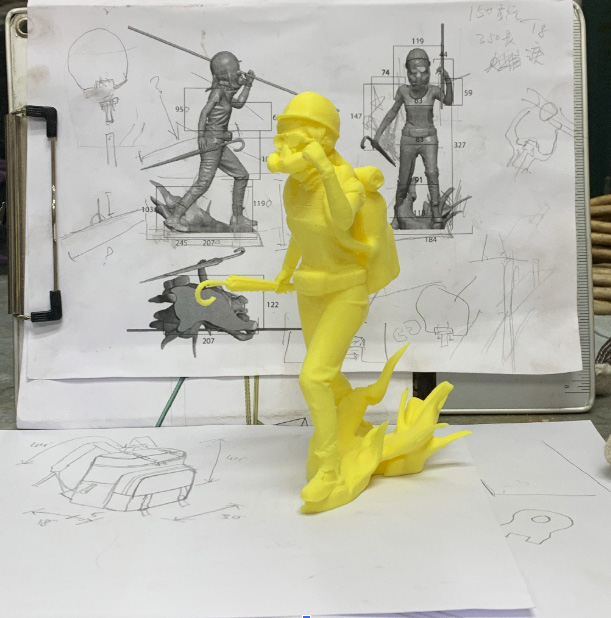
In August 2019, at the height of the anti-extradition-bill movement, an anonymous group from Hong Kong's arts and design community gathered on LIHKG — the city's Reddit-like forum — with an idea: to give the movement a figure it could rally around. They put a set of designs to an online vote, and roughly 8,000 people chose the “Goddess of Democracy” concept, modelled in part on a young woman whose eye had been ruptured by a police projectile that summer.
Built by Many Hands
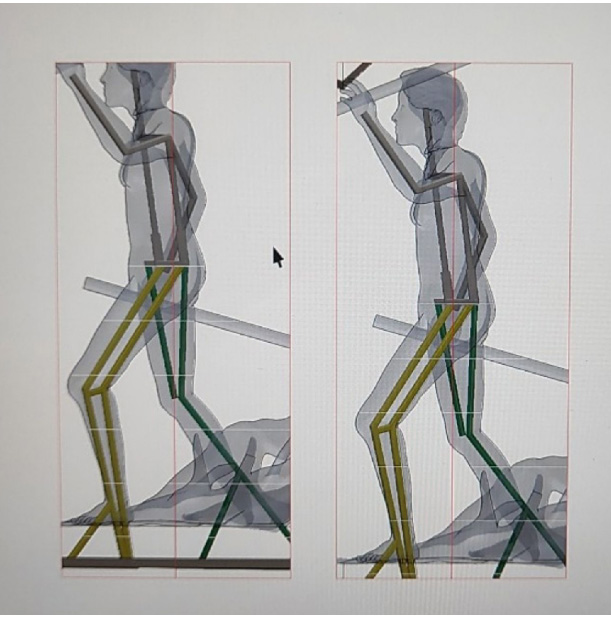
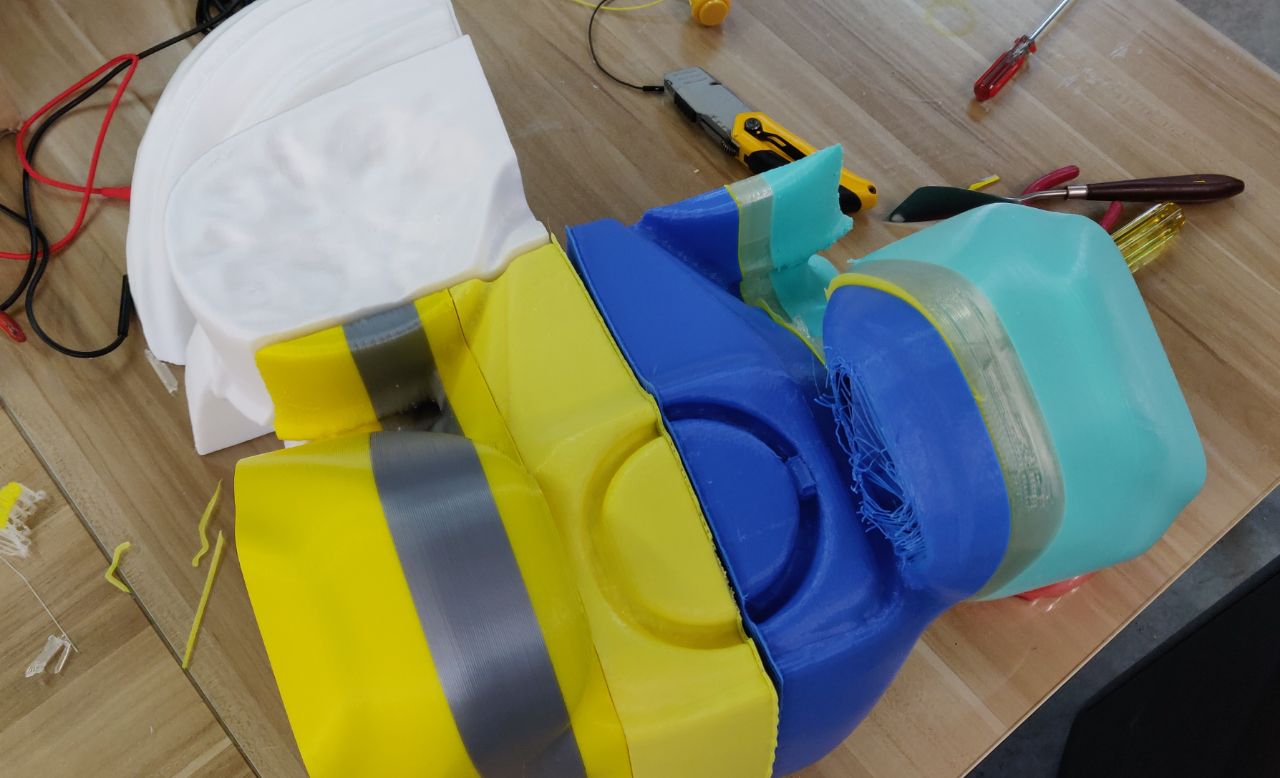
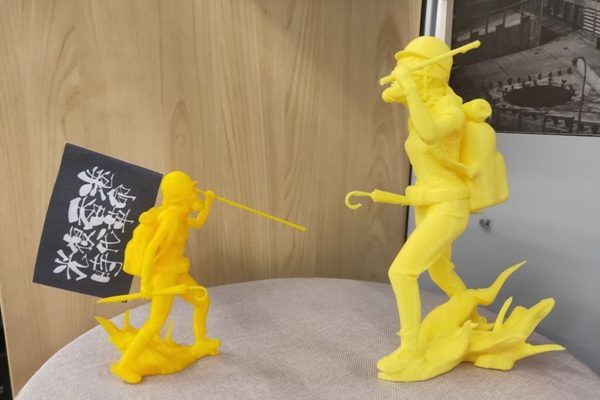
True to the movement's ethos, Lady Liberty was made by a large, distributed volunteer effort — a core group joined by separate teams for graphic design, 3D modelling and printing, metal fabrication, sculpting, and assembly, alongside the thousands who voted on the design. Standing about four metres tall and weighing some 80 kilograms, the finished figure wore a helmet, goggles, and a gas mask, with gauze over one eye; her right hand raised an umbrella, and her left held a banner reading “Free Hong Kong, Revolution Now.”
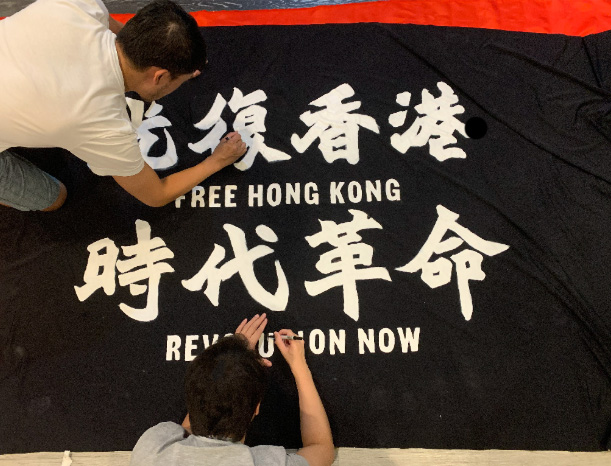
Into the Streets
Lady Liberty was first unveiled at the Chinese University of Hong Kong on 31 August 2019, shown at a rally in Chater Garden on 6 September, and carried through the mass demonstrations of that autumn — lifted above the crowds, moving through the neon of Mong Kok by night.
The statue carried through the demonstrations, autumn 2019
The Summit
At dawn on 13 October 2019, a team of 32 volunteers — 16 of them professional climbers — hauled her to the summit of Lion Rock, the mountain that gives its name to the city's spirit of resilience, intended as her “final resting place” and a symbol of renewed resolve.
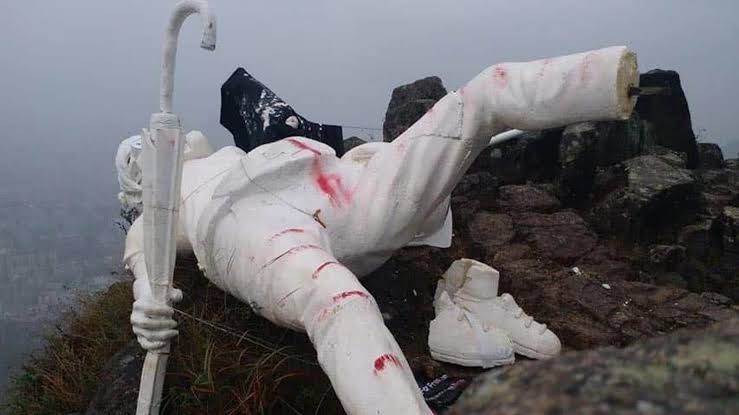
14 Oct 2019 · Toppled
She survived barely a day. On the morning of 14 October, unknown assailants defaced her with red paint, toppled her, and threw the broken pieces off the cliff. Days later, a team of volunteers recovered the shattered remains by night and carried them down the mountain.
Memory is something no one can destroy.
From Symbol to Organization
As the space for dissent in Hong Kong closed under the National Security Law, members of the movement went into exile. Those who carried the project forward re-established Lady Liberty Hong Kong as a Tokyo-based non-profit — building, from Japan, without the ready institutional ecosystem available to advocacy groups in Western capitals, and choosing instead to make their own.
In the years since, Lady Liberty Hong Kong has grown into an advocacy and cultural-preservation platform: public awareness campaigns; exhibitions across Taiwan and Japan; the Hong Kong Liberty Art Prize; digital-preservation projects such as the 3D reconstructions of the Pillar of Shame and of Lady Liberty herself; and sustained dialogue with members of the Japanese National Diet. The statue was broken, but the mission it embodied — to keep the story of Hong Kong visible, and its pursuit of liberty impossible to ignore — endures.
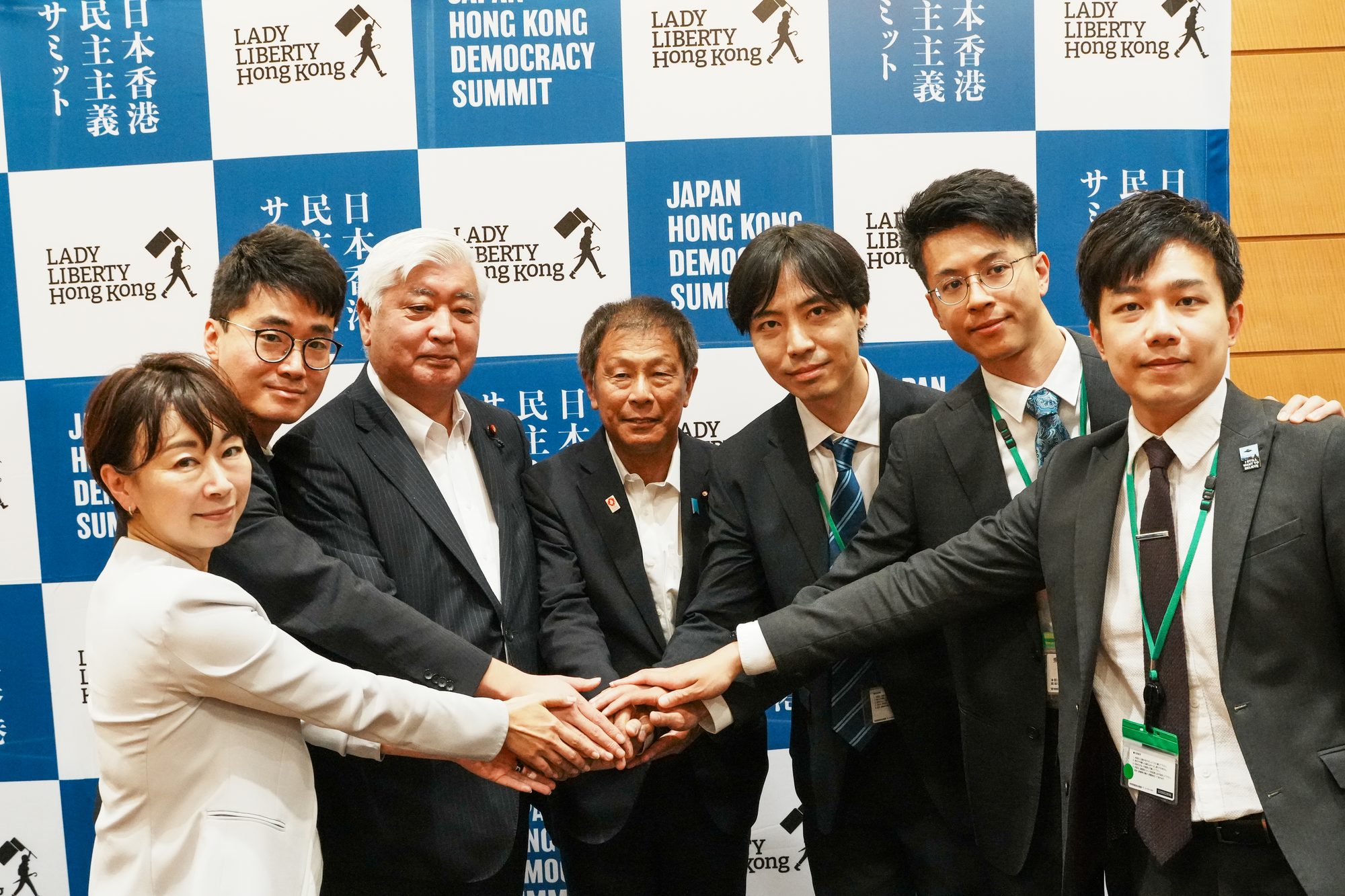
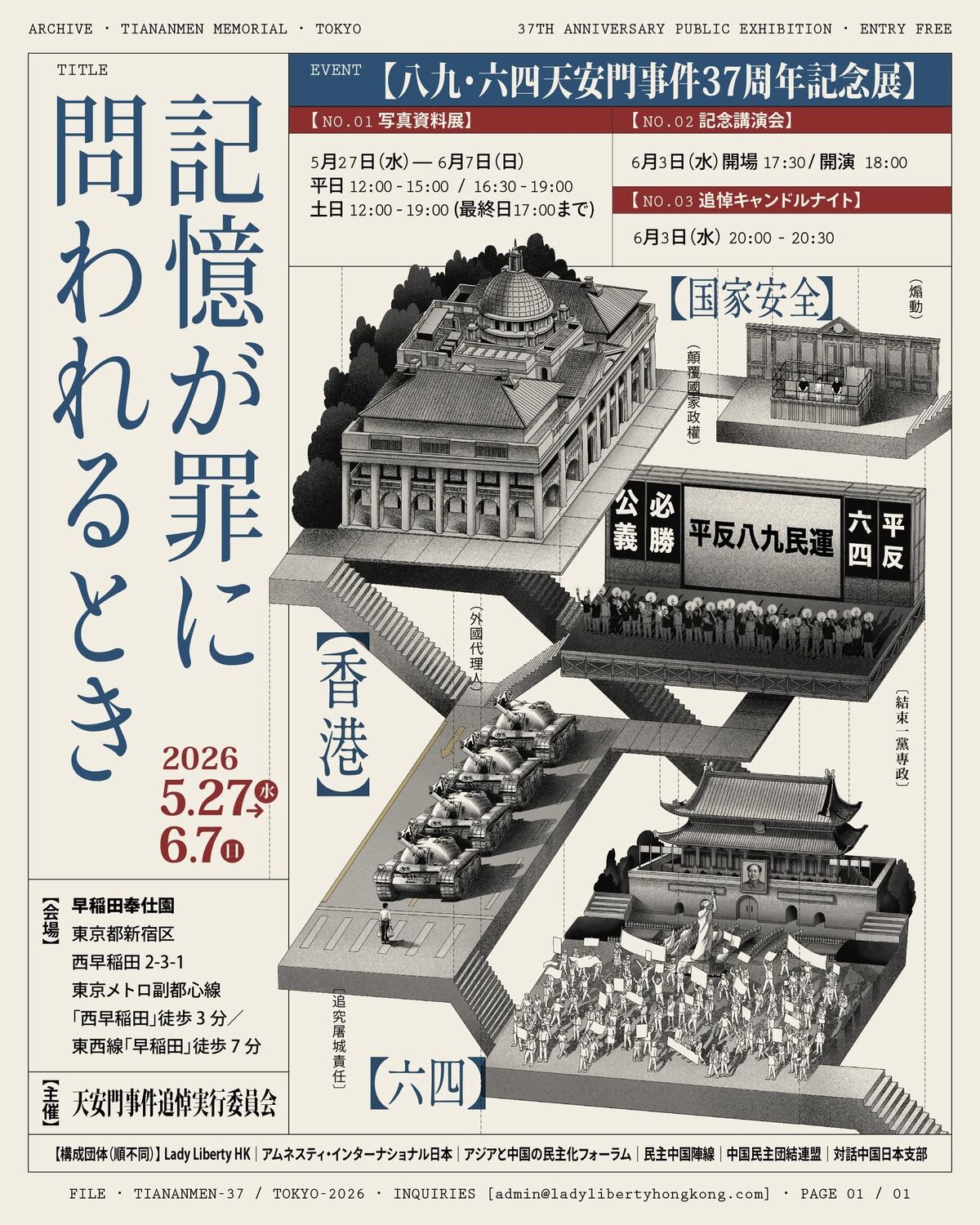
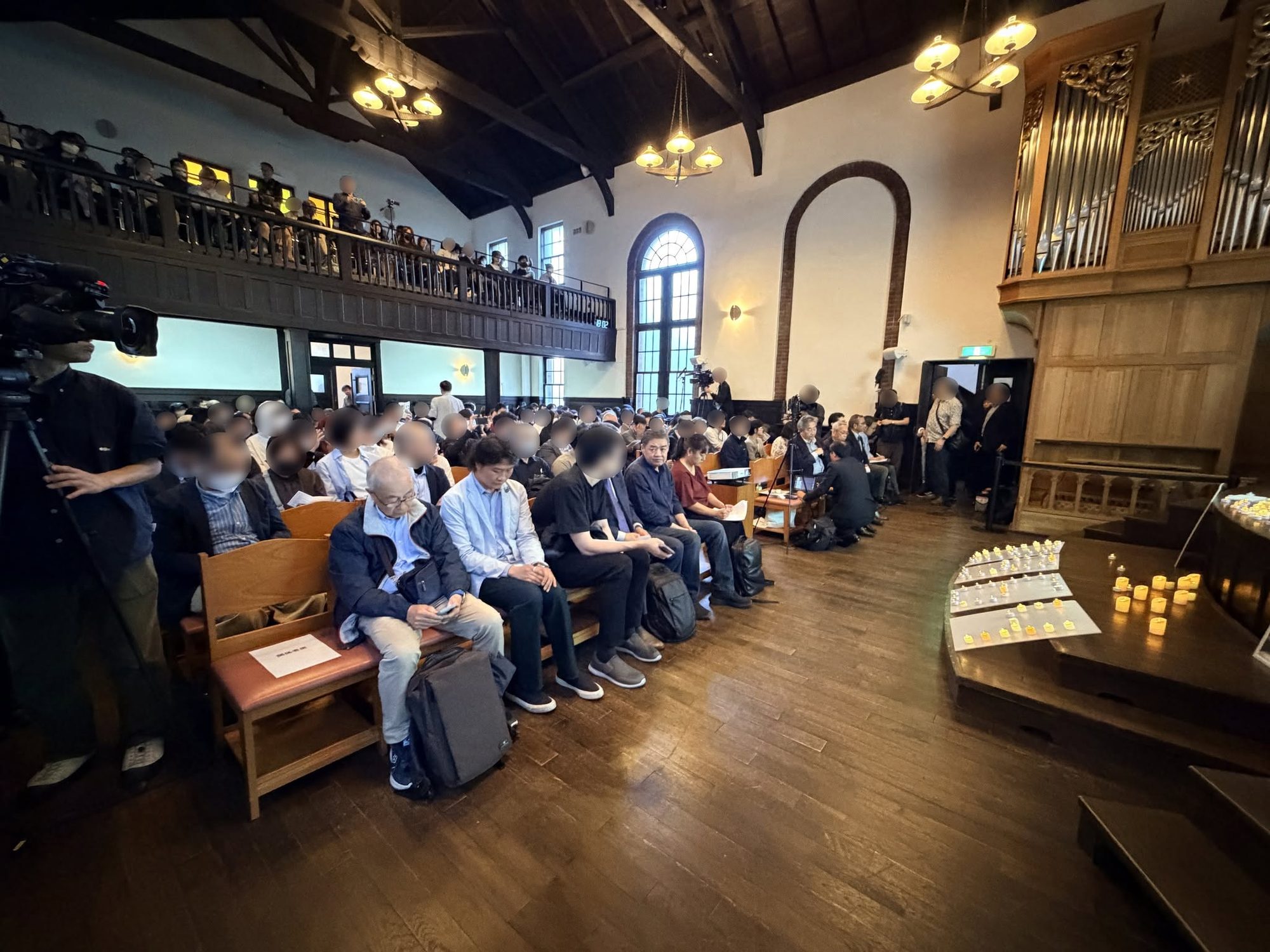
Today: the Japan–Hong Kong Democracy Summit, exhibitions in Tokyo, and the June 4 vigil
- Plan for “Lady Liberty Hong Kong” pro-democracy statue surpasses HK$200k crowdfunding goal within hours — HKFP (31 Aug 2019) ↗
- At Hong Kong Protests, Art That Imitates Life — The New York Times (11 Oct 2019) ↗
- Hong Kong’s Lady Liberty statue vandalised after being installed atop Lion Rock — HKFP (14 Oct 2019) ↗
- Mission Lady Liberty — Amnesty International Denmark (22 Nov 2019) ↗
- Lady Liberty Hong Kong — Wikipedia ↗