Lady Liberty HK Team Climbs Lion Rock in the Dead of Night to Recover the Statue's Remains
- Project
- EXH-008
- Location
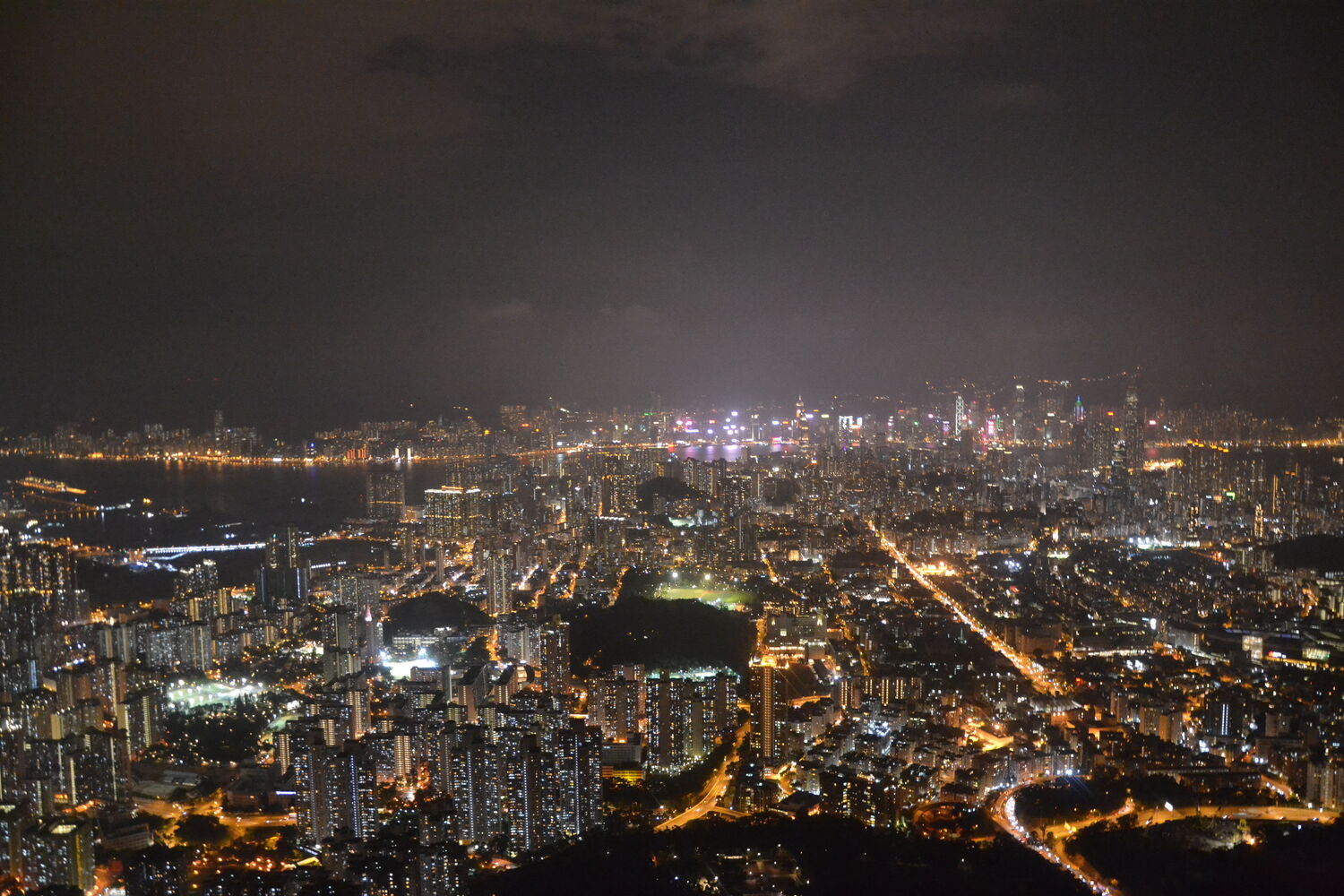
- Lion Rock, Hong Kong
- Date
- 22 November 2019
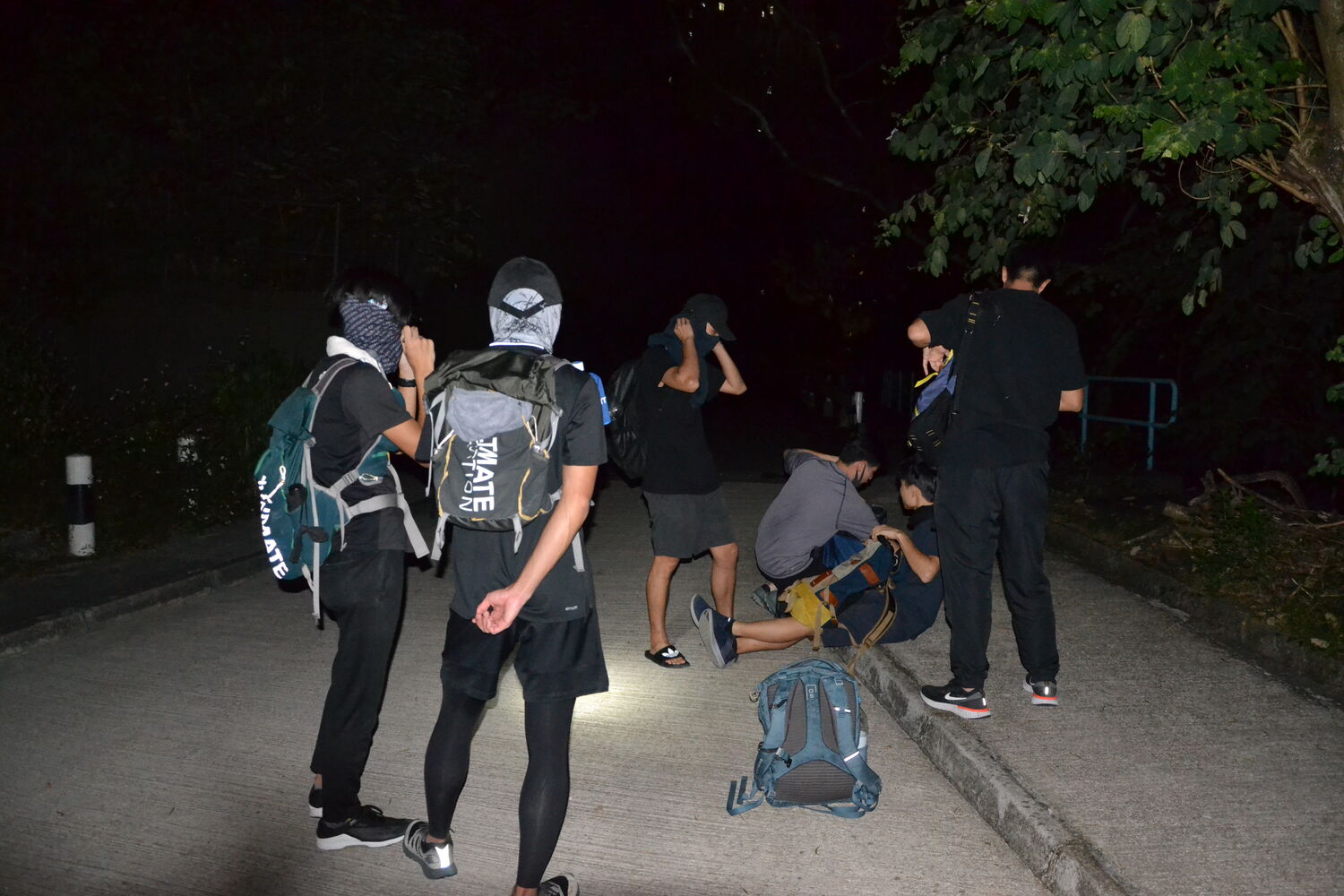
At 7:30 p.m., the first members of the team gathered at the escalators of Lok Fu MTR station. They arrived one by one — some knew each other; others had only ever communicated through Telegram, the encrypted messaging app that served as the leaderless democracy movement's primary coordination tool. They wore black fitted training pants under shorts, black t-shirts, and hiking shoes. Everyone had a mask covering their nose and mouth. They were afraid of being filmed by the surveillance cameras that had been installed throughout the city.
Each carried a small backpack filled with snacks and water. One of the men pulled out his headlamp and changed the batteries — he needed to be certain there would be light for the whole climb.
The team's destination was the summit of Lion Rock, where they would recover the remains of Lady Liberty HK.
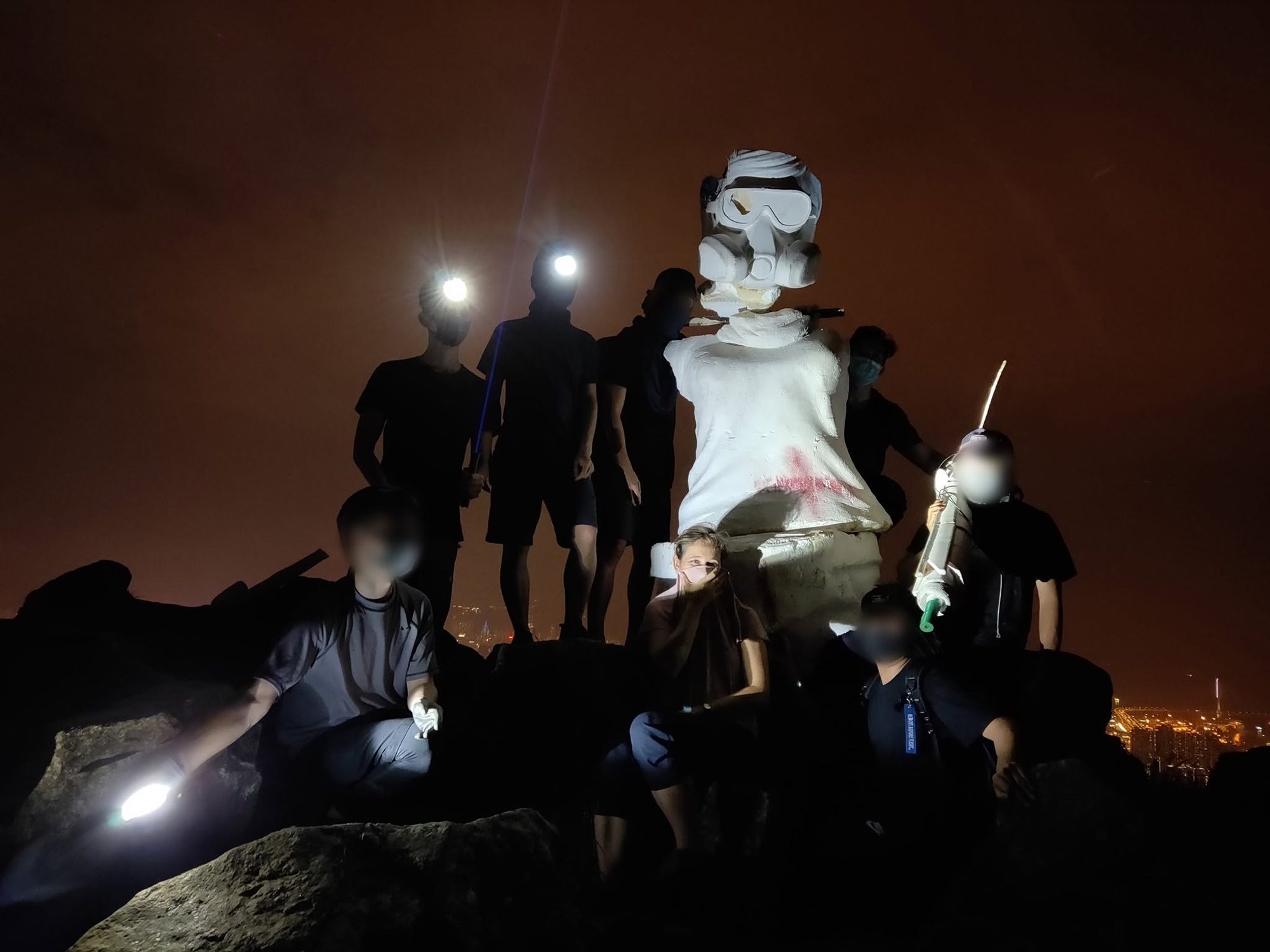
The three-metre statue of an injured protester — wearing a safety helmet, protective goggles, and a mask — had been used in several of the major mass demonstrations. In one arm she held a black flag bearing the words: Free Hong Kong, Revolution Now. She had been placed on the summit of Lion Rock so that all of Hong Kong could see her. She survived only 24 hours before opponents of the democracy movement sprayed red paint on her and pushed her off the edge.
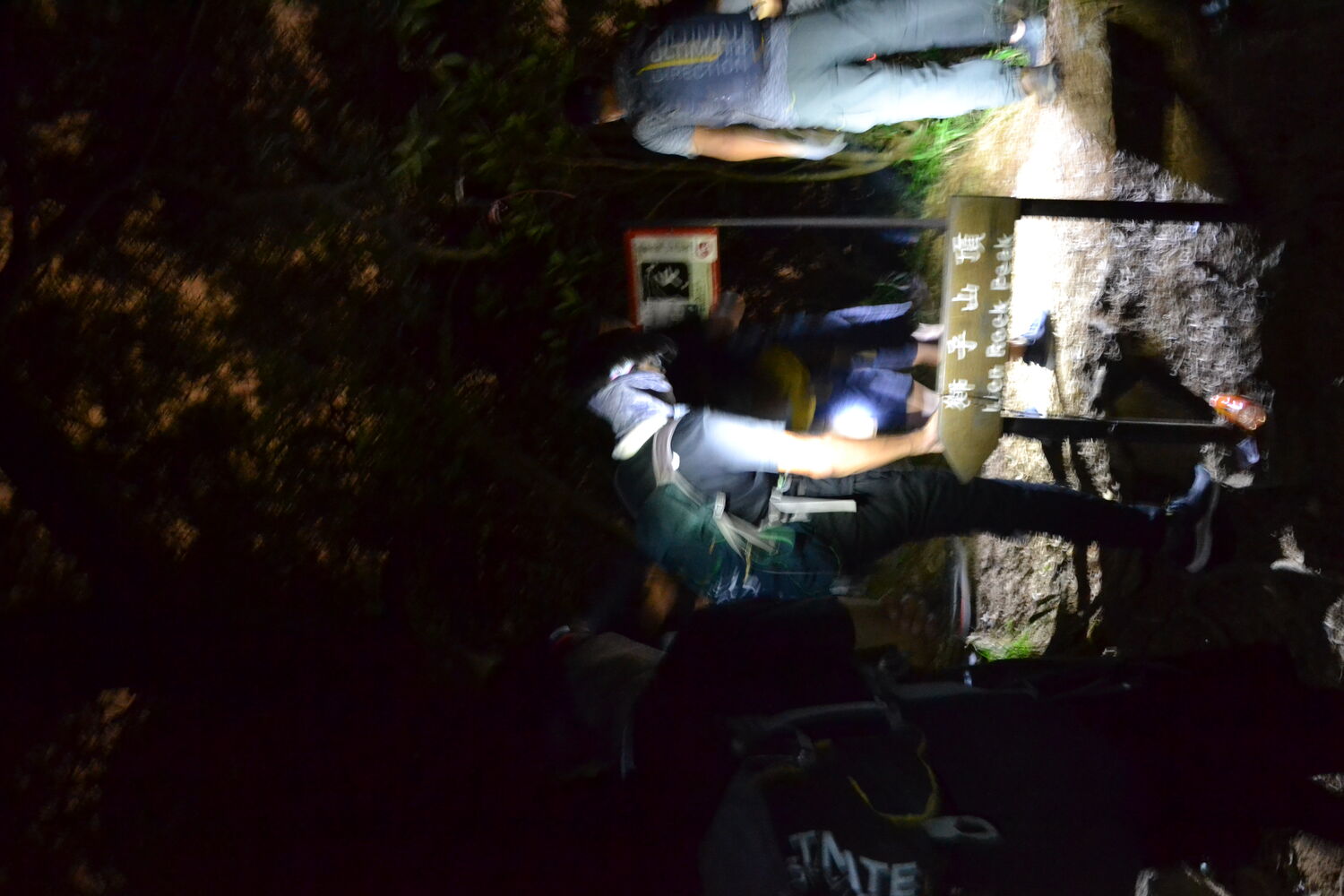
At the foot of the 500-metre mountain, more men joined the group — ten in total for the recovery mission. They laughed and talked as they moved quickly up the first flights of stairs toward the summit. The mountain was steep. Despite their fitness, sweat poured in the 25-degree evening heat. The light from headlamps showed the way through dense undergrowth, trees, and bamboo; through the thicket, the city glittered in the distance. The roar of the seven-million-person city grew quieter with every metre of altitude, replaced by the sound of cicadas.
The idea of creating a liberty statue as a symbol of the movement came from a group of art enthusiasts from varied backgrounds. One member of Lady Liberty HK's core team — a university lecturer who went by the handle "Skywalker" — explained:
"We are a group of peaceful demonstrators who wanted to create something that could keep up the courage of those standing in the front lines of the demonstrations. We wanted to show them that even though we are not standing beside them, they have our support, and we are right behind them."
Every detail of the statue was intentional. One lens of Lady Liberty's protective goggles was shattered — a reference to a female protester who was hit in the eye by police rubber bullets and became a symbol of the authorities' violent handling of demonstrators. Her mask represented the courage protesters showed when defying police tear gas. A raincoat draped over her backpack referenced a protester who had fallen from a shopping centre while wearing a yellow raincoat. And the statue's white colour was not accidental — it referenced the ten-metre white Goddess of Democracy that students had erected in Tiananmen Square in 1989, destroyed when the Chinese military cleared the square.
"The Lion Rock Spirit stands for values like being hard-working, resilient, flexible — and for taking fate into your own hands," Skywalker explained. "By choosing Lion Rock as Lady Liberty's final resting place, we wanted to breathe new life into that spirit and link it with our own resilience and hope for a better future."
The statue's fate, he believed, only made the story stronger. "The statue's fate is very similar to what demonstrators today are subjected to. They are beaten and their expressions on Lennon Walls across the city are removed. This shows that even a goddess can be attacked."
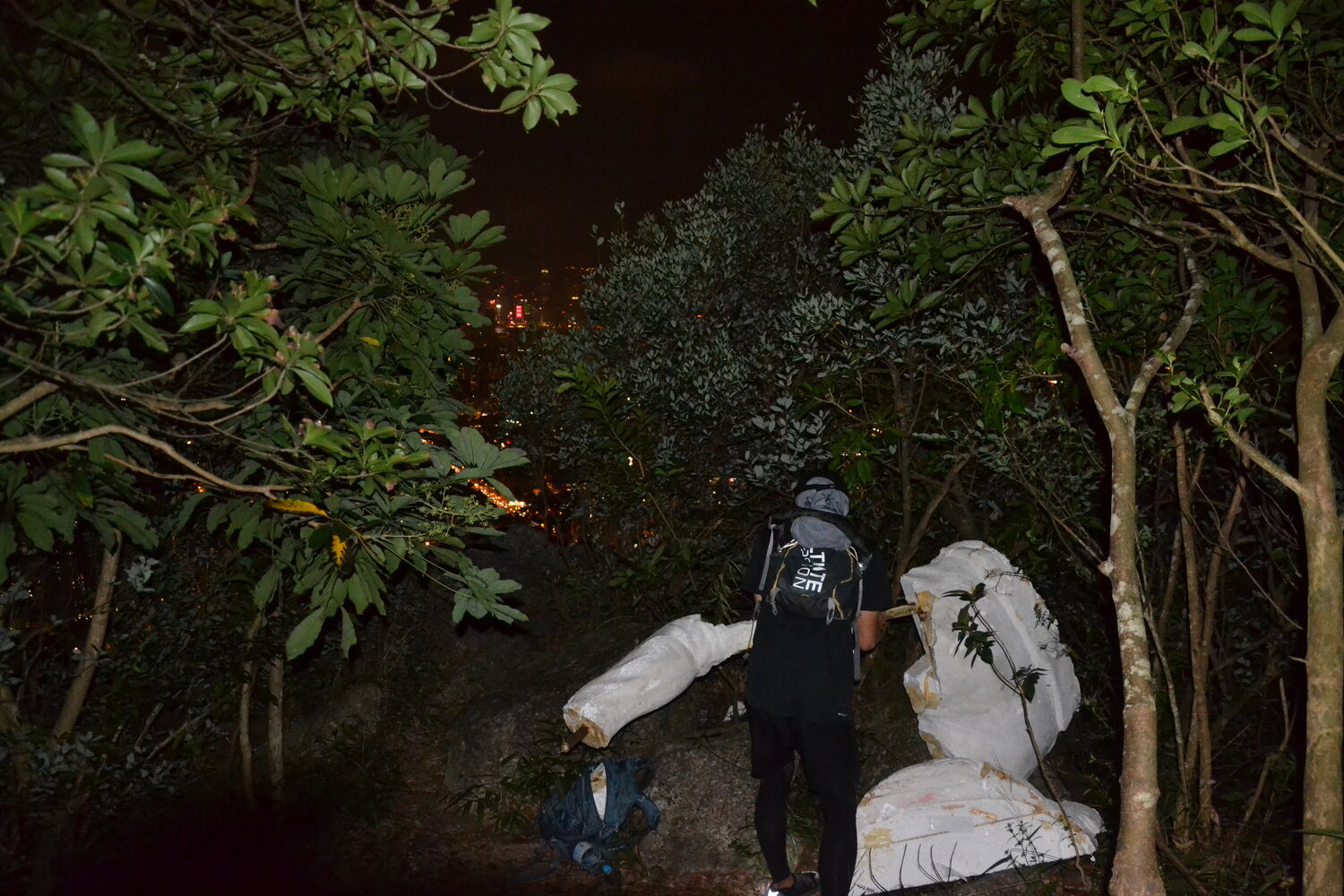
Near the summit, the team left the official path and pushed through undergrowth along a narrow ledge where only one person could walk at a time. Loose stones rolled over the edge. Branches and tree roots were gripped for balance. It was pitch dark — no one could see how far down it was.
"It's here," someone at the front called out.
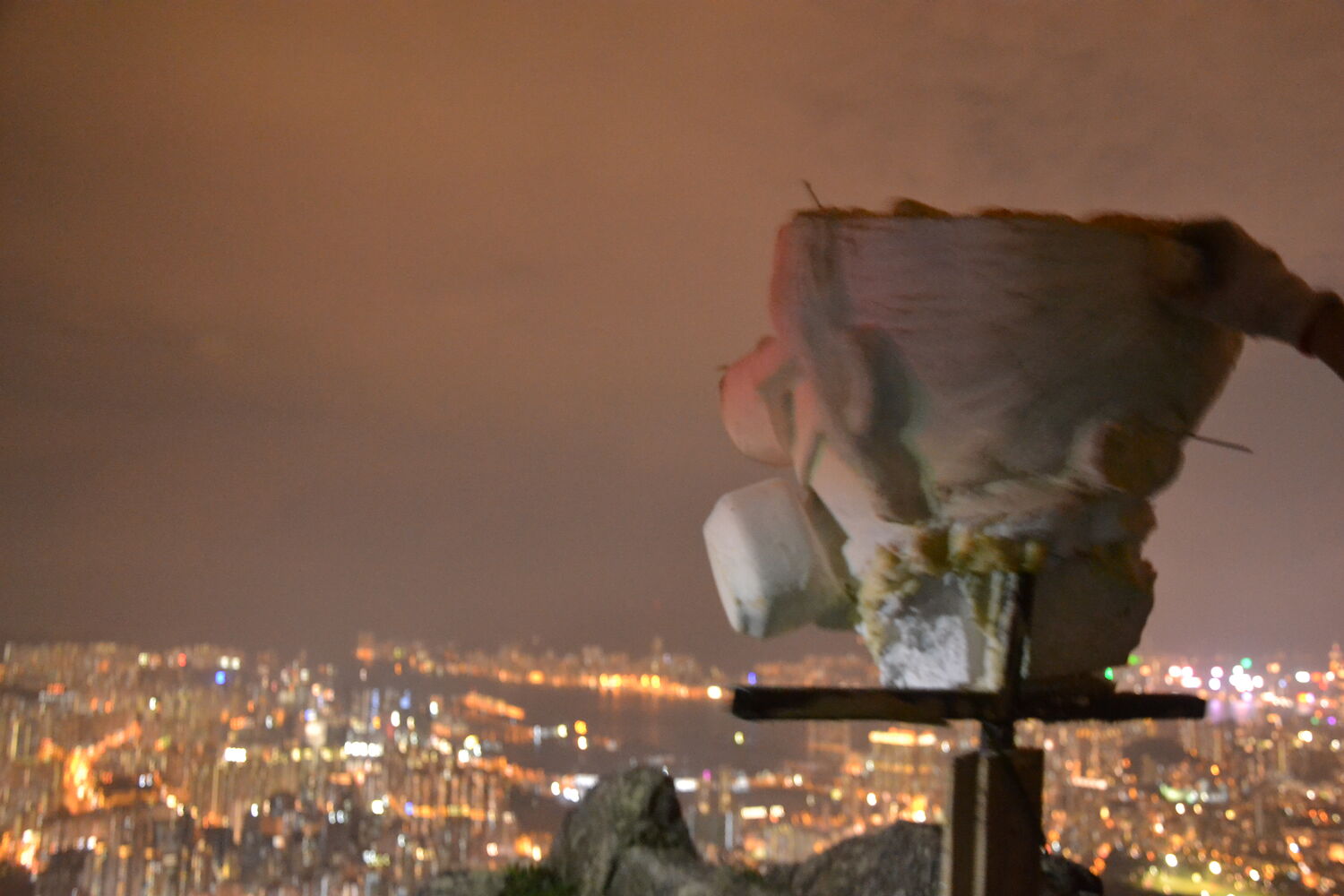
The men immediately pulled ropes from their packs. Two climbed the rock face to retrieve the remains of Lady Liberty. There was jubilation as the first piece was recovered and passed back down the line. The loudest cheer came when the statue's head — nearly intact — was brought down safely.
Before carrying the remains down from the mountain, the team brought all the pieces to the very summit and assembled Lady Liberty one last time. The victory was celebrated with chips and snacks, and photographs on their phones.
At 1:30 a.m., the team was received by Skywalker at the University of Hong Kong, where the statue's remains would be kept until they could be used in a new form — one that could continue to motivate and support the cause.
"I chose to attend tonight because I want Lady Liberty back and show that those who destroyed her cannot destroy our soul."
The entire recovery was documented by Malene Haakansson of Amnesty International Denmark. Her feature report, "Mission Lady Liberty," was published on 22 November 2019. The original article is in Danish: amnesty.dk/mission-lady-liberty