Lady Liberty HK Ascends Lion Rock
- Project
- EXH-007
- Location
- Lion Rock, Hong Kong
- Date
- 13 October 2019
- Press
- Hong Kong Free Press — In Pictures (13 Oct 2019)Hong Kong Free Press — Statue vandalised (14 Oct 2019)CNN (Style) — Political art of the protestsTIME — Protesters shift tactics (video)AFP — Protesters erect ‘Lady Liberty’ statue (video)France 24 — Protesters erect statue (13 Oct 2019)France 24 — Protesters haul statue to mountain top (14 Oct 2019)The Japan Times — Activists hoist ‘Lady Liberty’ (13 Oct 2019)Coconuts Hong Kong — Statue toppled (14 Oct 2019)South China Morning Post — Statue goes on display (video)GMA News (Philippines) — Activists hoist statueRappler (Philippines) — Protesters erect statueNaharnet (Lebanon) — Protesters erect statue (AFP)Deutsche Welle — The rise and fall of Lady Liberty (video)AFPBB News (AFP Japan) — 獅子山の頂上に「民主女神」像を設置SBS News (Korea) — 사자산에 ‘자유의 여인상’香港01 (HK01) — 港版民主女神像登獅子山香港01 (HK01) — 民主女神像放獅子山遭破壞香港01 (HK01) — 遭破壞後失蹤,被人惡意推落山Now 新聞 — 運上獅子山 (video)新唐人 (NTDTV) — 登上獅子山巔思考香港 (ThinkHK) — 民主女神像登獅子山
- Archived
- The New York Times — “At Hong Kong Protests, Art That Imitates Life” (surviving; live link not recovered)Financial Times — “Hong Kong protesters go into creative overdrive” (subscriber-only)CNBC — “Activists hoist ‘Lady Liberty’ statue above city” (Reuters wire)The Australian — “‘Lady Liberty’ erected above Hong Kong” (Reuters video, subscriber-only)Bloomberg TicToc — video report (16 Oct 2019)NowThis — video report (14 Oct 2019)RTHK — 漁護署跟進「民主女神像」搬上獅子山頂事件 (original offline)立場新聞 (Stand News) — 「香港民主女神像」登上獅子山頂 (outlet closed 2021; original offline)蘋果日報 (Apple Daily) — statue coverage (outlet closed 2021; original offline)
"Every moment felt impossible to complete."
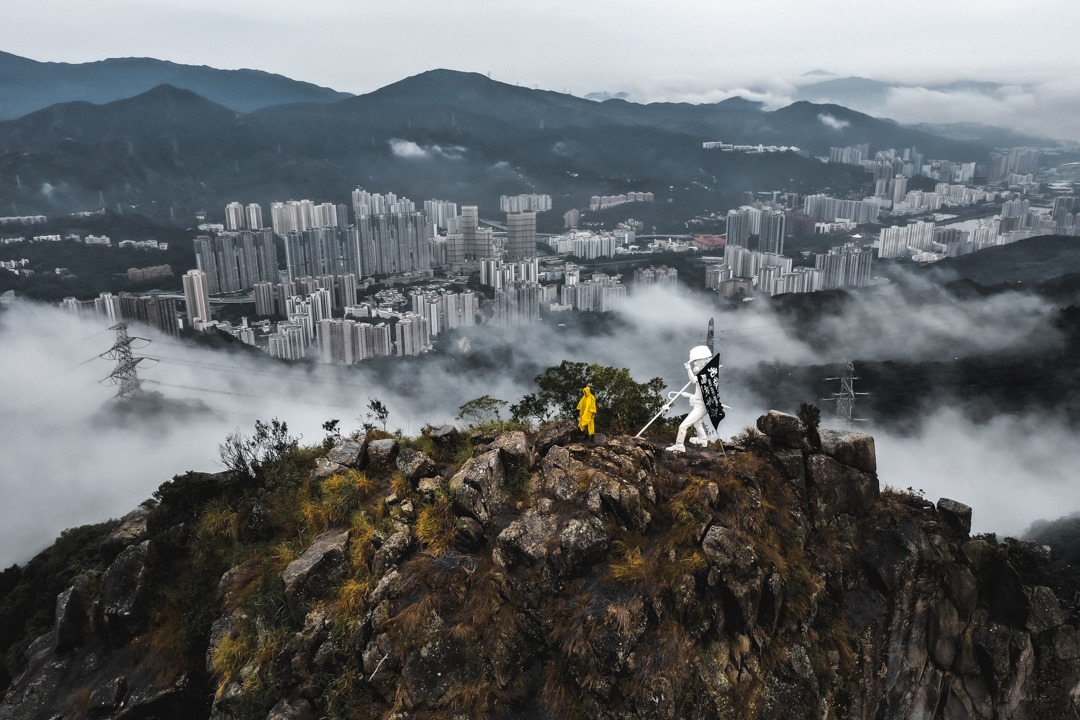
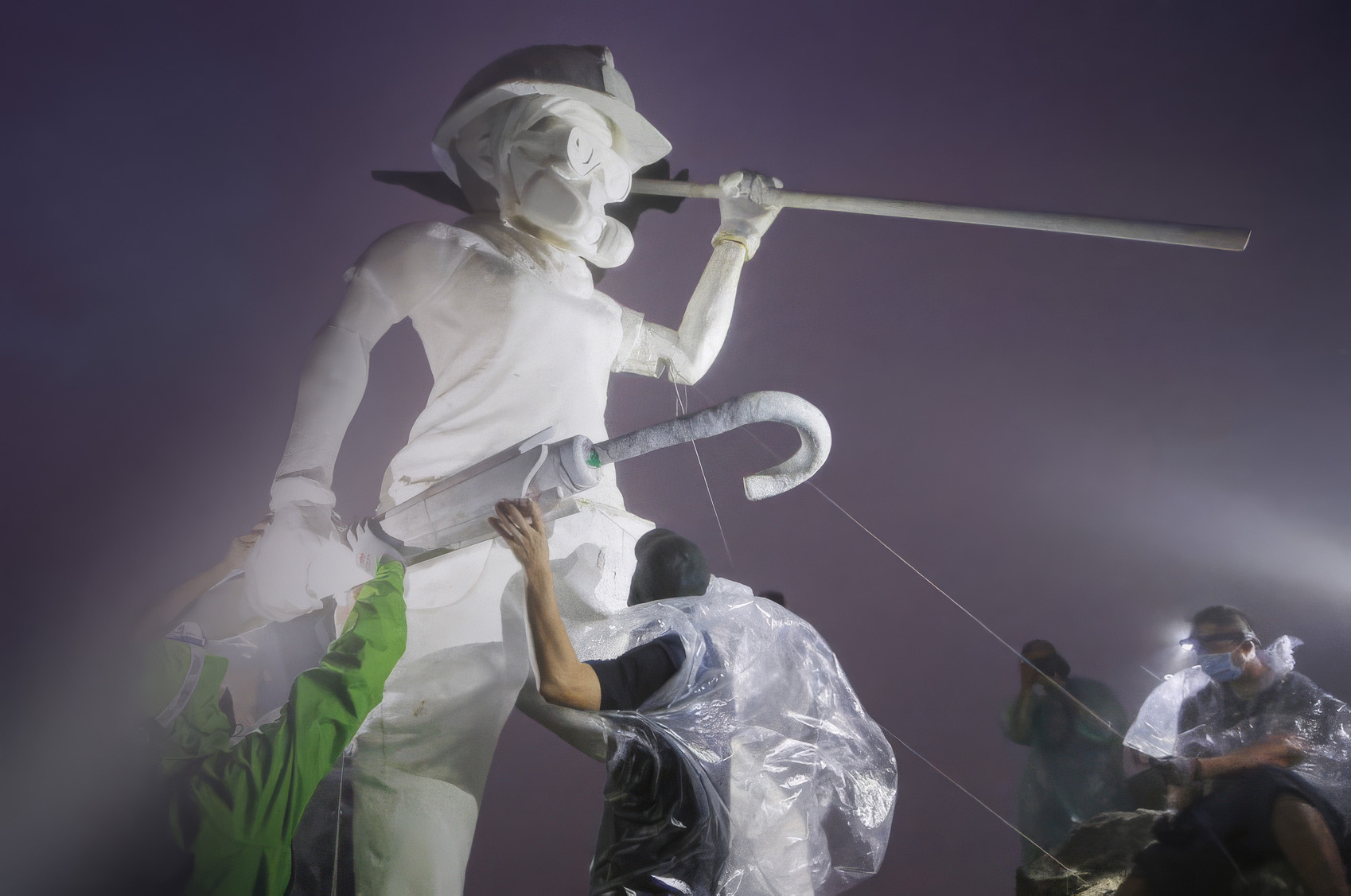
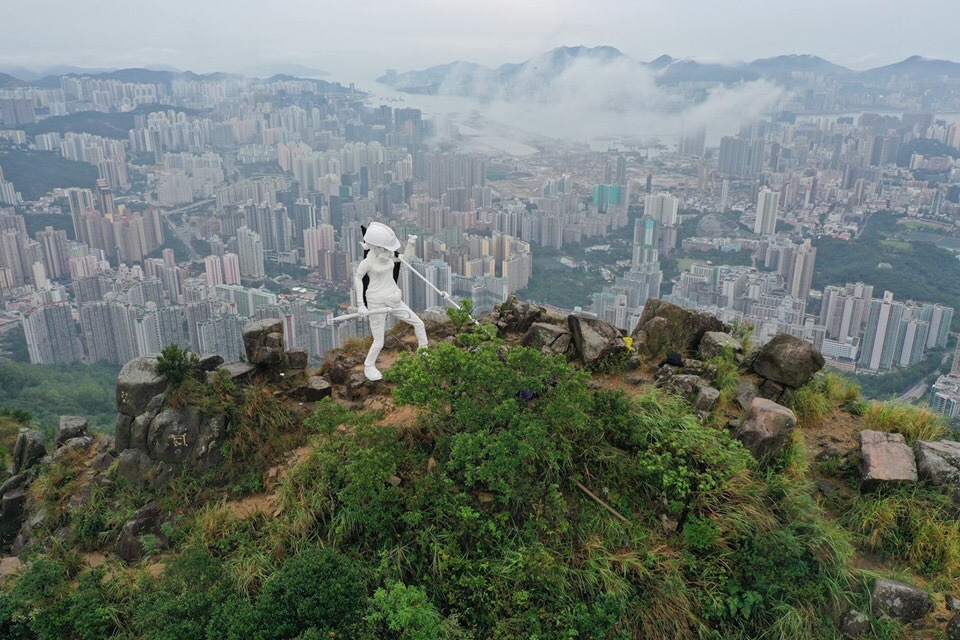
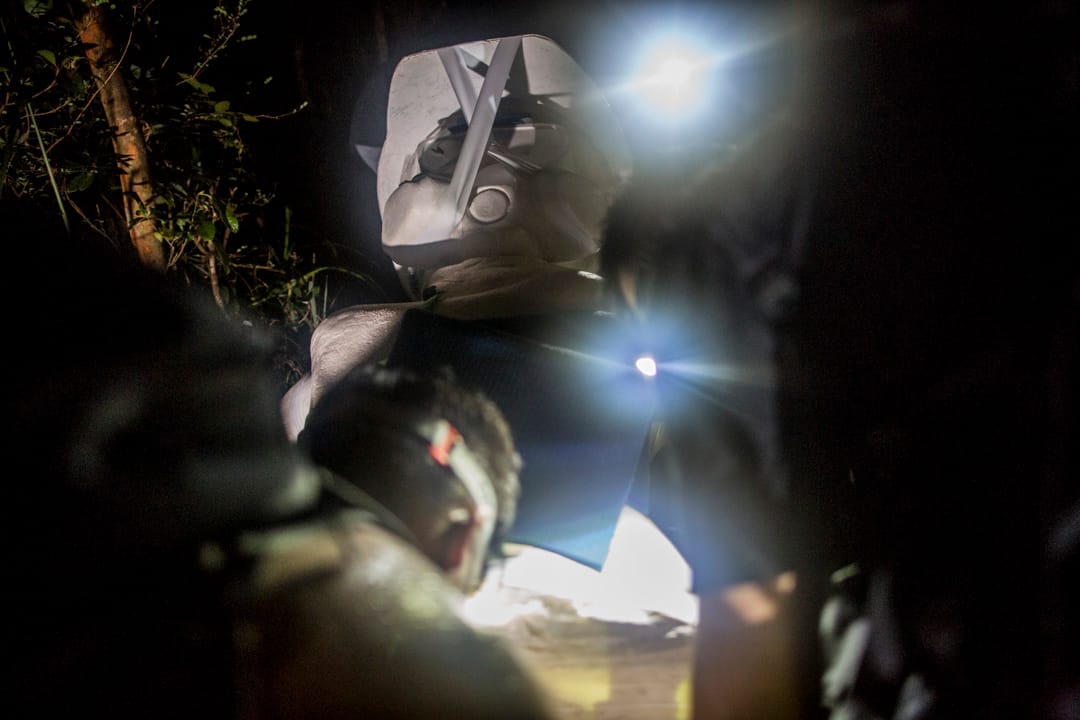
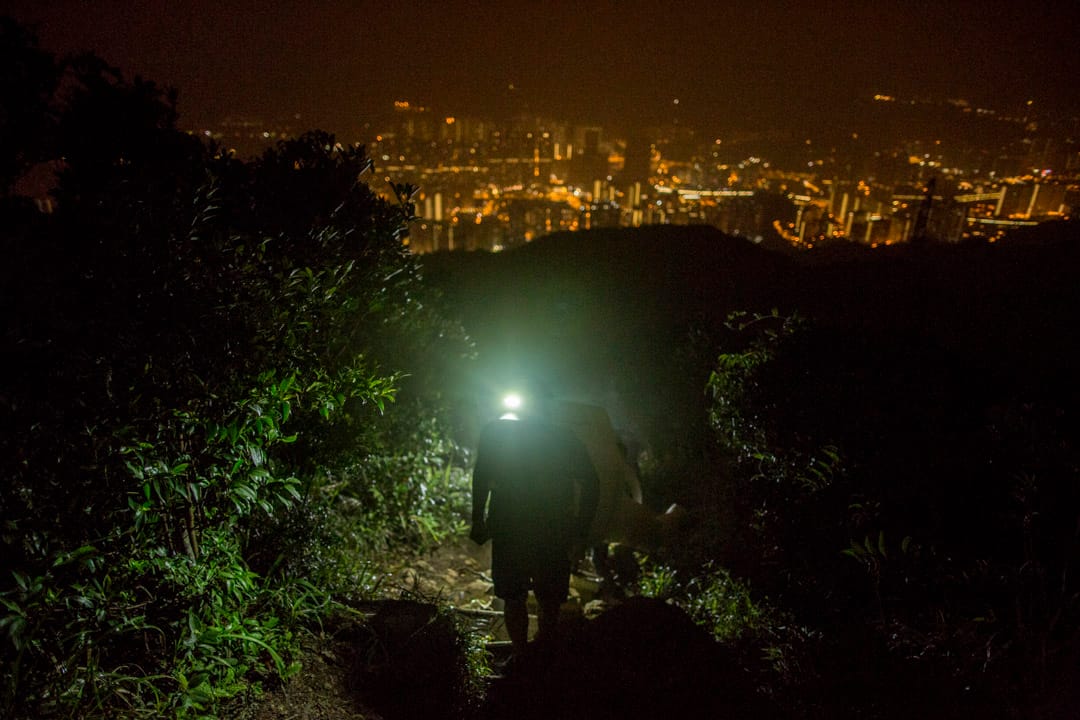
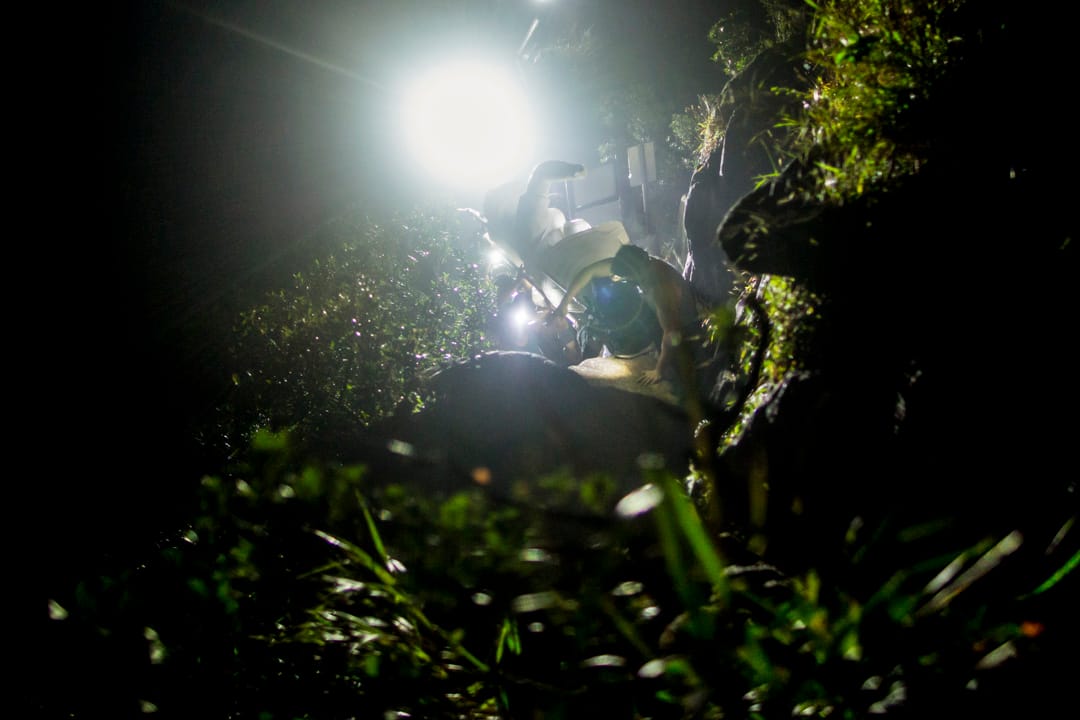
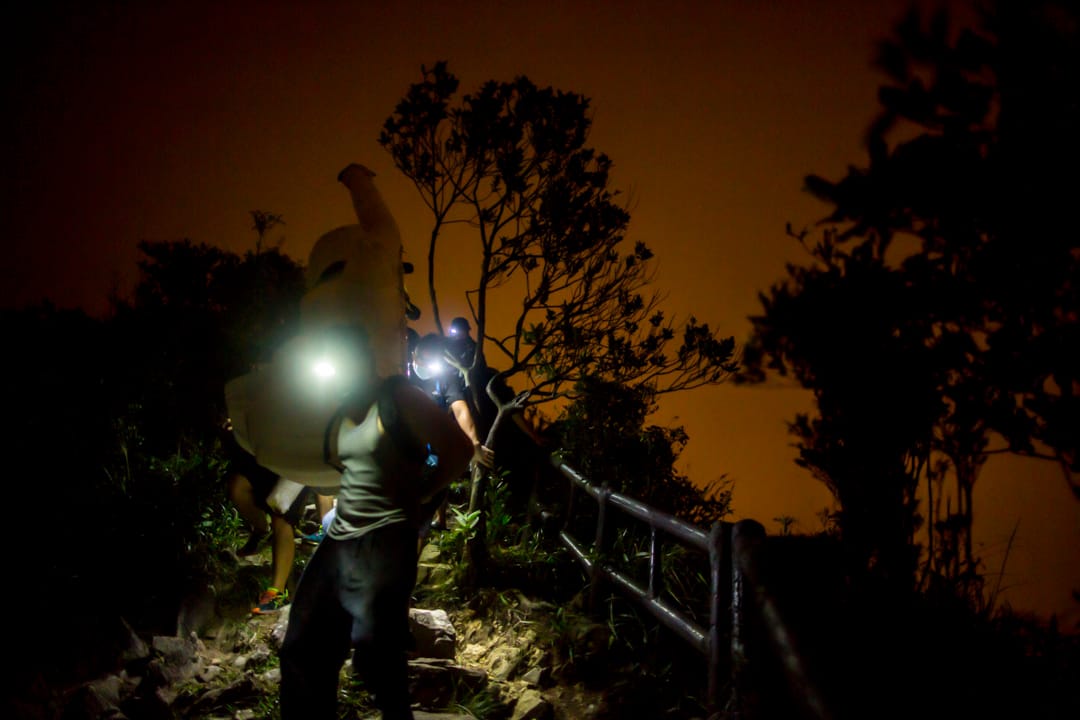
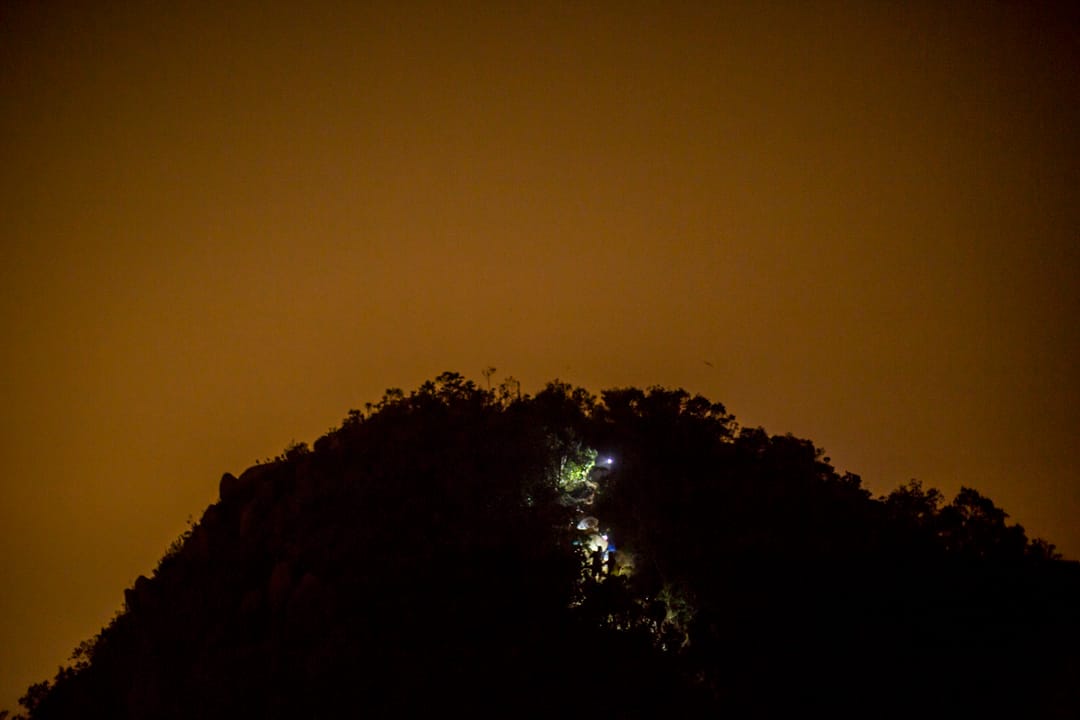
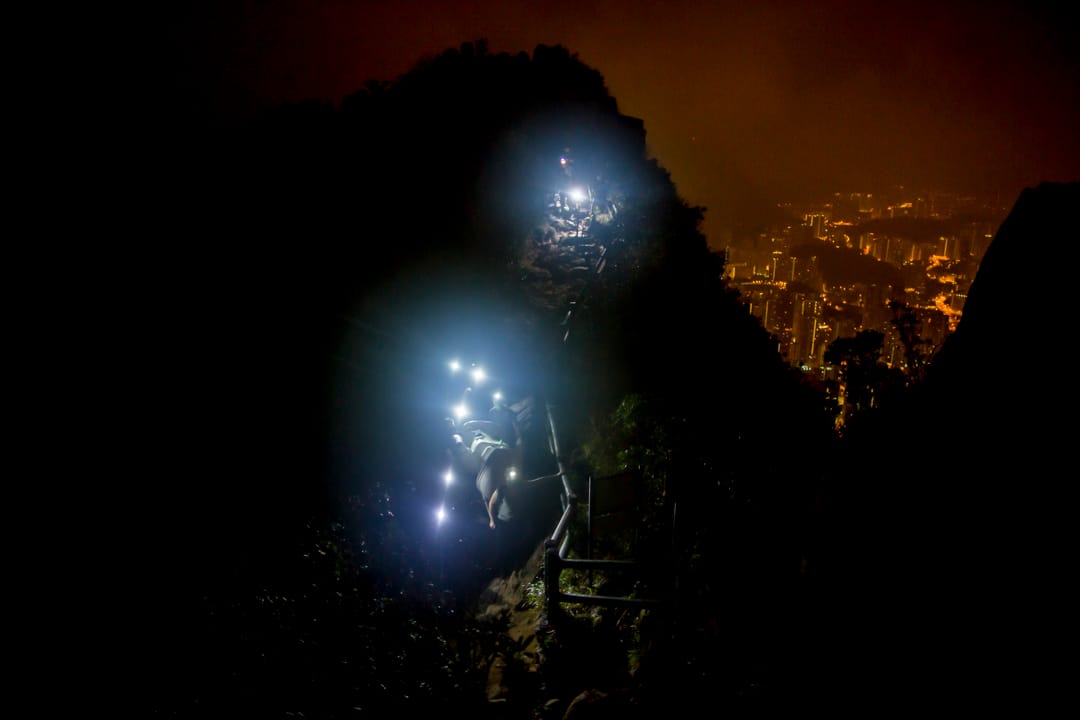
In the early hours of 13 October 2019, 26 people carried Lady Liberty HK up Lion Rock in the dark.
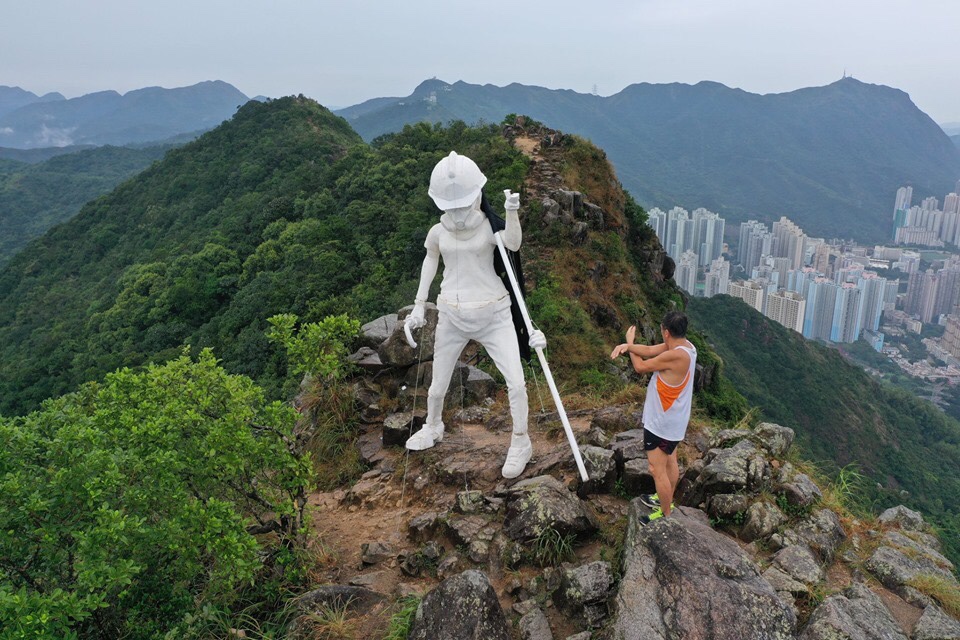
The statue weighed 80 kilograms and stood 4 metres tall. To make the climb possible, the team disassembled her into three parts — upper body, lower body, and components — and carried each piece separately up the 495-metre peak. The weather was against them from the start: thunder, lightning, and heavy rain throughout the night. They set off after midnight and reached the summit at around 5am.
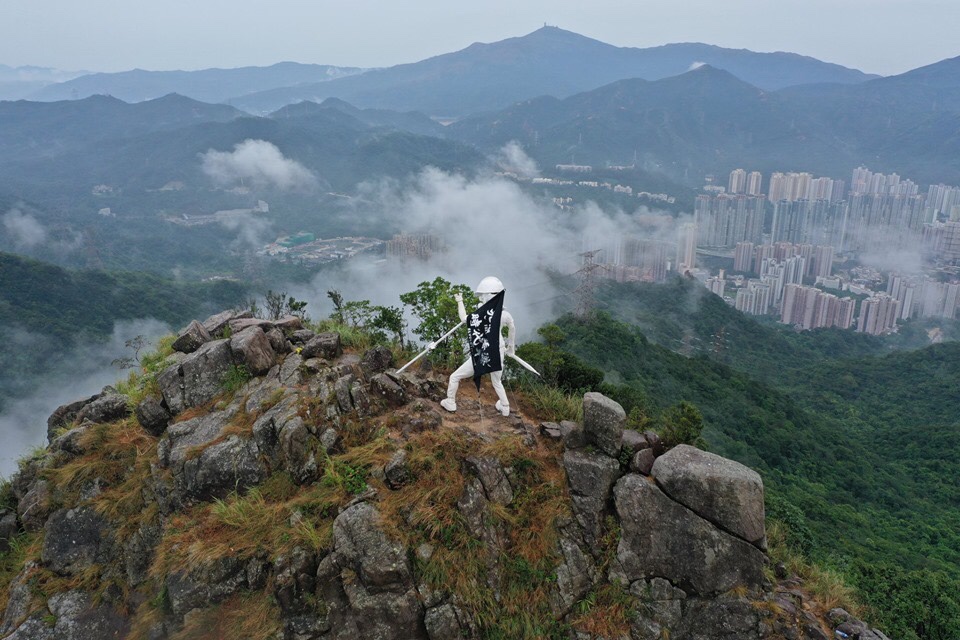
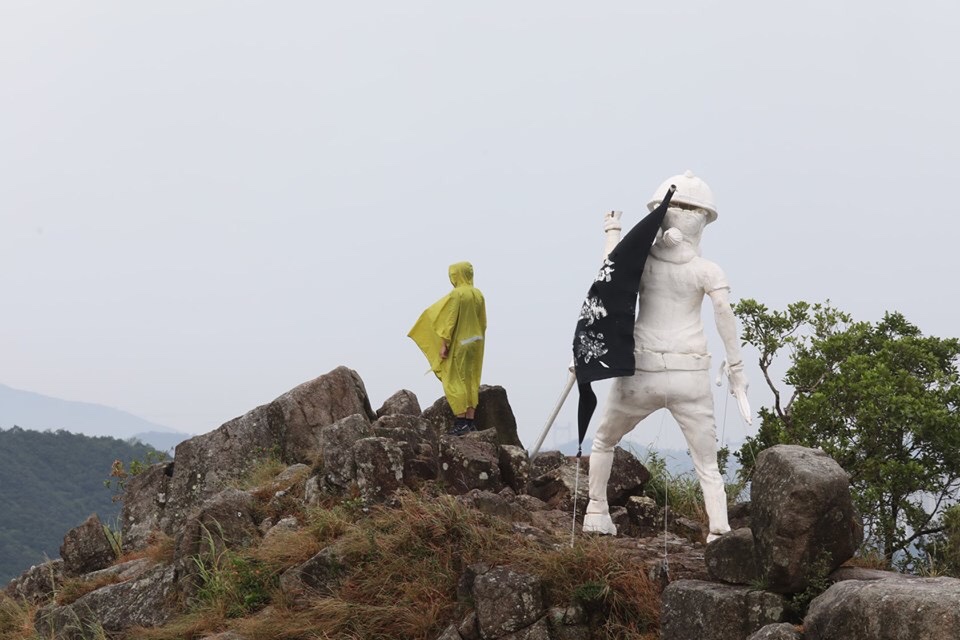
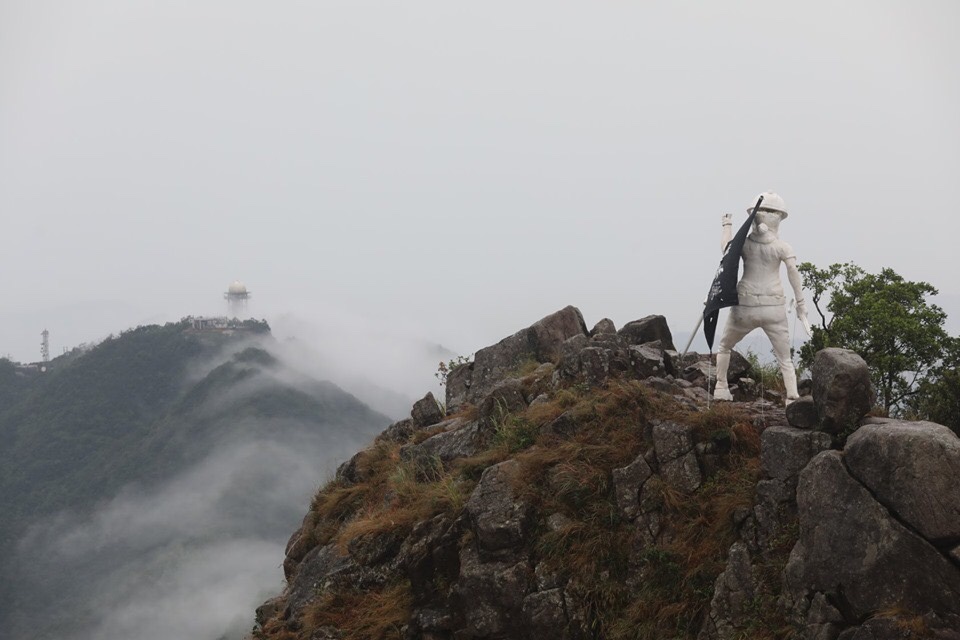
At the top, the wind was fierce. Steel cables were used to secure the statue against the gusts, but the storm still tore the helmet from her head and snapped the left arm that held the flag. The sculptor was disheartened and wanted to leave. Others insisted on continuing. The helmet was eventually restored. The left arm could not be perfectly reattached — the flag came to rest in the crook of her arm rather than held aloft. It was enough.
As dawn broke over Hong Kong, Lady Liberty HK stood on the summit of Lion Rock.
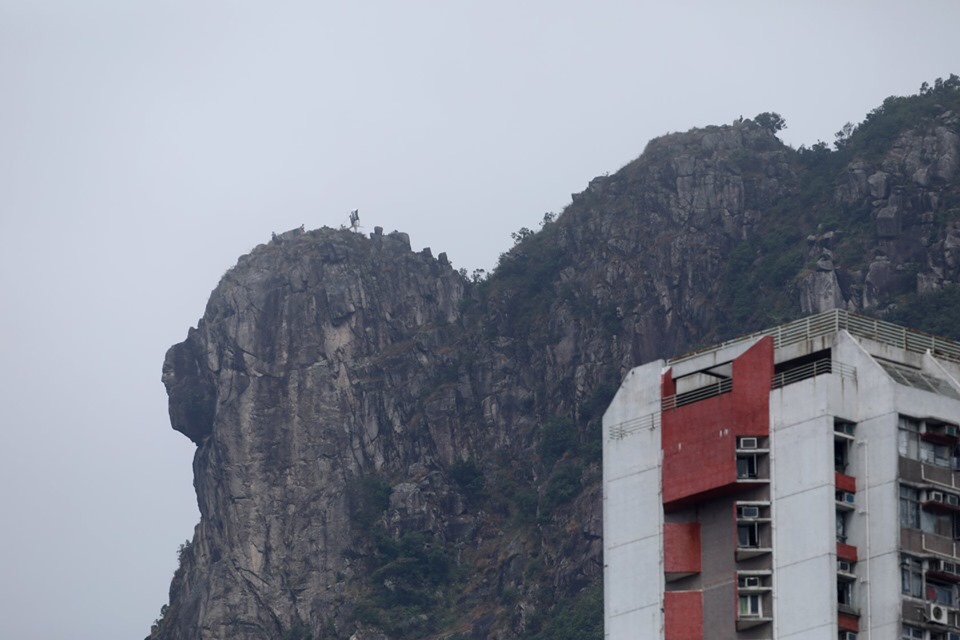
Lion Rock occupies a particular place in Hong Kong's imagination. The mountain between the New Territories and Kowloon gave its name to the "Lion Rock Spirit" — the post-war ethic of resilience and determination that generations of working-class Hongkongers had lived by. During the months of protests, that spirit had been repeatedly invoked and contested, and the mountain had become a site of action: banners hung from its face, human chains formed along its ridge. Placing Lady Liberty at its summit was not a coincidence.
We hoped the action would remind people of Hong Kong's indomitable spirit in the face of adversity, and bring the movement's focus back to its original convictions. The government had not made a single concession — and had even added fuel to the fire. We would do what we could until the last moment.
The statue was found destroyed the following morning, 14 October. She had been toppled, her legs broken, her body covered in red spray paint. The team's response was immediate and unequivocal:
"The goddess being destroyed was anticipated. The team has no plans to repair her. What the goddess looked like on Lion Rock has been witnessed by all of Hong Kong — this memory cannot be destroyed and is now a fact."