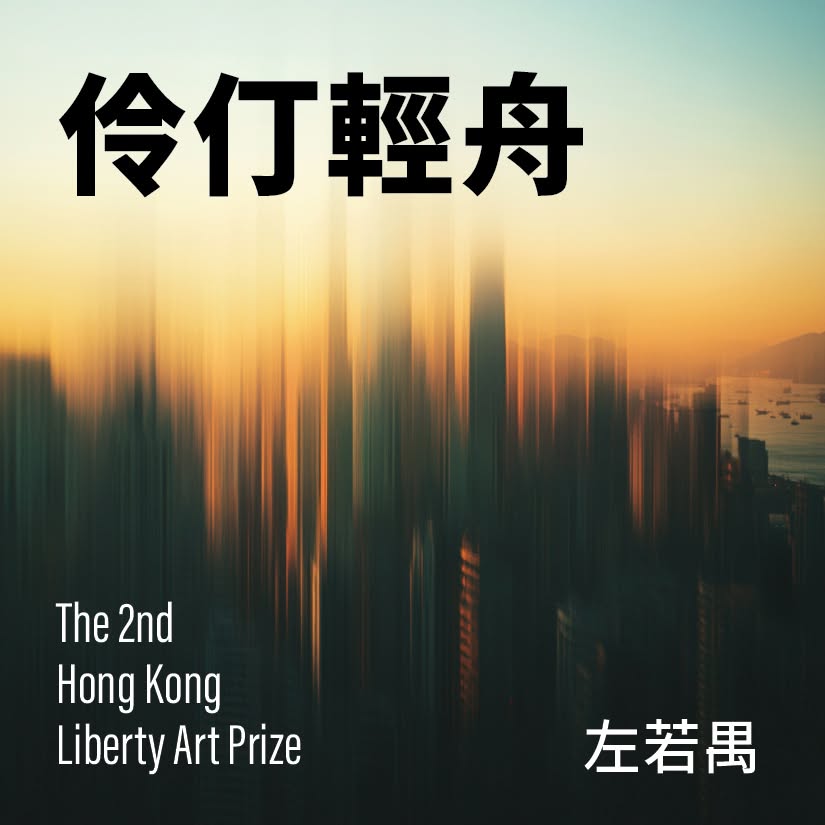
伶仃輕舟 (A Solitary Skiff)
- Artist
- 左若禺 Roy Zuo
- Artwork Title
- 伶仃輕舟 (A Solitary Skiff)
- Medium
- Short story
- Creation Year
- 2024
Description
Copyright: CC BY-NC-ND 4.0
The story is set on the Pearl River in 1856. Through the white morning mist on the water, a fisherwoman named Ah Kwan steers a small boat and unexpectedly rescues two men from the river: a Qing dynasty soldier named Li Keung, and a British sea captain. Li Keung claims he is under orders to apprehend the Englishman, who turns out to be a survivor who escaped the great fire at the Thirteen Factories.
On the boat, the two men each tell their side of what happened, and Ah Kwan must judge what is true. When Qing patrol boats draw near, Ah Kwan chooses decisively to help the Englishman escape, sailing with him toward Hong Kong. Along the way, she converses with the British captain in her limited English and reveals her identity as a Hongkonger and what she has been through.
[Note from the author: As Chinese characters are imprecise for recording Cantonese text, the author recommends reading the original with Latin script romanisation and listening to the audio recording for a fuller understanding. The Cantonese version on this page is provided for reference only.]
View original text and audio recording
Original Work (原文)
標題:lǐng dīng hīng zāu 伶仃輕舟
作者:左若禺
熱頭初升,江面一浸白蒙蒙嘅霧水。
「HELP! HELP! HELP! HELP!」
「救命吖!呢邊吖!船家,救命吖!」
忽然間,江中間好似離遠傳來有人大嗌救命嘅聲。近岸一隻花生殼轉舵,慢慢駛開去。只見江面兩個人摱住條木方兩頭,順水漂流而下。再望真d,一個留住髮辮,而另一個高鼻綠眼,居然係西洋人。兩條友好鬼狼狽,睇落得返半條人命。
隻艇 zaa4 zaa4 lam4 棹埋去,啱好截住佢地。艇上一個黑色身影,伸出一長條船槳。
「摱實啦!我掹你哋上來!」聽聲原來係個漁女。一身烏黑麻布衫同裙,一條黑繩箍實頭上竹帽。身手矯健,幾下手勢就將兩條友拖出水。
「哈~哈~唔該曬阿姑~」個本地人死猛抖緊大氣,突然大喝:「你做乜嘢!咪郁!同我捉住個紅毛鬼!」一路嗌,一路想企起身,但係冇力。
個西洋人典下典下,縮埋去船艙另一角,粒聲唔出,净係對眼掘雷錘噉望實個本地人,時不時又望個漁女。
漁女一 faak3 支船槳,hong4 喺艇中間,隔開兩個人。「你哋係咩人,因乜解究來到呢處?」
「我係大清廣東水師順德營水兵李強,尋晚奉命到十三行捉拿呢d死紅毛鬼。你同我捉住佢,駛隻艇返上省城海關碼頭,到時提督大人重賞實有你份。」
「十三行離呢度好遠水路啵? 呢度番禺,前邊就到虎門啦。」
「尋晚我哋奉水師提督同兩廣總督之命,包圍咗十三行,準備搜捕番鬼。點知突然着火,幾條街冚唪唥燒通頂。」
「哈?原來尋晚火光同煙大到番禺呢處都望到,就係十三行呀?」
「冇錯啦。當其時,撞啱呢隻鬼衝出來,我追實佢,一路走到海皮。條死鬼佬響你d鄧家艇仔度一路走一路跳。我就來捉到佢啦,點知佢跳落水,我梗係跟埋佢跳,卒之畀我攬實隻脚。屌那媽,死番鬼真係狼戾,想做瓜我,斬傷我膊頭。我都唔輸蝕,拗斷佢一隻脚。」
「等你隻死番鬼仲想走?哼,邊有得咁易!」李強語氣聽起身十分之嬲同輕蔑。
李強繼續講:「夜媽媽,水流又急,冇人救起我哋。好彩大慈大悲菩薩保佑,居然摱到條木方,我哋就噉傍住,漂足成晚。」
漁女起身行埋去個西洋人度。西洋人當堂嚇到面到青,把聲好低沉噉話,「What do you want? 做乜嘢? 我係英國人!」原來呢個西洋人曉講幾句白話。「做乜嘢!我係英國人!」反複講咗幾勻,原來净係識呢兩句。
「啱啦,你家下攞d繩扎住隻番鬼先,等領賞啦!哈哈!」李強得意大笑。「咦? 阿姑,你幾靚女,身材幾標青噉喎!」自己講,自己笑到咔咔聲。
漁女背住李強,wu3 低身,細細聲問:「Don't scare. Quiet! You leg injure?」
英國人個樣好出奇噉款,ngap6 咗下個頭,細聲答:「Yes。」
漁女只見英國人一隻脚稍爲變形,之唔係就係李強嘅傑作啦。佢企返直,話:「我冇藥,但係同你哋包紥傷口先。」佢擺好隻櫓,dang1 開 件帆,隻艇慢慢逆流而上。跟住捐入船艙,攞咗d布同麻繩,先 laa1 李強紥好,再 gung3 入船艙,紥好英國人隻脚。
李強喝話:「攞繩綁住隻鬼!」
「唔使都得啦,你慌佢曉飛咩。」
「我係朝廷官兵。你敢唔聽命令?!」
「好啦好啦,我家陣綁埋佢對手囉。」擰轉身,佢細細聲話:「Don't move. I don't hurt you.」
「你 zi4 zi1 zam4 zam4 同個紅毛鬼講乜嘢?!」李強語氣越來越惡死,似乎畀佢發覺漁女講緊英文。
「乜你咁多事幹㗎?我嗌佢咪郁咋。無論我哋講d乜,紅毛鬼都唔會明㗎啦,鷄同鴨講。紥好紥掂啦,我返去撐艇。」
李強瞓喺艇頭,英國人柄埋船艙角落頭,漁女坐喺艇尾,ngou4 下 ngou4 下,艇仔一路向住廣州駛去。一路靜鷹鷹,過咗半晝,艇已近化龍鎮。呢陣時日頭經已好猛,霧水散去,望到江邊青山同菜田,一片青綠。
李強突然彈起身,大嗌:「呢邊吖!我係水師順德營!」轉身喝話:「阿姑,即刻駛埋去大船度!」
原來江面有隻水師巡江船。船上有人郁下郁下,你慌唔係聽到叫喊聲望過來艇仔咩。
李強企喺處,望住艇尾,又咔咔笑,「今鋪仲唔家山發? 捉到隻番鬼,娶返個婆仔,全軍我至威,快活過姑爺仔。唏唏唏!」
英國人見佢突然大嗌大笑,一面惶恐。擰轉頭望向漁女,一面哀求,細聲話,「Please! Help me!」
漁女唔騷佢,手揸船槳,企起身,行入艙。英國人驚到騰騰震。
只見漁女一個箭步,一槳 baan3 落 李強條腰,打咗佢落水,同時大嗌:「RUDDER TO STARBOARD! FAST!」
英國人兩手一分,條繩就鬆開,原來之前打咗 生 lit3。掉轉艇頭,兩個人一個搖櫓,一個划槳,coet4 coet2 聲 向住下游逃走。
「有人跌咗落水吖!快救起佢!」「原來伙記來㗎!」「追隻艇吖!」「開槍!開槍!」人聲嘈雜,大船好快追緊過來。
漁女同英國人交換位置,漁女掌舵。花生殼向住側邊一條丫杈細水路駛去,左穿右插。隱隱聽到背後人聲時遠時近,足足過咗大半晝,先慢慢聽唔到追兵嘅聲。
天色漸晏,夕陽返照,江面同天空融爲一體,一片紫紅。
「為乜你幫我?Why? Why can you speak English?」
「因爲我係香港人。我知你哋唔係衰人。如果你畀佢哋捉咗去,實命都冇吖!I come from Hong Kong. They will kill you.」漁女笑笑口,又問英國人,「What happened to you?」
「I come from England. I'm a captain. Last night Canton factories were set on fire. The Chinese soldiers were rounding us up. I ran for my life as much as I could. This Chinese man chased me to the riverside. I jumped into the river. He was still after me. His arms were cut. I was lucky to catch a log in the water, and reached out for him. He grabbed my leg and tried to strangle me. That's how my joint got dislocated... 你明唔明吖?Do you understand what I'm saying?」英國船長一路講,一路做手勢,同漁女解釋成件事點發生。
「Where are we going? Please take me to British ships. You will be rewarded.」
「We going Hong Kong.」漁女微笑,「Tomorrow. Hong Kong!」
話咁快,夜色之中,花生殼經已駛過虎門、赤灣、屯門,漁女同船長共渡咗風平浪靜、有驚無險嘅一晚。
晨光再現,Victoria City 近在眼前,離遠望得到幾個數字「1857」,之咪就係慶祝西人新年嘅牌樓。漁女船長並排坐住。花生殼隨水慢慢漂流。
「Tell me, so you come from Hong Kong, but how did you end up there?」
「十幾年前,我幫一班英國人帶路之後,又幫佢地做工,所以學識少少英文。但係清國官兵留難我家人。收尾冇耐老豆就嫁咗我去番禺。過得半年,老公早死。」漁女企起身,海風吹起佢裙脚,好似船旗迎風飄揚。佢望住 Victoria City,話:「嗰陣時到家下,我都未返過來。估唔到香港變化咁大。」
「埋岸啦。返到英國人地頭,你安全啦。」
船長夾硬企起,雙手攬住漁女,問:「What's your name? 你叫咩嘢名?I won't forget you!」
「我冇名㗎,但係我中意着裙,d人都嗌我做阿群。Call me Kwan.」
後記 Afterword
Partly inspired by the legend of Ah Kwan; and the Arrow incident (亞羅號事件) and the great fire of Thirteen Factories (十三行大火) in December 1856, two historical events that happened at the start of the so called Second Opium War.
Summary (for non-speakers of Cantonese)A Hongkonger fisherwoman, a Chinese soldier and a British captain shared the same boat, after she had rescued the two men from the Pearl River after the great fire of Thirteen Factories in December 1856. She then saved the Briton from being captured by the Chinese and sailed him to Hong Kong. On the way she learnt of two differing accounts of the men's struggle. She revealed her identity before parting with the captain in Hong Kong.
Judge's Comment
This short piece is a reimagined retelling of "Kwan Tai Lou" (裙帶路), a Hong Kong founding legend. The original legend is set against the background of the First Opium War (1839–1842) — more precisely, between the arrival of British warships in Hong Kong in 1841 and the signing of the Treaty of Nanking in 1842. As the author indicates, this work is set against a later pair of related events that led to the Second Opium War: the Arrow Incident of November 1856 and the great fire at the Thirteen Factories in Canton in December 1856. The story follows a fisherwoman named Ah Kwan as she rescues a British man caught up in the Thirteen Factories disaster. The legend cannot be historically verified; from a neutral term, "Kwan Tai Lou" was weaponised after 1997 by pro-Beijing voices as an epithet to attack democrats as traitors, while the nativist movement later reclaimed it as one of the earliest Hong Kong founding myths. Working with an extremely limited word count, the author handles characterisation and plot quite well — the scene in which Ah Kwan knocks the Qing soldier into the river and escapes by boat with the Englishman is particularly vivid, and the nautical vocabulary used throughout is entirely accurate. The piece is only around three thousand characters; one cannot ask for more at that length.
One debatable political question is whether a founding myth should be subjected to reimagining. My instinct is that it should not — but if not, could this work instead be read as a continuation of the original story? Imagine a short story series rewriting the history of nineteenth-century Sino-British relations, composed of one hundred pieces in chronological order, each capturing one historical micro-fragment, with Ah Kwan as the protagonist throughout — an Ah Kwan who never ages across three centuries. What would that look like? If the author were to write such a work of historical magical fiction told from a Hongkonger's perspective, it would be fascinating, and of extraordinary value.
— Lian Yi-zheng (練乙錚)